A planner decides whether to recommend you in the first fifteen seconds of your reel and the first glance at your one-sheet. Learn how to structure a short show reel, what belongs in a promo kit, and how to make both easy to forward to the person who signs the cheque.
Read the transcript
The show reel and the promo kit.
A planner rarely books an act on their own judgement alone.
They forward your material to a client, a committee or a manager, and that person decides.
What a buyer needs to see.
Every buyer of live entertainment is asking four questions, usually without saying them aloud.
Your reel and kit should answer all four before anyone has to ask.
Structuring the show reel.
Keep the main reel between 60 and 90 seconds.
A planner will watch the first fifteen seconds and decide whether to keep watching.
The promo kit.
The promo kit is everything a planner needs to propose you without phoning you.
Keep it as a single web page with a downloadable PDF of the one-sheet, so it is always current.
Worked example: one reel, three buyers.
Corvo Illusions is a fictional close-up and stage magician based in Hamilton, used here as an illustration.
His old reel was four minutes of stage tricks set to music.
A checklist before you send anything.
The first ten seconds show a reaction, not a logo animation
Your name and act type appear in text within the first fifteen seconds
That is the lesson. The worksheet and the quiz are just below this video.
What you will be able to do
- Plan a show reel of 60 to 90 seconds that shows the act, the audience reaction and the scale
- Assemble a promo kit with a one-sheet, photos, bios, a tech rider and a booking summary
- Check that the music, footage and photos in your materials are cleared for marketing use
A planner rarely books an act on their own judgement alone. They forward your material to a client, a committee or a manager, and that person decides. Your show reel and promo kit are not for you, and they are only partly for the planner. They are for the person two emails away who has never heard of you and has a minute to spare.
What a buyer needs to see
Every buyer of live entertainment is asking four questions, usually without saying them aloud. Your reel and kit should answer all four before anyone has to ask.

- What exactly happens? Is it a 20-minute stage set, three hours of strolling, a ceremony quartet, an interactive workshop?
- Will my guests like it? The buyer needs to see real audiences reacting, ideally audiences like theirs.
- Will it work in my room? Space, sound, power, ceiling height, set-up time and noise.
- Is this person safe to hire? Professional manner, insurance, clear terms and a record of similar events.
Most performer reels answer only the first question, and many answer it with a montage of the act from the back of the room. Guests’ faces, laughter and applause do more selling than any trick, note or flip.
Structuring the show reel
Keep the main reel between 60 and 90 seconds. A planner will watch the first fifteen seconds and decide whether to keep watching. Build it in five beats.
| Seconds | Beat | What to show |
|---|---|---|
| 0 to 10 | The strongest moment | Your single best reaction shot: a room gasping, a dance floor filling, a child’s face |
| 10 to 30 | What the act is | Clear footage of the act itself, with your name and act type in a title card |
| 30 to 55 | Range of settings | Two or three event types: a wedding, a corporate gala, a festival or a trade show booth |
| 55 to 75 | Proof | One or two short spoken comments from a guest or client, with written permission |
| 75 to 90 | Close | Your name, the region you serve and your website, on screen for at least three seconds |
Then cut shorter versions from the same footage: a 30-second version for social media and a set of 10-second clips that a planner can drop into a presentation. Make a separate full-length clip of one complete routine or song for buyers who want to see an unedited set, such as a corporate team choosing a keynote entertainer.
Film at real events wherever you can. A rehearsal in an empty studio looks like a rehearsal. If you need new footage, offer a reduced rate to a venue or a charity event in exchange for permission to film, and agree in writing what you may use.
Sound matters more than performers expect. Planners often watch on a phone in an open office, so the reel must make sense with the sound off, and when the sound is on it must be clean. Musicians and DJs should use a direct feed from the desk or a separate recorder, not the camera microphone at the back of the hall. Comedians and magicians need a lapel microphone or a recorder near the stage, because a laugh that is too quiet to hear looks like silence. Spend money on audio before you spend it on a second camera.
The promo kit
The promo kit is everything a planner needs to propose you without phoning you. Keep it as a single web page with a downloadable PDF of the one-sheet, so it is always current.
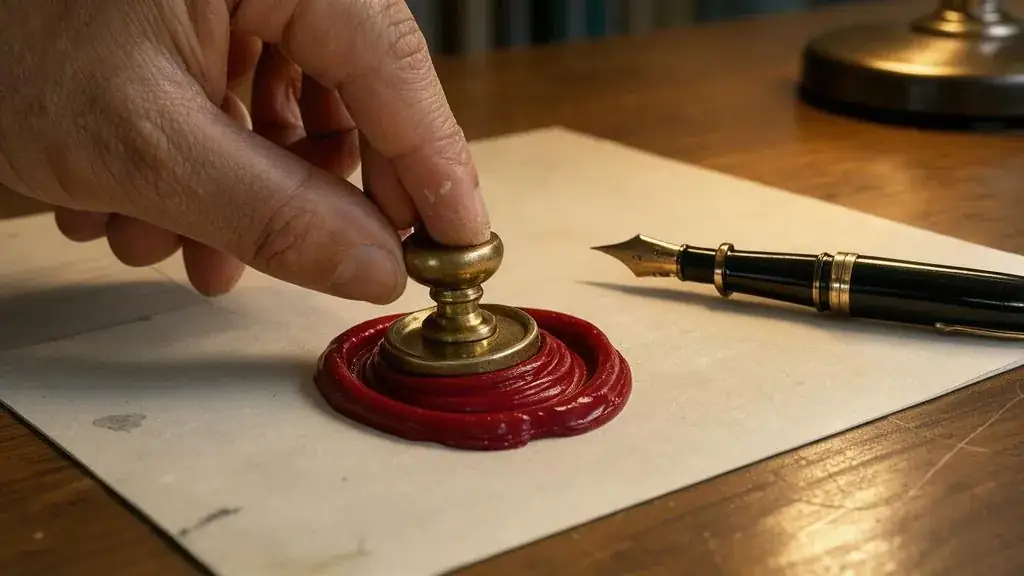
- The one-sheet. A single page with your act name, a one-line description, three bullet points on what the client gets, the event types you suit, a short quote from a client, one strong photo and your contact details.
- Photos. Six to ten high-resolution images: a headshot, two or three performance shots with audiences, a wide shot that shows scale and one portrait in costume or stage clothes. Name each file with your act name.
- Three bios. A 25-word version for a printed programme, a 75-word version for an MC’s introduction and a 150-word version for a website or press release.
- Formats and lengths. Each version of your show, with duration, number of performers and the audience size it works for.
- Technical rider. Space, power, sound, lighting, green room, parking and load-in needs, on one page.
- Booking summary. How far ahead to book, the deposit, what is included in the fee, the regions you travel to and whether you carry liability insurance.
Worked example: one reel, three buyers
Corvo Illusions is a fictional close-up and stage magician based in Hamilton, used here as an illustration. His old reel was four minutes of stage tricks set to music. Planners told him they liked it but rarely forwarded it.
He rebuilt his material around three buyers: wedding couples, corporate event planners and trade show marketers. He kept one 75-second main reel and cut three 30-second versions, each opening with the most relevant reaction. The wedding version opens with guests at a cocktail hour; the corporate version opens with a gala table; the trade show version opens with a crowd forming at a booth.
He tracked results for six months. Before the change, 40 planner emails produced 6 inquiries. After it, 40 similar emails produced 11 inquiries, and he could see from the links which version each planner opened. The numbers are illustrative, but the method is the point: the same footage, edited for the buyer, does more work.
A checklist before you send anything
- The first ten seconds show a reaction, not a logo animation
- Your name and act type appear in text within the first fifteen seconds
- The reel plays well with the sound off, with captions for any spoken words
- The link opens on a phone without a login or a download
- The one-sheet fits on one page and prints clearly in black and white
- Every photo and clip has the photographer’s or videographer’s permission for marketing use, and you know how they want to be credited
- Every song in the reel is cleared for this use, or you use original or licensed library music
- Your contact details are the same on every page and match your website
In Canada and the GTA
Who owns the photos and footage. Under the Copyright Act, the author of a work is its first owner. Since November 7, 2012, a photographer owns the copyright in photos they take even when someone else paid for them, unless a written assignment signed by the owner says otherwise. The same principle applies to a videographer’s footage. So photos a client’s photographer took of your act at a wedding belong to that photographer. Ask for written permission to use them in your promo kit, and credit them the way they ask. If you hire a photographer to shoot your act, put the licence or assignment in writing before the shoot. Moral rights, including the right to be named, cannot be assigned, but they can be waived.
Music in your reel. SOCAN represents songwriters and publishers, and Re:Sound represents performers and record companies. Their public-performance licences cover playing music at venues, not putting a recording into your own marketing video. Putting a song into a video is generally licensed separately by the rights holders, and a performance licence does not cover it. The safe options are your own original music, licensed library music, or a recording of you performing where you have cleared the underlying song. On TikTok, businesses should use the Commercial Music Library, which TikTok describes as pre-cleared for business use. Businesses may not use the general music library for commercial posts or ads.
Guests in your footage. Under PIPEDA, an image of an identifiable person is generally treated as personal information. At private events, agree with the client in your contract whether you may film and how you will use the footage. Avoid close-ups of guests who have not agreed, and take particular care with children. Corporate clients may have their own rules about filming staff or confidential spaces, so ask before the event.
Testimonials. The Canadian Code of Advertising Standards requires testimonials to reflect the genuine, reasonably current opinion of the person giving them, based on adequate experience of the service. Use quotes from real clients with their permission, keep a copy of the original message, and refresh old quotes. If a quote comes from a friend, relative or someone you gave a discount, disclose the connection.
Accessibility. Captions make your reel watchable on mute and usable by people who are deaf or hard of hearing. If your business has 50 or more employees in Ontario, the AODA requires your public website to meet WCAG 2.0 Level AA. Most performers are far below that threshold, but captions and descriptive alt text on photos are good practice and help search engines understand your page.
The GTA market. Planners in the GTA book entertainment for a wide mix of events: multi-day South Asian weddings with sangeet performances, Lunar New Year banquets, Diwali and Eid celebrations, corporate holiday parties concentrated in late November and December, summer festivals and waterfront events, and a busy spring and autumn convention season downtown. A reel that includes footage from more than one cultural setting tells planners you can read a room. If you perform in French, add a French version of your one-sheet and a clip with French patter; it opens bilingual corporate and Ottawa-area work. Refresh your reel every year or two; planners notice dated clothing, old phones in guests’ hands and venues that have since been renovated.
Pricing in your kit. If you publish a starting fee, it must include any mandatory fixed charges, such as a booking or admin fee. Only HST may be added on top. The Competition Bureau’s drip pricing guidance explains this.
This is general information, not legal advice. Check the official source or a lawyer for your own situation.
Worksheet
Download the worksheet and complete it for your own business, using Lantern & Lane as the model where it helps. Keep it with your marketing plan. It takes about 10 minutes.
Check your understanding
Related guides, venues and vendors

Day-of emergency kit checklist
Checklists
Everything in the planner's bag on event day.
Read more
Corporate and trade show bookings
Specialist Track: Marketing for Performers and Entertainers · 20 min
Corporate clients book entertainment to achieve a business goal, from thanking staff to pulling prospects into a trade show booth. Learn how…
Read more
Preferred vendor lists, referral fees and disclosure
Module 11: Referrals, Partnerships, Reviews and PR · 20 min
Preferred vendor lists, pay-to-list fees and referral commissions are common in the event industry, and each one changes what you owe the…
Read more