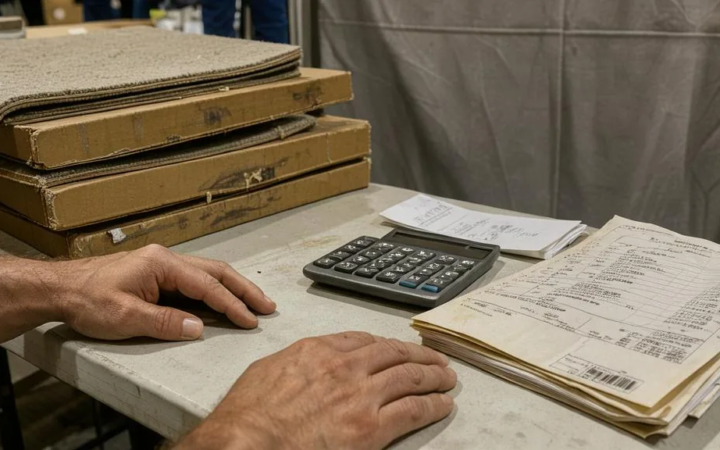
Trade show budget guide: GTA price ranges
Trade Shows & Booth Activations
What exhibiting at a Toronto trade show really costs: space, build, show services, shipping, staffing, entertainment and hospitality, with typical GTA ranges.
Read more$25,000+: guides, ideas and tools from EventPlans.ca for planning events in Toronto and the GTA.
Trade Shows & Booth Activations
What exhibiting at a Toronto trade show really costs: space, build, show services, shipping, staffing, entertainment and hospitality, with typical GTA ranges.
Read more
Conferences & Conventions
What a Toronto conference costs by category, with typical GTA ranges for venue, AV, catering, registration, production and entertainment.
Read more
Galas & Award Nights
What a Toronto gala costs by category, with typical GTA ranges and the Harbour Gala's real envelope worked line by line.
Read more
Weddings
What Toronto weddings cost in 2026 by category, with price ranges from real quotes.
Read moreAbove roughly $25,000, an event stops being a collection of purchases and becomes a small project with contracts, deadlines and several people who need to sign off. The money is no longer the hard part; coordination is. Venues at this level usually work from a food and beverage minimum rather than a flat room rental, entertainment is booked as a program rather than a single act, and production (staging, lighting, sound, screens) becomes its own line with its own supplier. Treat each of those as a separate negotiation and keep one master budget that rolls them up.
It also changes how quotes arrive. Most suppliers at this tier quote before tax and service, so a figure that looks comfortable can grow by a third once 13% HST and a service charge are applied, and in Ontario HST is charged on a mandatory service charge as well. Build every line on an all-in basis from the start. The event budget sheet has columns for HST, gratuity, actuals and variance so the gap between quoted and paid is visible early.
Patterns repeat across galas, conferences, weddings and trade shows in the GTA. Venue and catering usually remain the largest share. Production grows faster than any other category as guest counts rise, because a 300-person room needs a stage, a proper sound system and often screens so the back tables can see. Entertainment, décor and photography follow. The disciplined move at this level is a contingency held aside from day one, commonly around 8 to 10 percent, rather than whatever is left over at the end.
A larger budget usually means a longer lead time. Popular Toronto ballrooms and heritage venues book well ahead for Saturdays in June, September and December, and headline entertainment is often confirmed six months or more out. Use the timeline generator to set dated milestones, and keep a simple risk register for the items that would hurt most if they failed, such as weather, a key speaker or an alcohol permit. If you are presenting the plan to a board or sponsor, the per-guest figure from the cost per guest calculator is usually the number they ask for first.