
Private chef for in-home dinners (GTA)
Caterers, Food & Drink
Independent private-chef company cooking tasting menus, cocktail receptions and celebration dinners in your home or venue, with sourcing, service and clean-up included.
Read moreFood & Drink who work events in Toronto and the GTA. Every profile states its price range, the events it suits and what it needs from the venue: stage, ceiling height, power, rigging and set-up time. Listings owned by the founder of EventPlans.ca are marked and get no ranking preference.
Use the entertainment finder to match an act to your event, or get quotes from several at once.

September 17, 2026 · 4 min read
Magic-led event entertainment in Toronto, from a single magician to a full production with circus and specialty acts.
Read more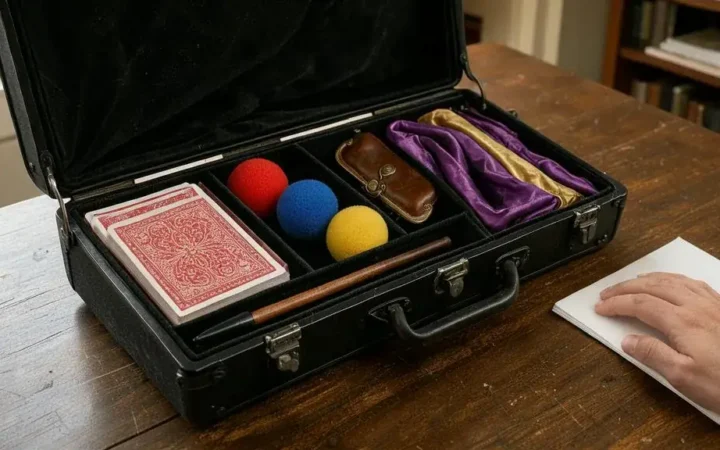
September 16, 2026 · 4 min read
A straightforward guide to hiring a magician in Toronto: choosing a format, planning timing and booking with confidence.
Read more
September 15, 2026 · 4 min read
A live Toronto magic show set to music: 15 minutes of non-stop visuals or a 30-minute interactive show with volunteers.
Read moreFood and drink vendors cover everything guests eat and drink beyond what a venue supplies itself. Full-service caterers handle meals for weddings, galas and corporate events. Private chefs cook for small groups in homes and rented spaces. Bartending services supply trained staff, while mobile bars add a bar structure and equipment. Cake and dessert makers, coffee carts and food trucks fill specific moments: dessert tables, morning sessions at a conference, or a late-night snack after the dancing.
Begin with the venue's rules. Hotels, banquet halls and many restaurants provide all food and drink in-house and may not allow outside vendors at all, or only for a wedding cake. Galleries, raw spaces, private homes and tented events are where outside vendors matter most. Then think about the moment each vendor serves. A food truck works well at a company picnic or late in a wedding; a coffee cart keeps a morning conference on schedule; a dessert table can replace a plated dessert and give guests a reason to move around.
Food trucks on public property need municipal approval, and the rules differ between cities in the GTA, so confirm them with the municipality well ahead. Outdoor summer events need a plan for keeping food cold and drinks iced. In winter, coffee carts and hot food stations are popular but need indoor space or sheltered power. Use the food and drink calculator and the bar and alcohol calculator to estimate quantities, and see caterers for full-service meal providers.