Entertainment by event type: the quick picker
A one-page table of which entertainment fits which event, with timing and what each needs from the room.
Read moreEach theme covers décor, food, entertainment, dress code and invitation wording, so you can brief every vendor from one page.
A one-page table of which entertainment fits which event, with timing and what each needs from the room.
Read more
A month-by-month planning calendar for Toronto events: what to book now, what is happening, and the weather you are planning against.
Read more
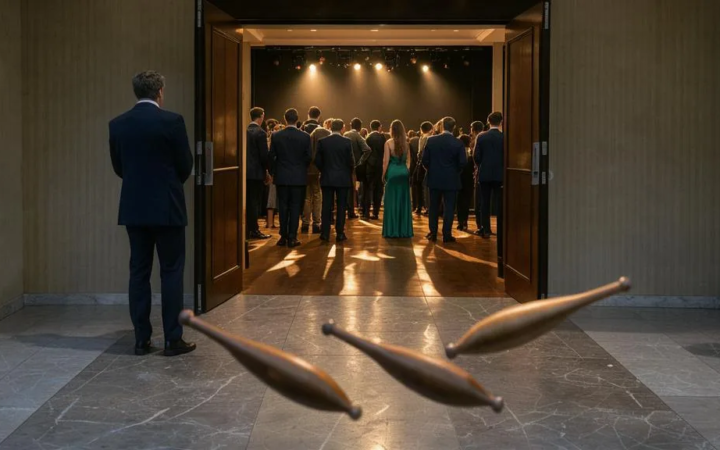
A theme built around wonder: dramatic lighting, impossible objects, a mentalist at every table and a headline illusion show. Ideal for product…
Read more
The default elegant theme for galas and milestone birthdays. Impossible to get wrong, easy to make memorable with lighting and one act.
Read more
UV light, white dress codes, LED performers and a dance floor that does the décor. The highest energy-per-dollar theme for younger corporate…
Read more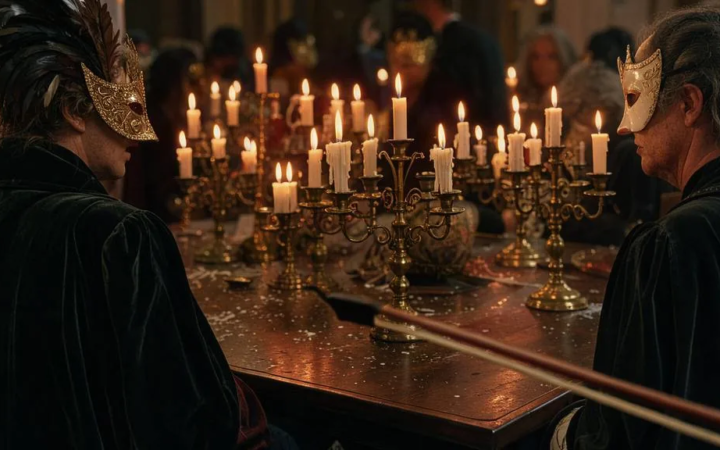
Masks, candlelight, strings and a reveal moment. Elegant, mysterious and cheap to execute well because the guests bring the décor on their…
Read more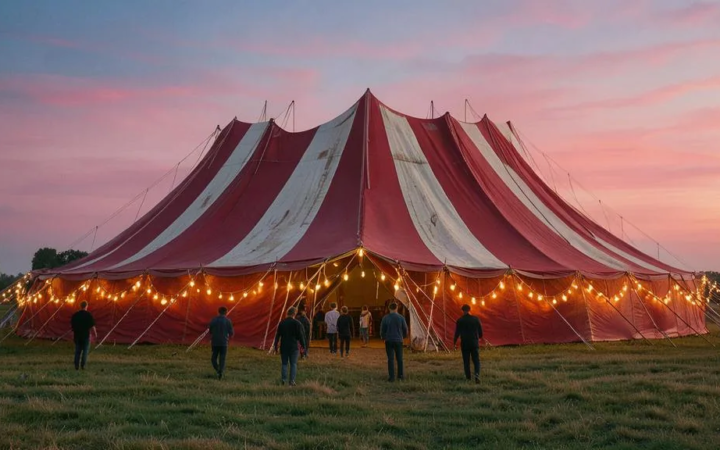
Red-and-white stripes, popcorn, a ringmaster MC and real circus acts. Works for family days, product launches and summer company picnics.
Read more
Art deco gold and black, jazz, champagne towers and a dress code people enjoy following. The most-booked corporate gala theme in the…
Read moreIdeas and Inspiration collects themes, seasonal plans and quick reference pages for events in Toronto and the GTA. Each theme page sets out the look, the food, the entertainment, the dress code and the invitation wording for one concept, so you can see whether it suits your guests before you commit. The reference pages, such as the month-by-month planning calendar and the entertainment picker, are designed to be bookmarked and returned to throughout the year.
A good theme does three things: it tells guests what to expect and what to wear, it gives your vendors a shared direction, and it creates at least one moment people photograph and talk about afterwards. Start with the guests and the room rather than the theme you like best. A masquerade suits an evening crowd comfortable with dressing up; a circus and carnival theme works across ages; a black and gold palette is hard to get wrong in almost any ballroom. If guests will need to buy something to take part, give them plenty of notice and offer an easy option.
Consider the venue too. Dark rooms with low ceilings flatter neon and glow themes; daylight spaces with high windows suit garden and summer looks. The party theme generator suggests three themes for your occasion and mood, each linked to its full page.
The GTA calendar shapes what is possible. Summer brings patios, rooftops and outdoor festivals, along with the busiest wedding weekends. December is dominated by corporate holiday parties, so popular venues and entertainers book early. January to March is the quietest period and often the best value for venues. The seasonal planning calendar lists what to book in each month and what weather to plan against.
Once a theme is chosen, move to the matching planning guide for your event type, write a creative brief for your vendors, and use the entertainment picker to check which acts suit the format and room. The theme should guide decisions rather than add cost to every line; most of the effect comes from lighting, a consistent palette and one well-chosen act.