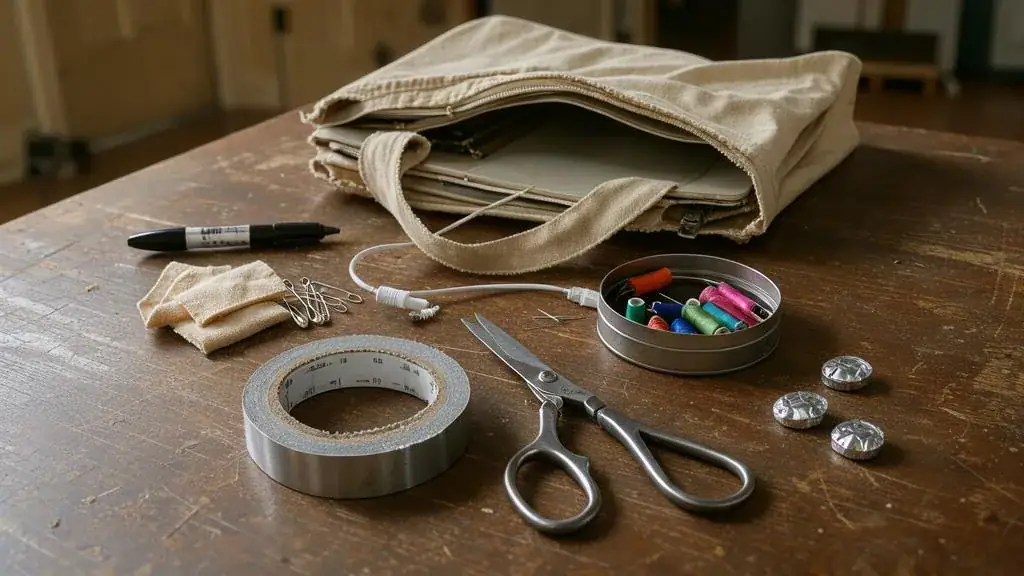
Day-of emergency kit
- Paper
- Tech
- Fix-it
- People
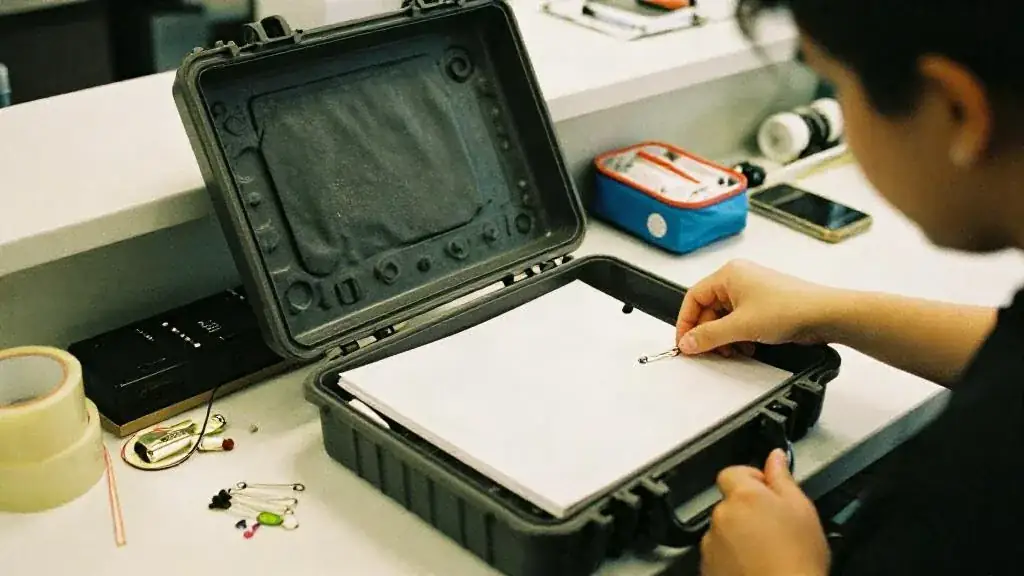
How to use the checklist
Tick items off as you pack, not as you plan to pack. The list saves your progress in this browser, so you can build the kit over a few evenings in the week before the event and see at a glance what is still missing. Pack everything into one clearly labelled bin or rolling case, and keep it with you or in a locked room you control, not in a shared back-of-house area where it can be moved.
Why each group matters
The paper section is there because phones fail. A printed run of show, contact sheet and floor plan let any member of your team answer a question without finding you. Keep the venue contract and copies of permits and certificates of insurance in the same folder; if a fire inspector, venue manager or AGCO inspector asks for the Special Occasion Permit, you should be able to produce it in seconds. The tech section covers the small failures that stop a program: a dead microphone battery, a missing cable, a power bar too short to reach the stage.
The fix-it section handles wardrobe and minor injuries. A first aid kit is not a substitute for knowing where the venue's own kit and nearest defibrillator are, so ask during the walk-through. The people section is easy to overlook. Planners who do not eat or drink for ten hours make worse decisions in the last two.
Adapting it to your event
- Outdoor events: add sunscreen, rain ponchos, tent weights, a tarp and zip-lock bags for paperwork.
- Weddings: add a spare copy of vows, a small steamer, tissues and the marriage licence if you are holding it.
- Kids' parties: add allergy information for each child, wet wipes and a spare set of favours.
- Winter events: add salt or grit for an entrance, a coat rack plan and spare hand warmers for outdoor staff.
When to build it
Start the kit as soon as the run of show and vendor contact sheet are final, usually the week before. Restock immediately after each event so the bin is ready for the next one. The Academy lesson on the day-of kit and the first hour explains how experienced planners use the first hour on site.
Related guides, venues and vendors
Venue tour checklist: 25 questions
Checklists
Bring this to every site visit. Capacity, curfew, power, rigging, parking and the questions venues hope you forget.
Read more
Run of show template
Templates
A minute-by-minute run of show with cues for AV, MC, performers and catering.
Read more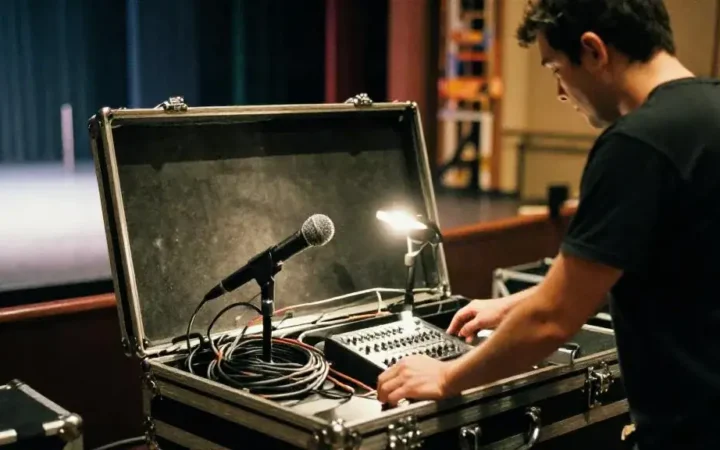
Performer tech rider template
Templates
What a performer needs from the venue: stage, sound, lighting, power, dressing room, timing.
Read more