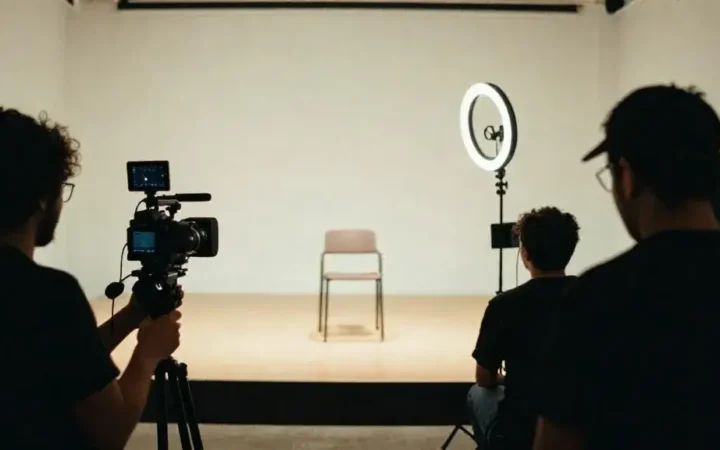
Choosing a format and platform
Specialist · Virtual & Hybrid · 15 min
Virtual, hybrid, hub-and-spoke; platform features that matter and the ones that do not.
Read moreSpecialist track: Choosing a format and platform; Production for the camera; Engagement design; Hybrid logistics and the two-audience problem.
Specialist · Virtual & Hybrid is part of the free Event Planner Academy. It has 5 lessons, about 1.3 hours of study in total, and every lesson comes with a narrated video, a printable worksheet and a short quiz.
Specialist · Virtual & Hybrid · 15 min
Virtual, hybrid, hub-and-spoke; platform features that matter and the ones that do not.
Read more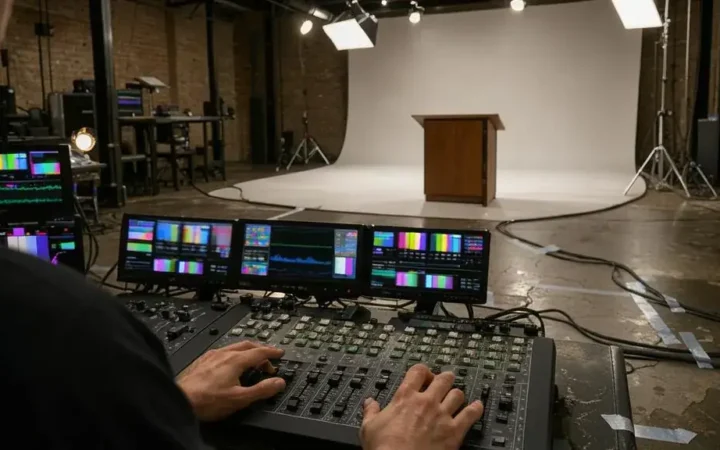
Specialist · Virtual & Hybrid · 15 min
Studios, lighting, audio, switching, graphics and rehearsal.
Read more
Specialist · Virtual & Hybrid · 15 min
Segments under 20 minutes, chat moderation, polls, breakout rooms and remote entertainment.
Read more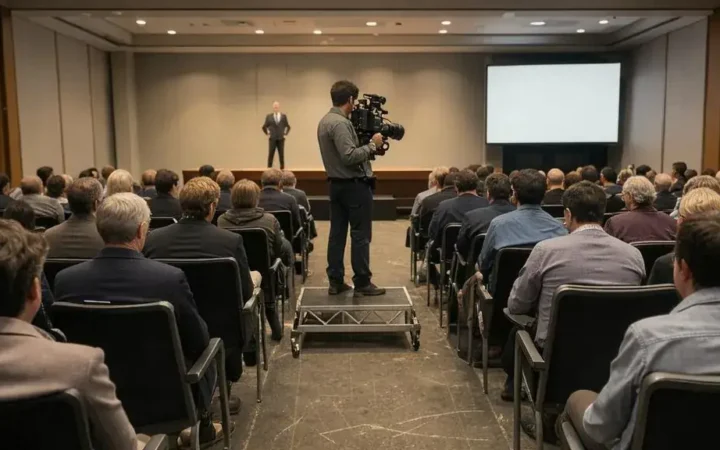
Specialist · Virtual & Hybrid · 15 min
Serving the room and the screen at once; timing, catering, networking.
Read more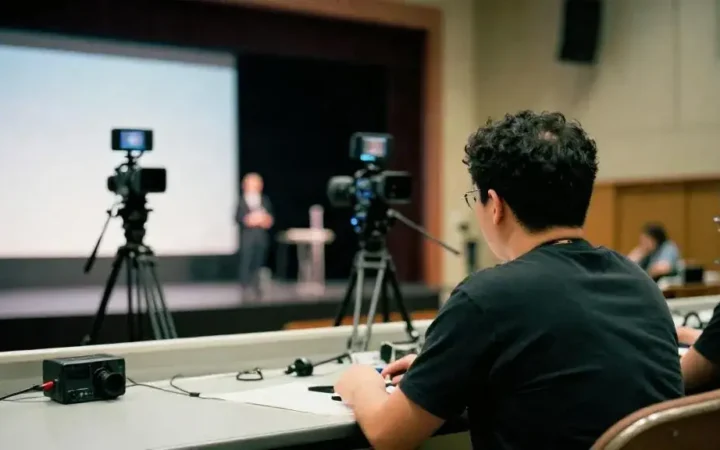
Specialist · Virtual & Hybrid · 15 min
Attendance curves, engagement metrics, leads and content reuse.
Read moreThis track is for planners, internal communications teams and association staff who run meetings, town halls, launches and conferences with an online audience, whether entirely remote or alongside guests in a room. It suits people who have run in-person events and now need to add a broadcast, and people who have run webinars and now need to manage a live room as well. A basic grasp of AV from the core AV basics lesson will help.
By the end of the five lessons you should be able to choose between virtual, hybrid and hub-and-spoke formats, brief a production team on cameras, audio, switching and graphics, design a program that holds an online audience, solve the timing and catering problems of serving two audiences at once, and report on attendance and engagement in a way that a sponsor or executive will accept.
The track starts with format because it drives the budget and the platform. Production follows, since an online audience judges the event almost entirely by sound and picture, and poor audio loses viewers faster than anything else. Engagement design then addresses the shorter attention span of a screen audience, including segment length, moderation and remote entertainment. The hybrid lesson tackles the hardest problem: keeping both audiences feeling like the main audience. Measurement closes the track, linking back to the reporting lessons in the after the event module.
Allow about an hour and twenty minutes of study plus worksheet time. If you are planning an event now, read the production and hybrid lessons first and schedule a full technical rehearsal with your presenters well before the day. For GTA venues, confirm the upload speed of a wired connection rather than relying on guest Wi-Fi, and ask whether the venue requires you to use its in-house AV team. The hybrid and virtual events page lists formats and suppliers to consider.