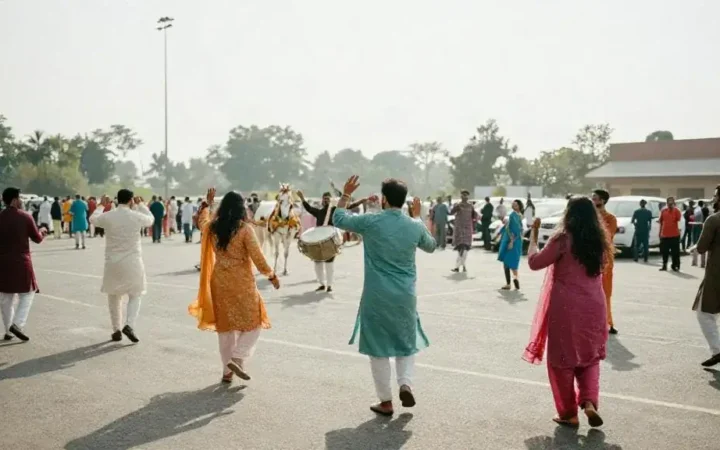
Baraat
Weddings & Cultural
The groom's procession to the wedding venue, with music, dancing and often a horse or car.
Read moreWeddings & Cultural: guides, ideas and tools from EventPlans.ca for planning events in Toronto and the GTA.
Weddings & Cultural
The groom's procession to the wedding venue, with music, dancing and often a horse or car.
Read more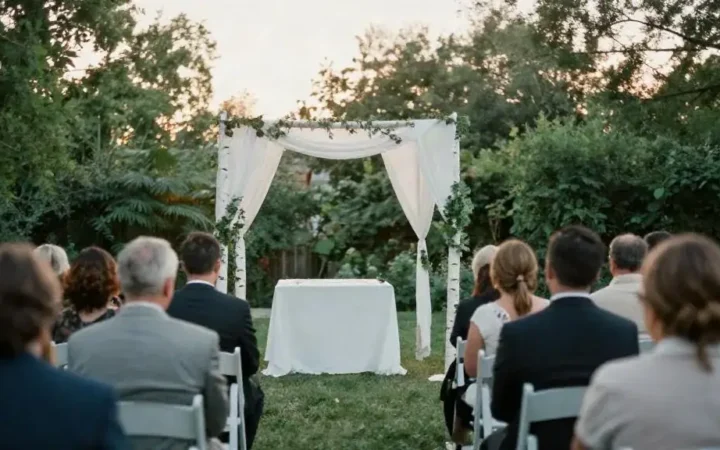
Weddings & Cultural
The canopy under which a Jewish wedding ceremony takes place.
Read more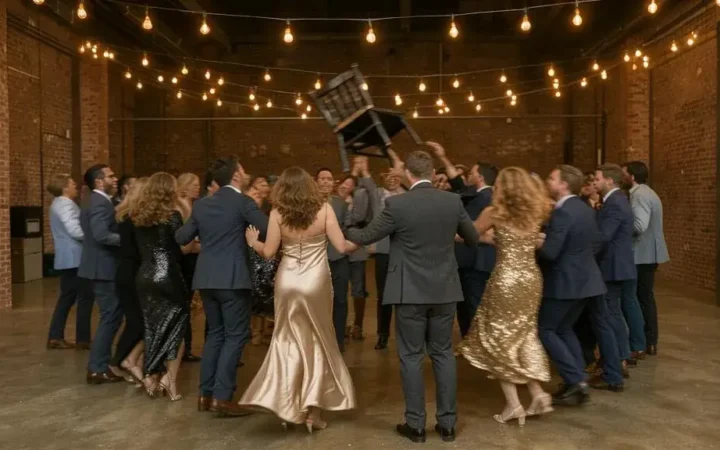
Weddings & Cultural
The circle dance at Jewish weddings in which the couple is lifted on chairs.
Read more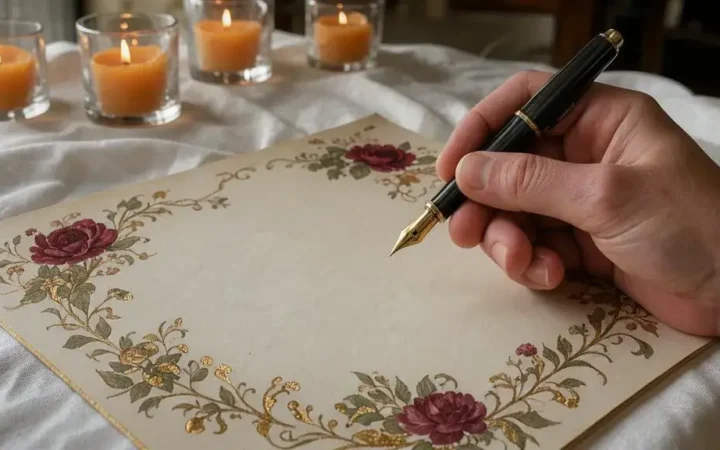
Weddings & Cultural
The Jewish marriage contract, signed before the ceremony.
Read more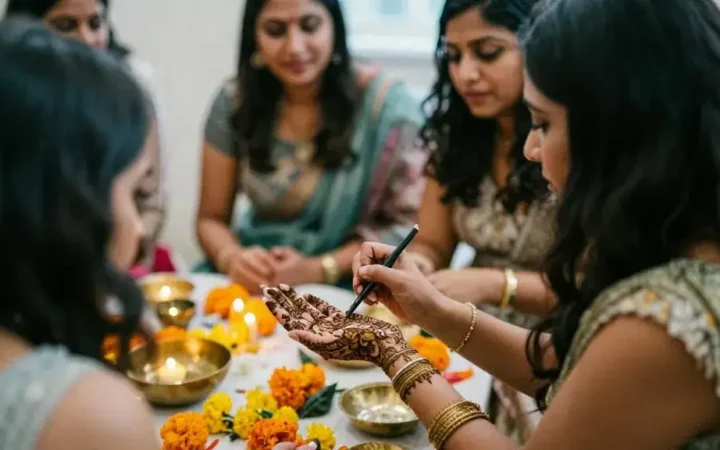
Weddings & Cultural
A pre-wedding gathering where henna is applied to the bride and guests, typically with music and food.
Read more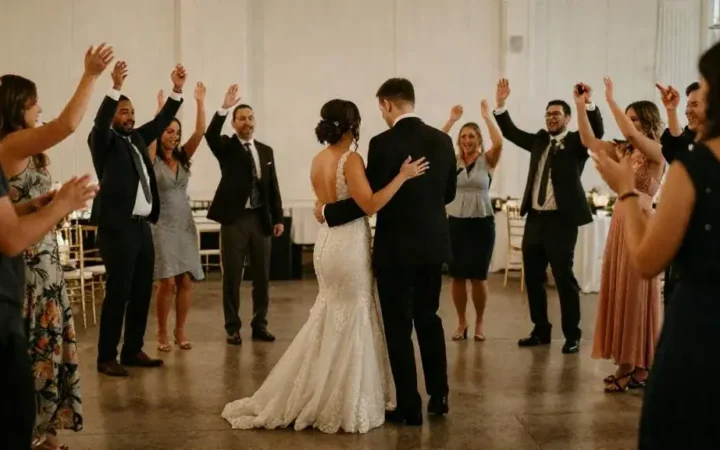
Weddings & Cultural
A tradition in Filipino, Polish, Greek and other weddings where guests pin or give money while dancing with the couple.
Read more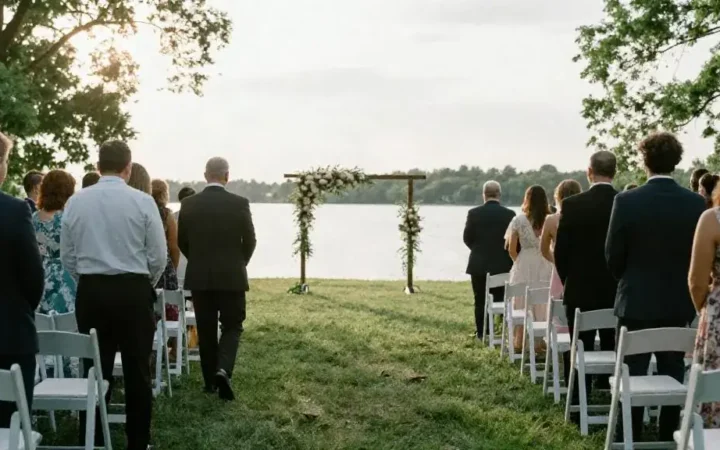
Weddings & Cultural
The entrance of the wedding party and the couple at the start of a ceremony.
Read more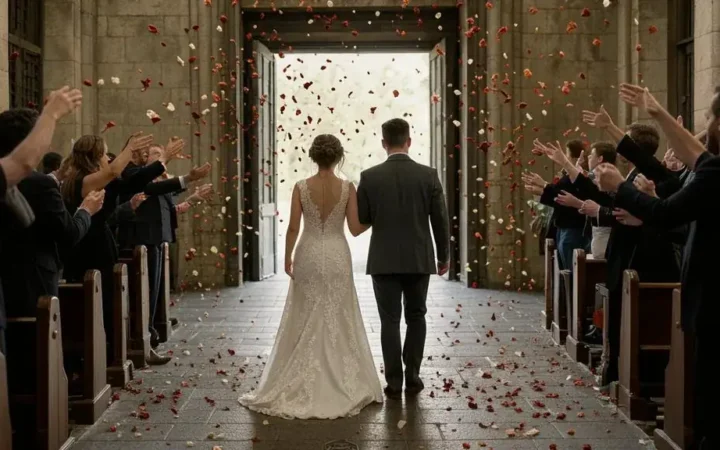
Weddings & Cultural
The exit of the couple and wedding party at the end of a ceremony.
Read more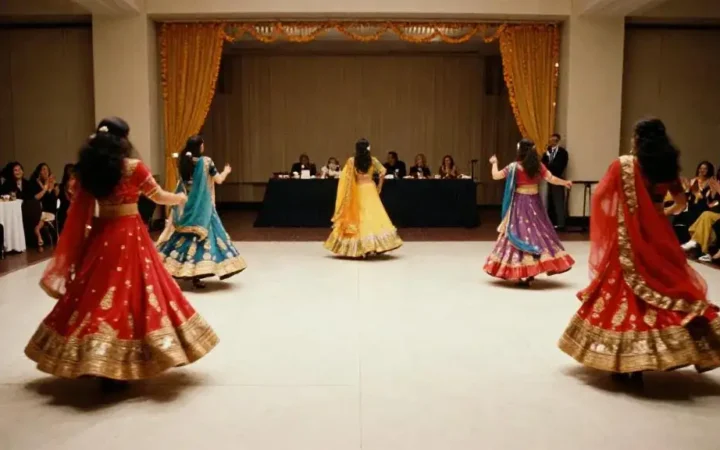
Weddings & Cultural
A pre-wedding celebration in South Asian weddings with music, dance performances and dinner.
Read more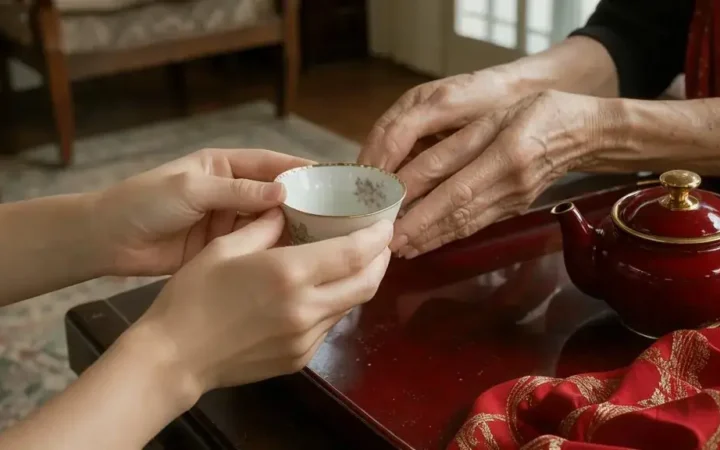
Weddings & Cultural
A Chinese wedding ritual where the couple serves tea to parents and elders and receives blessings and gifts.
Read moreToronto and the GTA host weddings from many traditions, and many couples blend more than one. The terms in this category describe ceremonies, rituals and celebrations that planners, venues and vendors need to understand to plan well. Knowing what a baraat, a tea ceremony or a hora involves helps you allow the right time, space and equipment, and helps vendors respect each tradition rather than treating it as a decorative extra.
Every ritual has practical needs. A baraat procession needs a route, permission from the venue, and sometimes approval for music outdoors or a vehicle or horse on the property. A chuppah needs a sturdy frame and space at the front of the ceremony. A tea ceremony requires a quiet space, a tea set and time in the schedule for each family group. A hora requires a dance floor large enough for a circle and sturdy chairs for the lift. Multi-day celebrations such as a mehndi and a sangeet may each need their own venue, caterer, décor and entertainment.
Cultural weddings often involve specific dietary requirements: halal, kosher, vegetarian or no alcohol at some events. Confirm whether the venue allows outside caterers, as some cultural menus need specialist kitchens, and whether there are kitchen or equipment restrictions. Use dietary codes on the seating chart so servers deliver the right meals. If alcohol is served in an unlicensed space, an AGCO Special Occasion Permit is generally required, and servers must be Smart Serve certified.
Multi-day weddings change the budget split, with more spent on venue, attire and entertainment. The wedding budget splitter includes a cultural, multi-day style for that reason. For ideas on music and performances beyond the DJ, see wedding entertainment beyond the DJ, and use the wedding planning timeline to schedule each event.