Match the act to the event, then check the room. Full logic in the entertainment finder.
Read the transcript
Entertainment by event type: the quick picker.
Match the act to the event, then check the room.
Full logic in the entertainment finder.
Three rules that apply to every event.
Roaming acts for mingling, stage acts for attention. Close-up and strolling performers work cocktail hours and receptions at roughly one performer per 40 to 60 guests.
Never over dinner service. Servers and performers fighting for the same aisle ruins both.
Weddings.
What works: a close-up magician or jazz trio during cocktail hour, which covers the gap while the couple is at photos; a cultural performance (dhol players, a folk dance troupe, a lion dance) at the grand entrance; a DJ or band for dancing; a late-night surprise such as an LED act at midnight.
When: roaming acts during cocktails; cultural acts at the entrance; a short spectacle (aerial, Cyr wheel) as the transition from dinner to dancing; nothing during speeches.
Corporate holiday parties.
What works: LED stilt walkers or a greeter act at the door, roaming magicians during the reception, one 20 to 30 minute stage act after mains, then a DJ, sometimes with a live sax or percussionist over the top.
When: the stage act goes after the main course and any short remarks from leadership, before the dance floor opens.
Galas and fundraisers.
What works: strings or a pianist on arrival with a roaming mentalist; a short spectacle opener (Cyr wheel, aerial) to start the program; a headline act placed immediately before the ask; a band or DJ after the fundraising is done.
When: the headline goes right before the paddle raise or live auction, so the room is at peak attention when the auctioneer takes over.
Conferences.
What works: a caricaturist or close-up magician at registration and in the expo hall; 8 to 15 minute interstitial sets (mentalism, illusion, comedy) to reset energy after lunch or between keynotes; a reception DJ or band on the networking night.
When: the post-lunch slot and the opening of day two are where audiences sag; that is where a short act earns its fee.
There is more on this page, just below the video.
| Event | Cocktails | Program | Late | Room needs |
|---|---|---|---|---|
| Corporate holiday party | Roaming magicians, LED stilts at the door | 25-min stage act after mains | DJ + live sax | Stage 4 × 3 m, mic, blackout |
| Gala / fundraiser | Strings, roaming mentalist | Cyr wheel opener; headline before the ask | Band or DJ | Hard floor 6 m circle; 5 m+ ceiling for aerial |
| Wedding | Close-up magician, jazz trio | Cultural performance; photo-gap act | DJ, LED act at midnight | Mostly none; rigging for aerial |
| Conference | Caricaturist at registration | 8–15 min mentalist or illusion interstitials | Reception DJ | Stage, screen, headset mic |
| Trade show booth | — | Sales magic micro-shows every 30 min | — | Open booth front, tablets for leads |
| Kids’ birthday | Balloon artist on arrival | 30–45 min magic or circus show | Dance party | Floor space 3 × 3 m |
| Festival | Stilt walkers, jugglers roaming | Stage sets 20–30 min; fire at dusk | Headline band | Power, stage, fire perimeter and permit |
Three rules that apply to every event
- Roaming acts for mingling, stage acts for attention. Close-up and strolling performers work cocktail hours and receptions at roughly one performer per 40–60 guests. Stage shows of 20–45 minutes go where the room is already paying attention: after mains, before the ask, or before the dance floor opens.
- Never over dinner service. Servers and performers fighting for the same aisle ruins both. Between courses at the table is fine; a stage set while plates go down is not.
- The MC introduces every stage act. An act that starts without an introduction loses the first two minutes winning the room back.
Prices below are typical GTA ranges for 2026, before HST. Use them for budgeting, then get quotes.
Weddings
What works: a close-up magician or jazz trio during cocktail hour, which covers the gap while the couple is at photos; a cultural performance (dhol players, a folk dance troupe, a lion dance) at the grand entrance; a DJ or band for dancing; a late-night surprise such as an LED act at midnight.

When: roaming acts during cocktails; cultural acts at the entrance; a short spectacle (aerial, Cyr wheel) as the transition from dinner to dancing; nothing during speeches.
Typical cost: close-up magician $600–$1,500 for 2 hours; DJ $900–$2,500; 4-piece band $2,500–$6,000; photo booth $800–$1,500; aerial duo $1,500–$4,000 plus rigging.
Multicultural weddings often have more music than any other event. Make sure the DJ, the band and the cultural performers each know their slot on the run of show.
Corporate holiday parties
What works: LED stilt walkers or a greeter act at the door, roaming magicians during the reception, one 20–30 minute stage act after mains, then a DJ, sometimes with a live sax or percussionist over the top.
When: the stage act goes after the main course and any short remarks from leadership, before the dance floor opens. That is the moment the whole room is seated and fed.
Typical cost: stage illusionist or mentalist (30–45 min) $1,500–$5,000; close-up magician $600–$1,500; DJ $900–$2,500.
Remember the CRA threshold: if the party is open to all staff and costs $150 or less per person including taxes, it is a non-taxable benefit. Entertainment counts toward that cost.
Galas and fundraisers
What works: strings or a pianist on arrival with a roaming mentalist; a short spectacle opener (Cyr wheel, aerial) to start the program; a headline act placed immediately before the ask; a band or DJ after the fundraising is done.
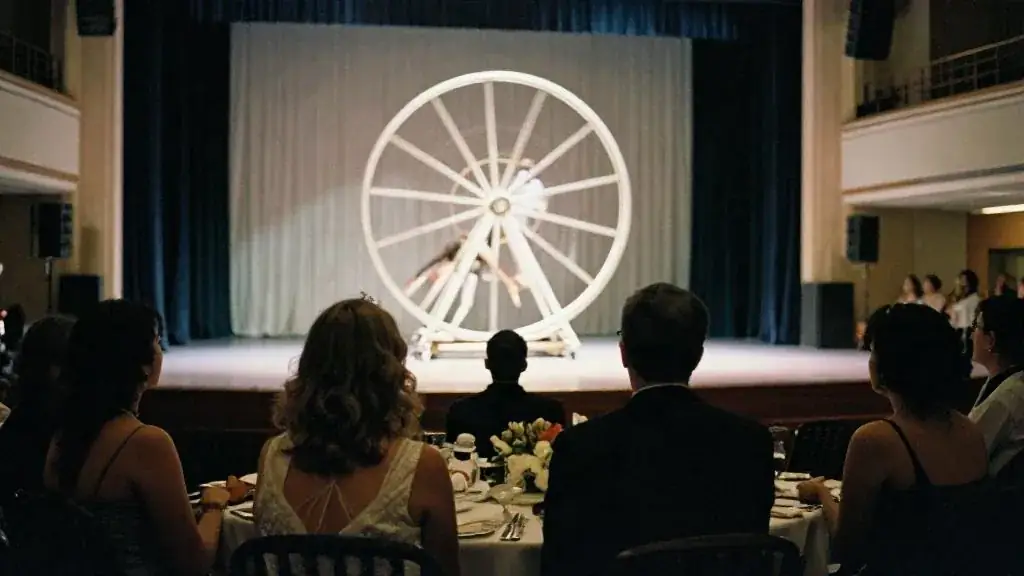
When: the headline goes right before the paddle raise or live auction, so the room is at peak attention when the auctioneer takes over. Never place the headline after the ask; donors start leaving.
Room needs: a stage of at least 4 × 3 m, a wireless mic, blackout capability and a lockable green room. Aerial acts need a certified rigging point rated for the dynamic load (typically at least 1,000 lb / 450 kg working load, engineer-confirmed), 4.5–5 m of ceiling at minimum and 6 m or more preferred, venue approval and an insured rigger.
Conferences
What works: a caricaturist or close-up magician at registration and in the expo hall; 8–15 minute interstitial sets (mentalism, illusion, comedy) to reset energy after lunch or between keynotes; a reception DJ or band on the networking night.
When: the post-lunch slot and the opening of day two are where audiences sag; that is where a short act earns its fee. Tie the content to the conference theme if you can.
Room needs: the existing stage and screen, a headset mic, and a clear cue from the AV team. Put every interstitial in the run of show with exact in and out times.
Trade shows
What works: a sales-focused magician or mentalist performing short shows at the booth front every 20–30 minutes, drawing a crowd and handing qualified prospects to the sales team. The act should carry the client’s message, not just entertain.
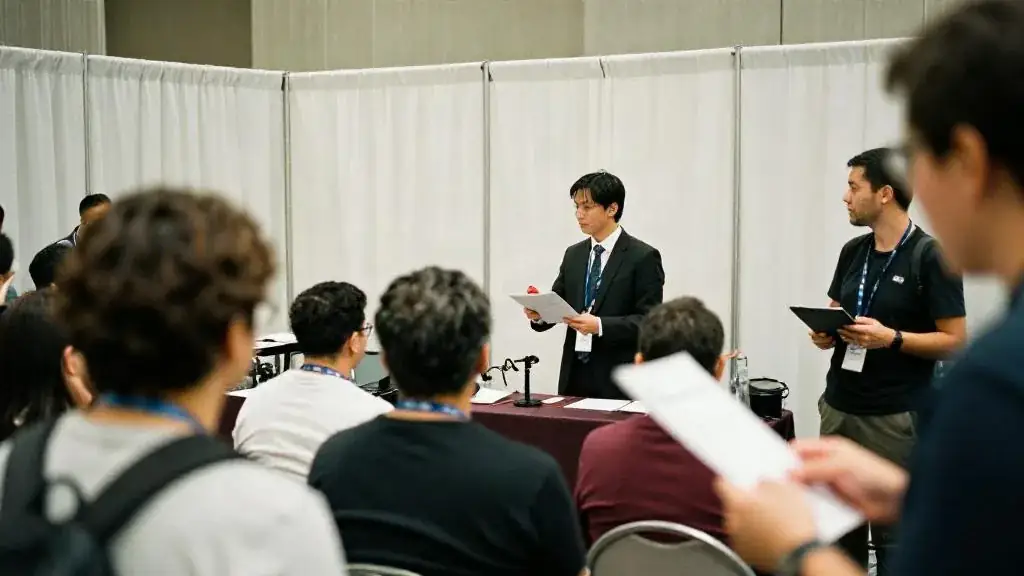
Room needs: an open booth front, a little floor space for the crowd, and a lead-capture plan (tablet or badge scanner) ready before the first show. Check the show organiser’s rules on amplified sound and aisle obstruction.
Typical cost: trade show magic is usually quoted per day; ask for a quote that includes the number of shows and any message customisation.
Kids’ parties
What works: a balloon artist or face painter as kids arrive, a 30–45 minute magic, circus or science show as the centrepiece, then a dance party or games.
When: the show goes in the first half, after most guests have arrived and before cake. Kids lose focus once sugar and gifts arrive.
Room needs: a clear floor area of about 3 × 3 m for the performer, kids seated on the floor in front, and adults behind them. A two-hour party (for example, Sunday 1–3 p.m. in a community centre room) fits arrival, show, food, cake and a game comfortably.
Festivals
What works: roaming stilt walkers, jugglers and LED performers through the crowd; 20–30 minute stage sets on a rotating schedule; a fire or LED act at dusk; a headline band to close.
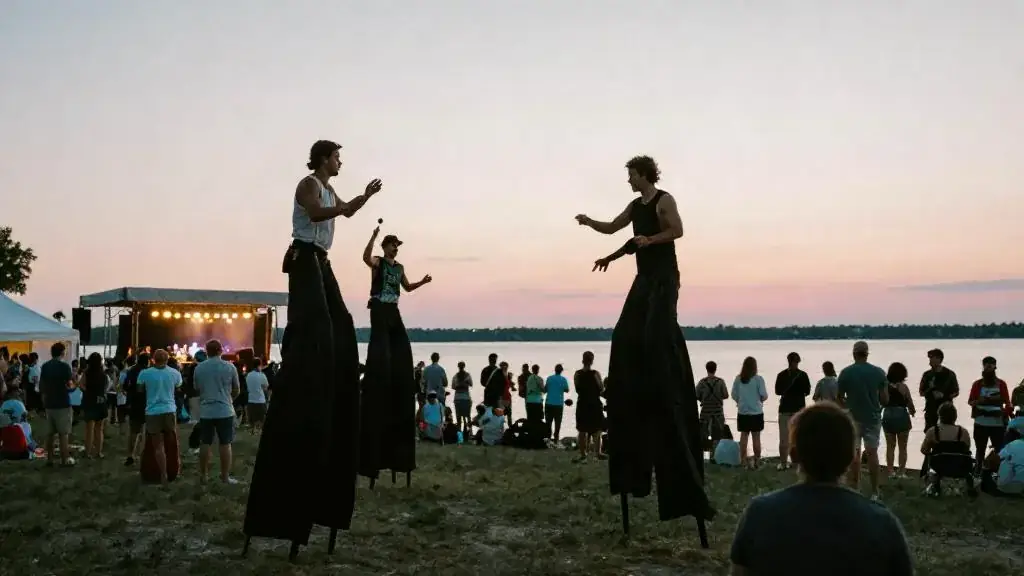
Permits: fire performers need approval from the site owner and often the fire department, plus a fire watch with extinguishers and a safety perimeter. Outdoor amplified sound in Toronto may need a noise exemption permit, which takes about four weeks. A public event serving alcohol needs a Special Occasion Permit at least 30 days ahead (60 days for 5,000+ people a day), and every server needs Smart Serve.
Staffing: security guards run about $35–$50 an hour and registered first-aid responders about $45–$70 an hour. At a large free festival you will need both.
Finding the right act
The entertainment finder asks about your event type, guest count, room and budget, and suggests acts and timings. The entertainment hours planner helps you work out how many roaming performers you need. When you are ready to contact performers, browse the entertainment directory. Directory listings owned by the site founder carry a visible disclosure and receive no ranking preference.
Related guides, venues and vendors
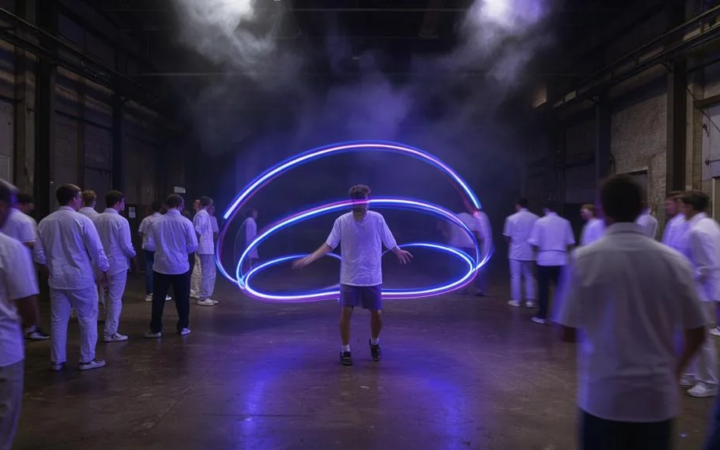
Neon / Glow
UV light, white dress codes, LED performers and a dance floor that does the décor. The highest energy-per-dollar theme for younger corporate…
Read more
Gatsby / 1920s
Art deco gold and black, jazz, champagne towers and a dress code people enjoy following. The most-booked corporate gala theme in the…
Read more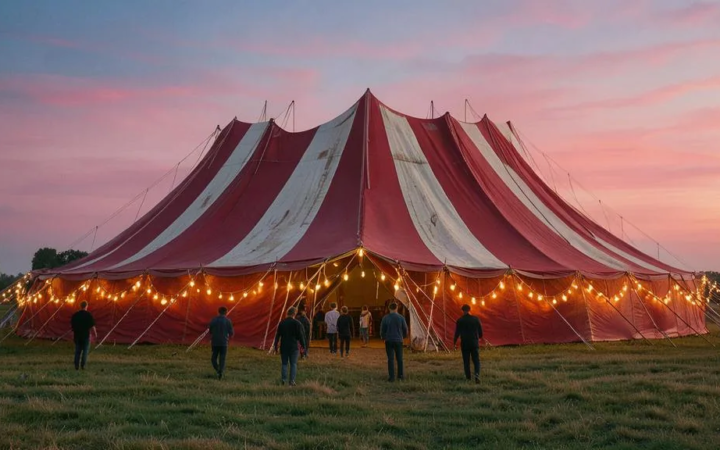
Circus & Carnival
Red-and-white stripes, popcorn, a ringmaster MC and real circus acts. Works for family days, product launches and summer company picnics.
Read more