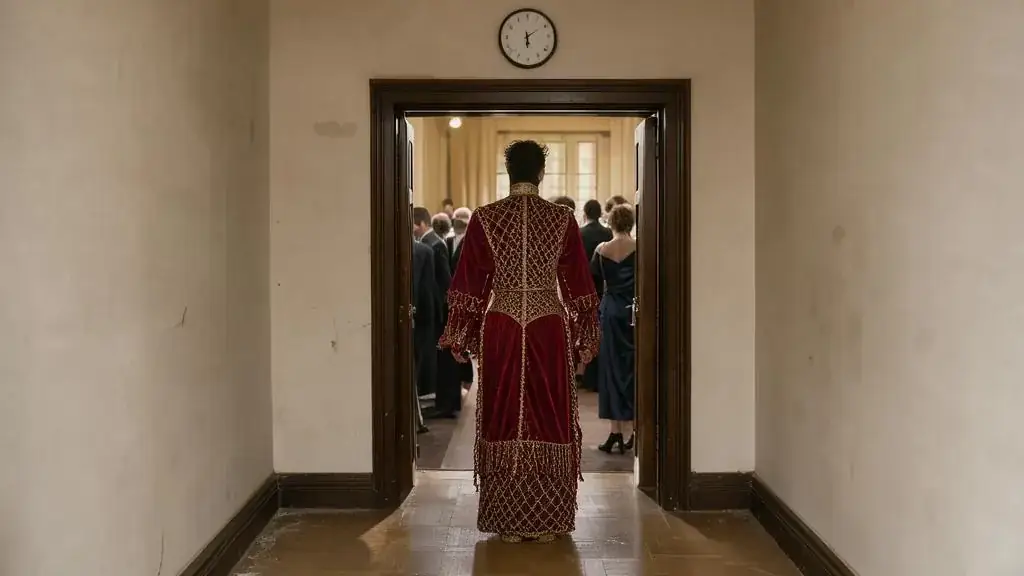
Match entertainment to your format and guest count, with the booking rules of thumb performers use.
Rule of thumb: one roaming performer per 60–80 guests for a 2-hour set; stage shows of 20–40 minutes land best right after the main course.

How to use the planner
Enter your guest count, the length of the event in hours and the format that best describes it. The planner returns a suggested number of roaming performers, how long they should work, where a stage show fits, whether ambient acts suit the space, how many hours of DJ or band you need and a budget range in Canadian dollars. Format matters most. A cocktail reception relies on roaming entertainment, because guests are moving and talking. A seated dinner suits a short stage show, usually after the main course. A conference or trade show floor needs acts that draw people toward a booth or space without blocking aisles. A kids' party needs one focused performance and an activity, and a festival needs acts that work in open space for a passing crowd.
The rules of thumb explained
The planner uses guidelines that performers and planners use when booking. One roaming performer for every 60 to 80 guests over a two-hour set means most guests see a performance without the act feeling rushed. Stage shows of 20 to 40 minutes hold attention best, and placing them right after the main course means guests are seated, fed and ready to watch. Longer sets are typically broken into segments with breaks, which most performers' contracts will specify.
- Larger rooms or multiple spaces may need more performers than the ratio suggests.
- Stage acts need sightlines, sound and lighting; check these with the venue.
- Aerial acts need clear ceiling height and certified rigging points.
- Fire and open flame usually need venue approval and may need a fire watch.
Budget and booking
The budget range is a guide based on typical GTA rates and will vary with the type of act, experience, date and travel. December and peak wedding Saturdays book quickly and may cost more. Confirm each act's technical needs early with the performer tech rider template, place their cues in the run of show and check contract terms with the vendor contract outline. For help choosing the type of act, see the entertainment by event type picker.
Related guides, venues and vendors
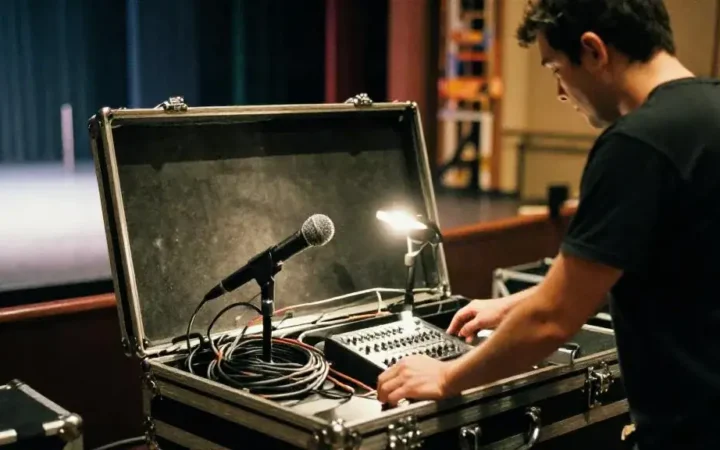
Performer tech rider template
Templates
What a performer needs from the venue: stage, sound, lighting, power, dressing room, timing.
Read more
Event budget sheet
Templates
A printable line-item budget sheet with HST, gratuity, actual and variance columns.
Read more
Timeline generator
Calculators
A backward-planned milestone list from your event date, by event type and scale.
Read more