Suspending equipment or performers from a structure, using certified points and rated hardware.
Read the transcript
Rigging.
Suspending equipment or performers from a structure, using certified points and rated hardware.
How it works in practice.
Rigging covers everything hung overhead: lighting, speakers, a projection screen, a banner, or a performer.
Equipment loads are static.
In Ontario and the GTA.
For lyra and silks, minimum ceiling height is usually 4.5 to 5 m, with 6 m or more preferred.
The venue must approve any rigging, and the rigger must carry insurance.
How to handle it.
Ask the venue early whether certified rigging points exist, their locations and their rated loads in writing.
Send the performer's rigging requirements to the venue the day you receive them.
More detail, examples and common mistakes are on this page, below the video.
How it works in practice
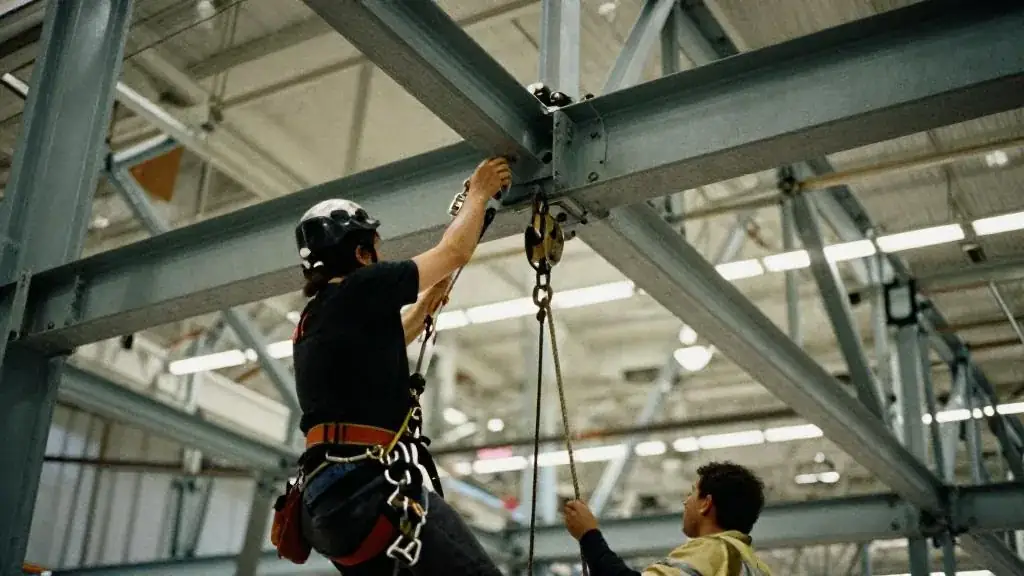
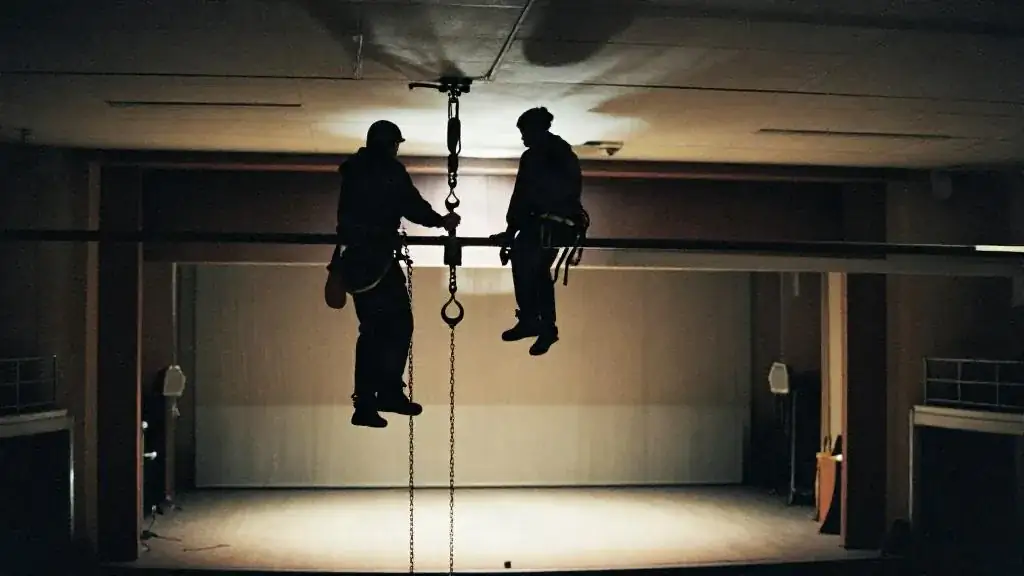
Rigging covers everything hung overhead: lighting, speakers, a projection screen, a banner, or a performer. Equipment loads are static. Performers are not. An aerialist dropping into a pose creates a dynamic load several times body weight, so the point has to be rated for that, typically at least 1,000 lb (about 450 kg) working load, confirmed by an engineer for the specific structure.
There are two routes. Some ballrooms have certified ceiling points with documented ratings. Rooms without them, such as lofts, tents and older halls, need a free-standing aerial rig or ground-supported truss designed for the job. Hanging from a sprinkler pipe, a beam nobody has assessed or a decorative chandelier hook is not rigging.
In Ontario and the GTA
For lyra and silks, minimum ceiling height is usually 4.5–5 m, with 6 m or more preferred. The venue must approve any rigging, and the rigger must carry insurance. Ask for a certificate of insurance naming the venue and your client as required, and read the indemnity clause in the venue contract before you agree to it. A typical GTA range for an aerial duo act is $1,500–$4,000 plus rigging, so budget the rig as its own line.
How to handle it
- Ask the venue early whether certified rigging points exist, their locations and their rated loads in writing.
- Send the performer’s rigging requirements to the venue the day you receive them.
- If there are no suitable points, get a quote for a free-standing rig and confirm the floor can take its footprint and weight.
- Confirm who rigs: the performer’s own rigger, the production company or the venue’s contractor. One named person signs off.
- Schedule rigging inside load-in with time for a load test and rehearsal before guests arrive.
- Keep the area under the act clear on the floor plan and in the run of show.
Questions to ask
- Who calculated the working load limit, and can we see it?
- Is the act on a dedicated point, or shared with lighting?
- What happens if the inspection on the day fails?
Read the aerial silks and lyra entries for act-specific heights.
Related tools
Log rigging as a named risk in the risk register template, and find insured aerial performers through the entertainment finder or the directory. Listings owned by the site founder carry a visible disclosure and get no ranking preference.
Why it matters
Aerial acts and overhead lighting depend on it; uncertified rigging is a liability nobody will insure.
Example
A hotel ballroom with four certified 500 kg points allows a lyra act; a loft without points needs a free-standing rig.
Common mistakes
- Assuming any beam is a rigging point
- Not asking for the venue's rigging plot and load ratings
Related guides, venues and vendors

Comp ratio
Business & Legal
The number of complimentary rooms or tickets a venue grants per number booked.
Read more
Cancellation clause
Business & Legal
The contract terms stating what is owed if either party cancels, usually on a sliding scale by date.
Read more
Processional
Weddings & Cultural
The entrance of the wedding party and the couple at the start of a ceremony.
Read more