An aerial act performed on two lengths of fabric suspended from a certified rigging point.
Read the transcript
Aerial silks.
An aerial act performed on two lengths of fabric suspended from a certified rigging point.
How it works in practice.
Silks hang from a single rated point, through a swivel or rescue eight, to the floor.
The performer climbs, wraps and drops.
In Ontario and the GTA.
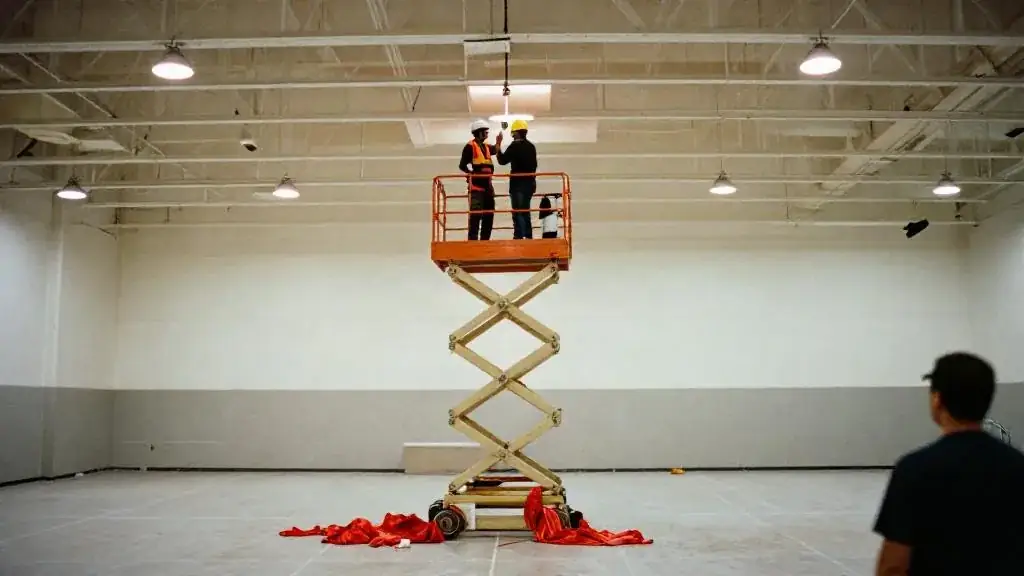
The working standard for aerial acts is a certified rigging point rated for the dynamic load, typically at least 1,000 lb (450 kg) working load, confirmed by an engineer.
The venue must approve, and the rigger must be insured.
Worked numbers.
More detail, examples and common mistakes are on this page, below the video.
How it works in practice
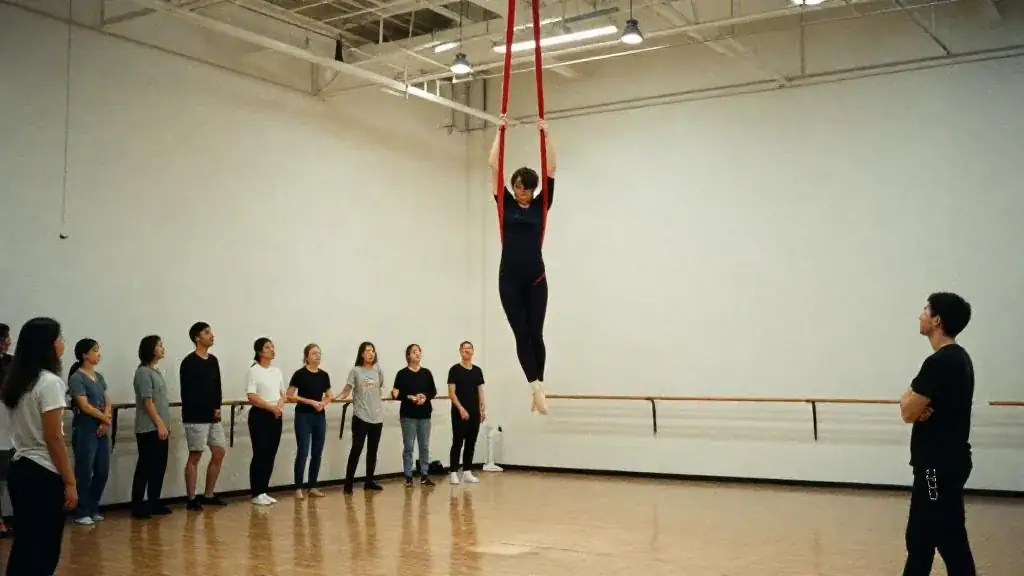
Silks hang from a single rated point, through a swivel or rescue eight, to the floor. The performer climbs, wraps and drops. Those drops put dynamic loads on the point well above body weight, which is why rigging is the first question, not the costume. Either the venue has a certified rigging point the performer can use, or the act brings a free-standing aerial rig that sits on the floor with its own legs or base.
Silks are the most requested spectacle act in the GTA because they photograph well and read from every seat. They work best at a transition: the reveal of a room, the moment between dinner and dancing, the open of a program as an opener.
In Ontario and the GTA
The working standard for aerial acts is a certified rigging point rated for the dynamic load, typically at least 1,000 lb (450 kg) working load, confirmed by an engineer. The venue must approve, and the rigger must be insured. Ceiling height of 4.5–5 m is usually the minimum for lyra or silks; 6 m or more is preferred, and full silks drops need the extra height. The typical GTA range for 2026 is $1,500–$4,000 for an aerial duo act, plus rigging.
Worked numbers
| Room | Ceiling | Likely answer |
|---|---|---|
| Harbour Gala ballroom | 4.9 m, chandeliers | Too low for full silks; consider lyra or a floor act |
| Converted loft, no points | 6 m | Free-standing rig, if the floor and footprint allow |
| Hotel ballroom with certified points | 7 m+ | Silks from a house point, with engineer sign-off |
How to handle it
- Ask the venue for its rigging plan and the rating of each point, in writing.
- Have the act send the load requirement and rig specification to the venue.
- Collect the rigger’s certificate of insurance and check the indemnity wording.
- Book load-in and rigging time before guests arrive, plus a rehearsal.
- Keep the area under the act clear of tables and guests during the performance.
Related tools
Read rigging and truss before the venue site visit, and bring the venue tour checklist. Log the act in the risk register.
Why it matters
Needs 6–7 m of clear height and a rated point or free-standing rig; the most requested spectacle act in the GTA.
Example
A silks act over the dance floor at the transition to dancing.
Common mistakes
- Booking silks for a room with a 4 m ceiling
- No crash mat clearance
Related guides, venues and vendors
Close-up magic
Entertainment
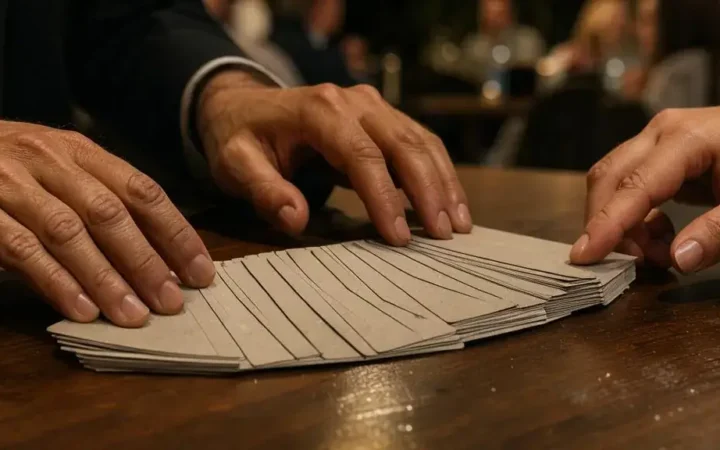
Magic performed within arm's reach, with cards, coins and borrowed objects, for groups of 2–12.
Read more
Cancellation clause
Business & Legal
The contract terms stating what is owed if either party cancels, usually on a sliding scale by date.
Read more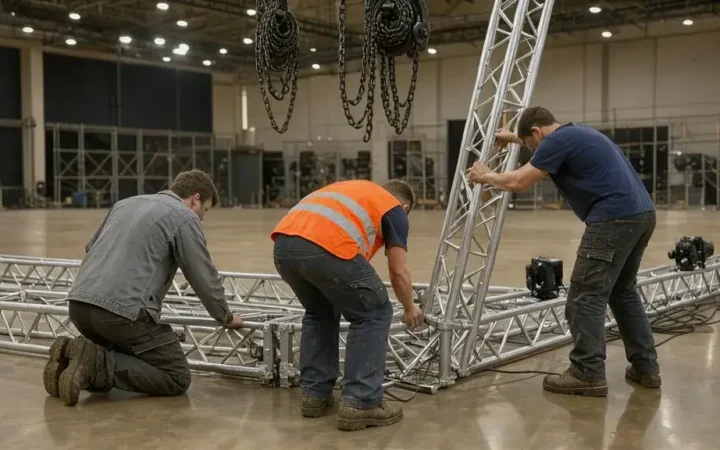
Truss
Production & AV
Aluminium lattice sections that carry lighting, sound or scenery, ground-supported or flown.
Read more