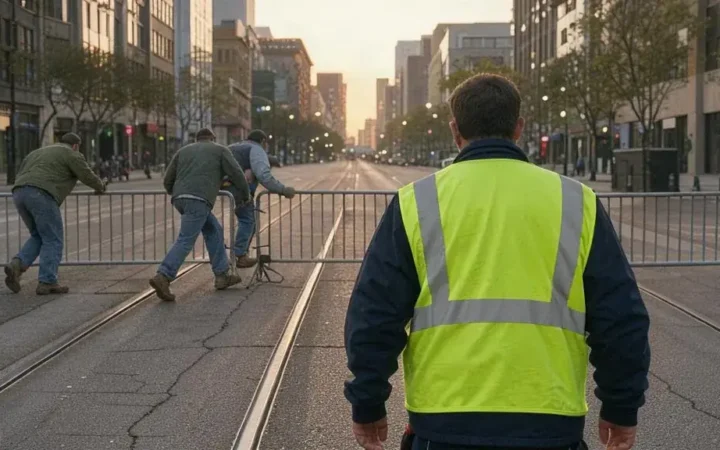
Permits, road closures and the city
Specialist · Festivals & Public Events · 15 min
Toronto and GTA processes for street events, parks, noise, food vendors and road closures.
Read moreSpecialist track: Permits, road closures and the city; Site planning and crowd management; Vendors, sponsors and revenue; Stage programming and production.
Specialist · Festivals & Public Events is part of the free Event Planner Academy. It has 5 lessons, about 1.3 hours of study in total, and every lesson comes with a narrated video, a printable worksheet and a short quiz.
Specialist · Festivals & Public Events · 15 min
Toronto and GTA processes for street events, parks, noise, food vendors and road closures.
Read more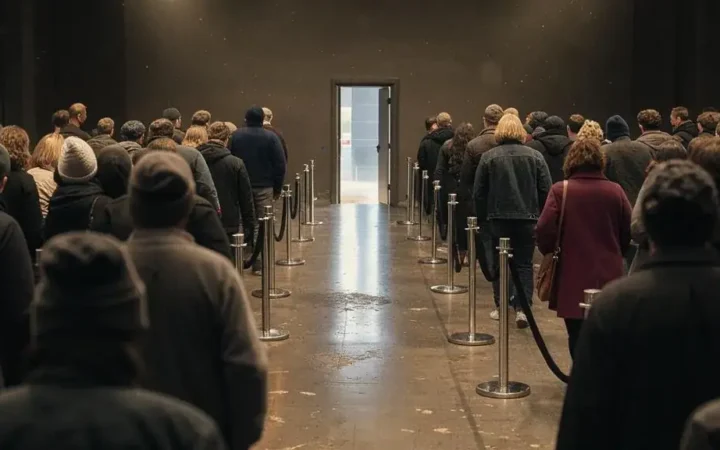
Specialist · Festivals & Public Events · 15 min
Site maps, egress, density, barriers, security ratios, medical and weather.
Read more
Specialist · Festivals & Public Events · 15 min
Vendor fees, sponsorship tiers, ticketing vs free, and the festival budget shape.
Read more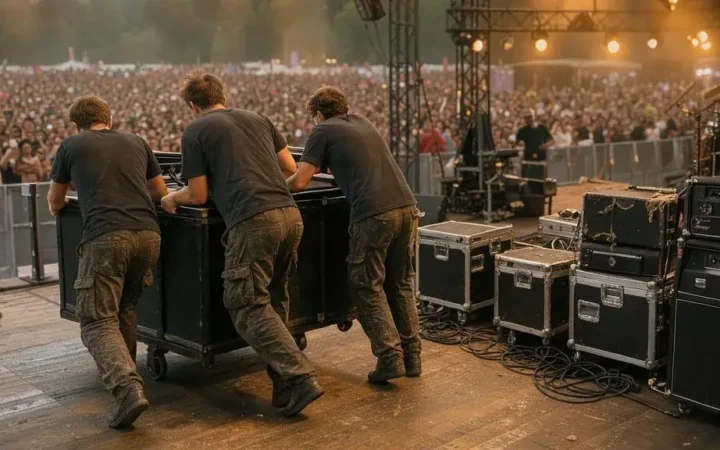
Specialist · Festivals & Public Events · 15 min
Scheduling acts, changeovers, sound limits, power distribution and roaming entertainment across a site.
Read more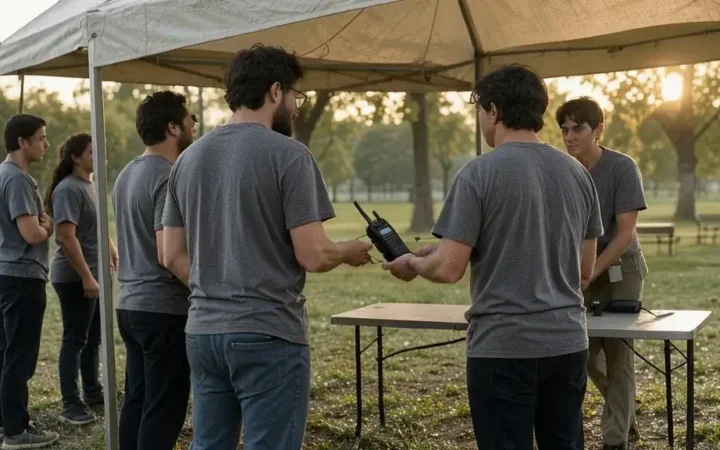
Specialist · Festivals & Public Events · 15 min
Recruiting, briefing, shifts, radios and recognition.
Read moreThis track is for anyone organising an event open to the public: street festivals, cultural celebrations, community fairs, outdoor concerts, business improvement area events and large park gatherings. It suits municipal and non-profit staff, volunteer organising committees and planners moving from private events into public ones. The core modules on budgeting, venues and legal requirements are helpful background, particularly the lesson on city permits, parks, tents, noise and road closures.
After five lessons you should be able to map the permits a public event needs in Toronto or another GTA municipality, draw a site plan with exits, barriers, first aid and vendor positions, build a festival budget that balances vendor fees, sponsorship and ticketing, programme a stage day with realistic changeovers, and recruit, train and schedule volunteers. The worksheets produce a draft site plan, permit list and stage schedule you can adapt.
Permits come first because their lead times decide if your date is achievable at all. Road closures, park permits, food vendor approvals from public health, tent permits and Special Occasion Permits from the AGCO each run on their own timeline, and some require others to be in place first. Site planning follows, since the permit applications usually ask for a site plan. Revenue comes next, because sponsors and vendors need to commit early. Stage production and volunteer management close the track, once the shape of the day is fixed.
Allow about an hour and a half of study plus worksheet time, and give yourself several weeks to complete the site plan exercise properly. In practice, start conversations with your municipality's special events office many months ahead, particularly for summer dates, and keep a record of every condition attached to each permit. The festivals page covers formats and entertainment, and the risk register template helps you document weather, crowd and power risks for your emergency plan.