
AGCO
Safety & Permits
The Alcohol and Gaming Commission of Ontario, which regulates liquor licences, Special Occasion Permits and lottery licensing.
Read moreSafety & Permits: guides, ideas and tools from EventPlans.ca for planning events in Toronto and the GTA.
Safety & Permits
The Alcohol and Gaming Commission of Ontario, which regulates liquor licences, Special Occasion Permits and lottery licensing.
Read more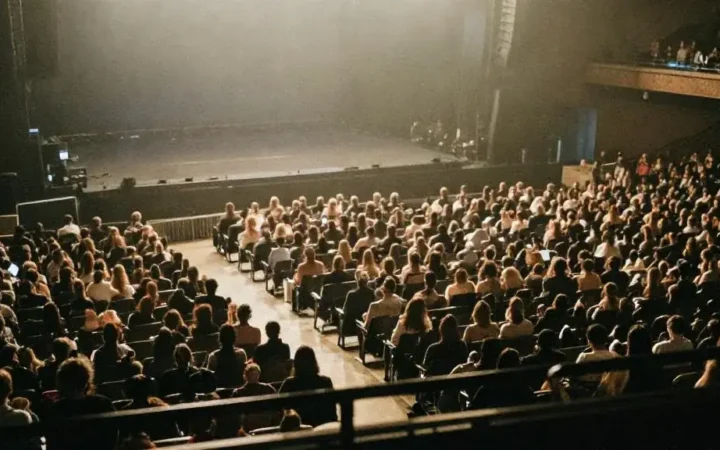
Safety & Permits
The number of people per square metre in a space. Ontario's Building Code plans standing space at 0.4 m² a person (2.5…
Read more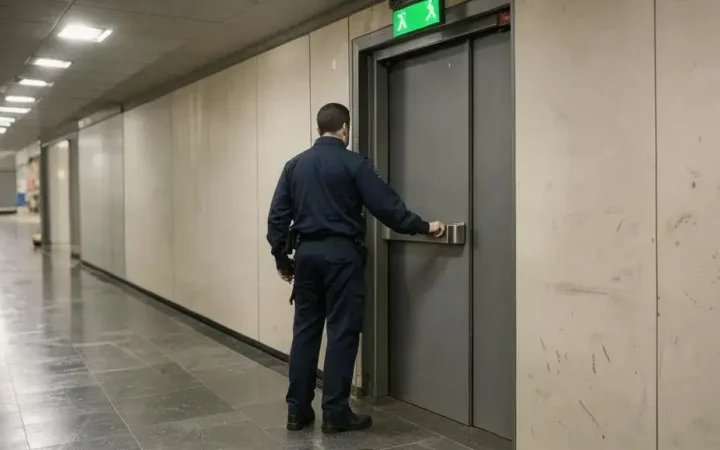
Safety & Permits
The exit routes from a space, which must remain clear and adequately sized for the occupant load.
Read more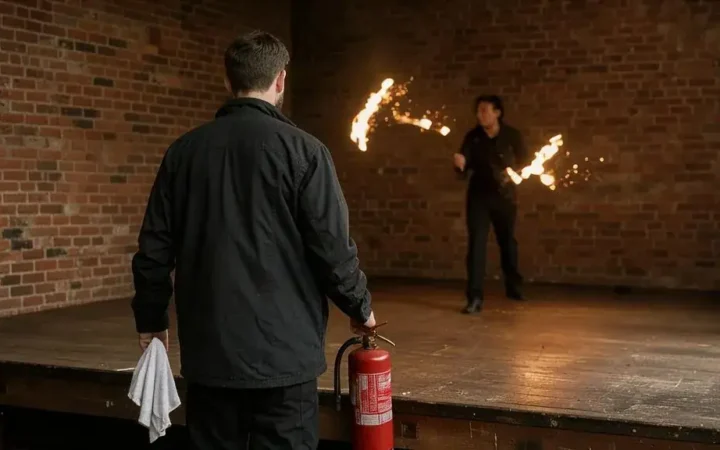
Safety & Permits
A trained person assigned to watch for fire hazards during an event, required when alarms are bypassed or open flame or pyro…
Read more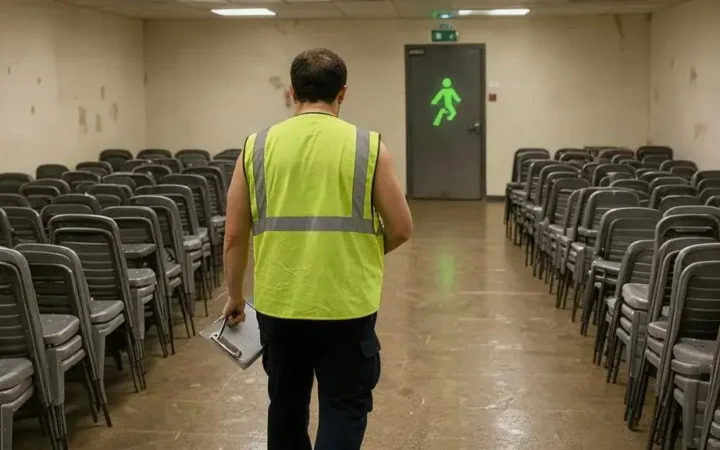
Safety & Permits
The legal maximum number of people allowed in a space, set by the fire authority and posted in the room.
Read more
Safety & Permits
Ontario's mandatory responsible alcohol service certification for anyone serving alcohol.
Read more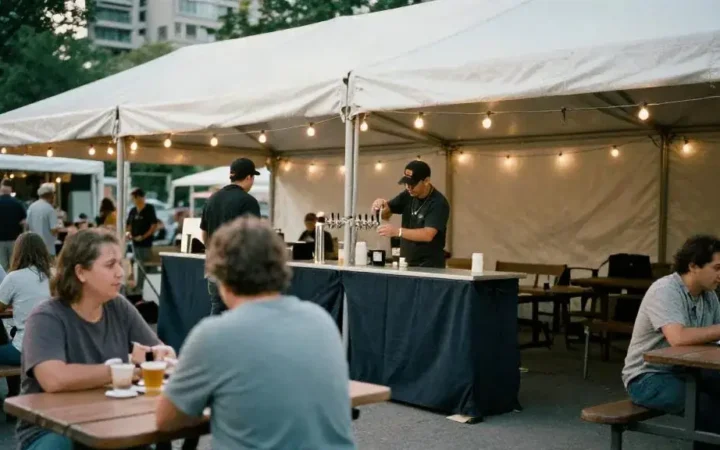
Safety & Permits
The AGCO permit required to sell or serve alcohol at an event in an unlicensed location in Ontario.
Read moreThe terms in Safety & Permits are the ones that can stop an event on the day. They cover who may serve alcohol and where, how many people a room may legally hold, how those people get out in an emergency, and what happens when flame, pyrotechnics or alarms are involved. Most planners meet these words in a venue contract or a fire inspector's note, and understanding them early saves money and last-minute changes.
Alcohol in Ontario is regulated by the AGCO. A licensed venue serves under its own liquor licence, and its staff must hold Smart Serve certification. If you serve alcohol in an unlicensed space, such as a hall, park, office or private property used for a public event, you generally need a Special Occasion Permit. Permits come in different types depending on whether the event is private, public or industry-focused, and each carries conditions on hours, service and supervision. Apply well ahead, read the conditions carefully, and make sure every server is certified. The Special Occasion Permit guide walks through the process in detail.
Occupancy load is the legal limit posted for a room, and it is a ceiling, not a target. A room's comfortable capacity for your layout is often well below it, because tables, a stage, a dance floor and bars all take space. Crowd density describes how tightly people stand, and it becomes a safety issue at concerts, festivals and anywhere guests surge toward a stage. Egress is the route out: exits must stay unobstructed and clearly marked, which affects where you place bars, photo backdrops and décor.
Use the venue capacity calculator to check that your layout fits the room, then record your main hazards in the risk register template. The Academy's legal module covers fire, performers and emergency planning in more depth, starting with crowd management and emergency plans.