Ontario’s mandatory responsible alcohol service certification for anyone serving alcohol.
Read the transcript
Smart Serve.
Ontario's mandatory responsible alcohol service certification for anyone serving alcohol.
How it works in practice.
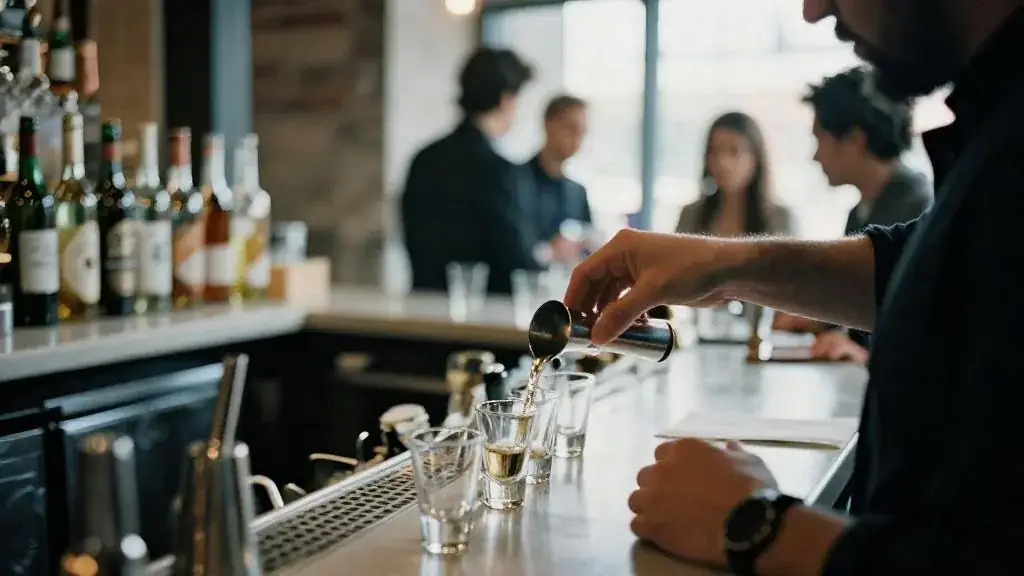
Smart Serve is the responsible alcohol service training that Ontario requires for anyone who sells or serves alcohol, whether in a licensed venue or under a Special Occasion Permit.
It covers recognizing intoxication, refusing service, checking ID and the server's legal responsibilities.
In Ontario and the GTA.
Licensed venues in Toronto and across the GTA staff their bars with certified people as standard.
The planning risk sits with SOP events: lofts, tents, community halls and private estates, where the host is assembling the bar team.
How to handle it.
Decide early who will serve alcohol, including anyone pouring wine at the table.
If using a bar company, ask in writing for each bartender's name and certificate number.
More detail, examples and common mistakes are on this page, below the video.
How it works in practice
Smart Serve is the responsible alcohol service training that Ontario requires for anyone who sells or serves alcohol, whether in a licensed venue or under a Special Occasion Permit. It covers recognizing intoxication, refusing service, checking ID and the server’s legal responsibilities. The course is online and takes about four hours.
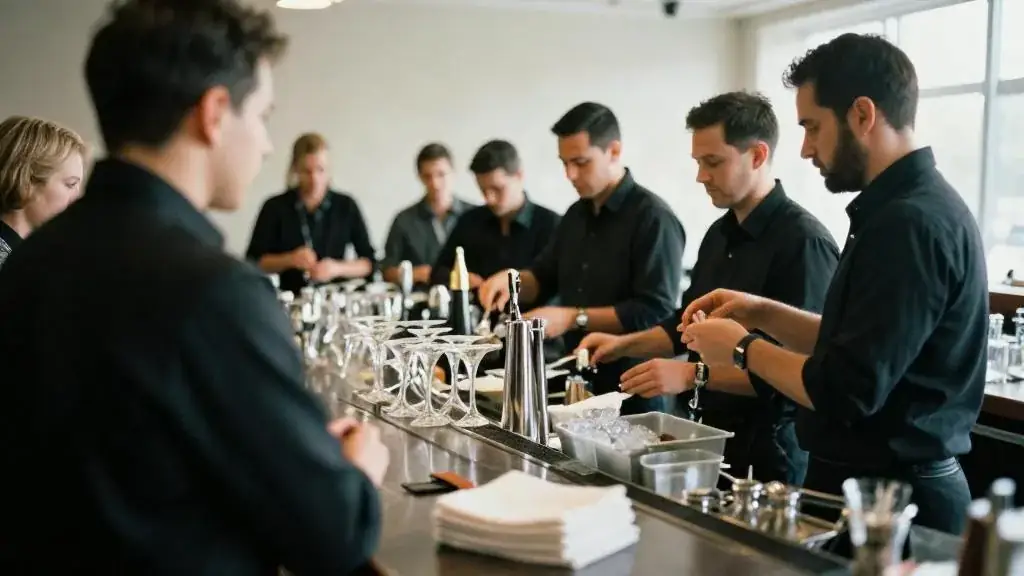
The requirement applies to people, not to companies. A mobile bar company is only compliant if every bartender it sends is certified. A family friend who “just pours wine” at a backyard wedding under an SOP needs the certificate too. That catches more private hosts than anything else in the rules.
In Ontario and the GTA
Licensed venues in Toronto and across the GTA staff their bars with certified people as standard. The planning risk sits with SOP events: lofts, tents, community halls and private estates, where the host is assembling the bar team. In our experience, the gap usually appears in the last week, when a volunteer is added to the bar rota without anyone checking.
How to handle it
- Decide early who will serve alcohol, including anyone pouring wine at the table.
- If using a bar company, ask in writing for each bartender’s name and certificate number.
- If using volunteers or family under an SOP, have them complete the online course at least a week before.
- Keep a list of servers and their certification on site with the permit and receipts.
- Brief the bar team on the event’s refusal policy and who to call if a guest needs to be cut off.
- Arrange safe ride options or a taxi stand so refusal comes with a way home.
Questions to ask
- Of the bar company: are your bartenders certified, and do you carry liquor liability insurance?
- Of the venue: who will be serving, and are passed drinks served by certified staff?
- Of the client: is anyone planning to bring helpers to pour?
Size the bar with the bar alcohol calculator, then match the bartender count to it. Understaffed bars build queues, and queues push guests to order two drinks at a time. See also open bar and AGCO.
Why it matters
Every bartender at your event must hold it; SOPs and venues require it.
Example
A mobile bar company supplies Smart Serve-certified bartenders.
Common mistakes
- Letting a volunteer pour drinks
Related guides, venues and vendors

Set length
Entertainment
The duration of a performance segment.
Read more
Sightlines
Venue & Layout
The lines of view from seats to the stage, screen or ceremony point.
Read more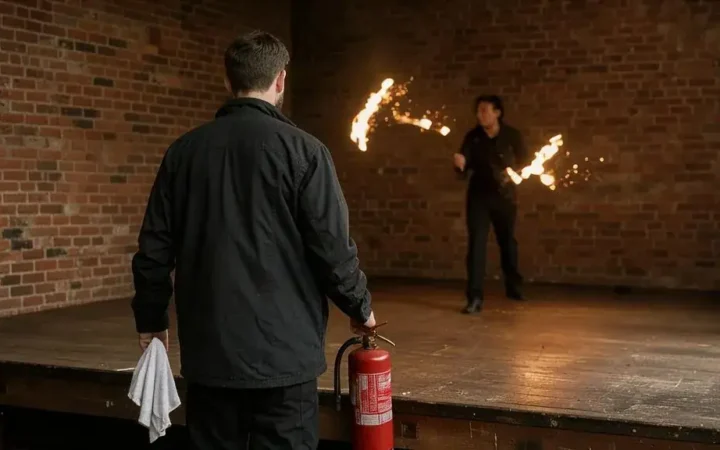
Fire watch
Safety & Permits
A trained person assigned to watch for fire hazards during an event, required when alarms are bypassed or open flame or pyro…
Read more