
Skip the browsing.

How to get a useful shortlist
The matchmaker narrows the venue directory to rooms that suit four answers: guest count, event type, area and one feature you cannot do without. Enter the guest count you expect to attend rather than the number you will invite. For weddings and private parties the two are close; for corporate events and free community events, a sizeable share of invitees often do not come, so plan on the realistic figure and confirm with the venue how far the room flexes.
Choose the event type for its layout, not its name. A wedding implies a ceremony and a dinner, which may mean two room sets or a turnover; a corporate event could be a theatre-style presentation or a standing reception. If you are unsure, pick the closest and read each profile's capacities by layout.
Choosing the one must-have
The tool asks for a single must-have on purpose. Most events have one constraint that rules out more venues than any other, and identifying it saves hours. Some common choices and what they mean in the GTA:
- Transit access matters downtown, where parking is expensive and many guests arrive by TTC or GO Transit.
- Free parking matters in the suburbs and for family events with car seats and gifts.
- Bring your own caterer matters for cultural menus, specific dietary laws or a favourite restaurant.
- Wheelchair accessible should include washrooms, the stage and any outdoor ceremony area, not just the front door.
- Outdoor ceremony space and waterfront settings are seasonal, so check the indoor alternative.
After the results
Treat the results as a starting list. Open each profile and compare minimum spend with tax and service shown, curfew, ceiling height and load-in access. Then check your layout with the venue capacity calculator, because a room that seats 200 at rounds may hold far fewer with a stage and dance floor. Book site visits for your top two or three and bring the venue tour checklist. Before signing, read the F&B minimum entry so you understand what counts toward the spend.
Use the matchmaker early in planning, ideally right after the budget is set; good venues are often the first thing to book out, and the date frequently depends on which room is free.
Related guides, venues and vendors
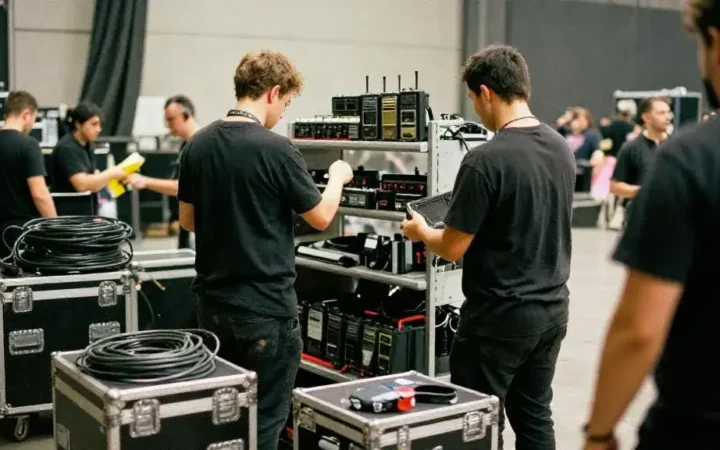
Vendor contact sheet
Templates
Everyone on site on one printed page: role, company, cell, arrival, COI, rider, paid.
Read more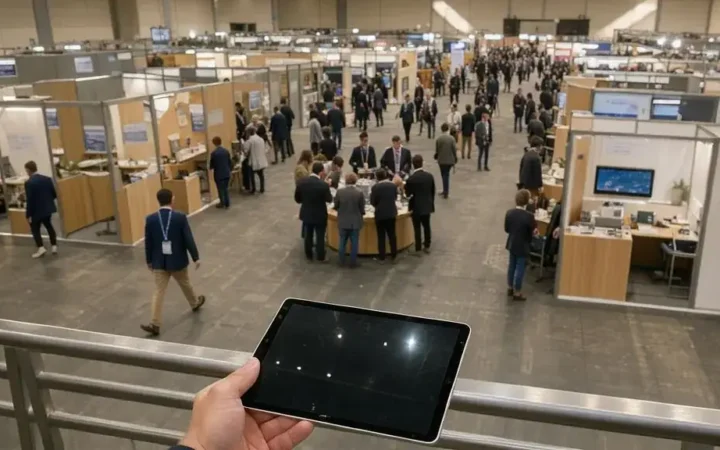
Event ROI calculator
Calculators
Cost per attendee, cost per lead, expected pipeline and ROI for corporate events.
Read more
Run of show template
Templates
A minute-by-minute run of show with cues for AV, MC, performers and catering.
Read more