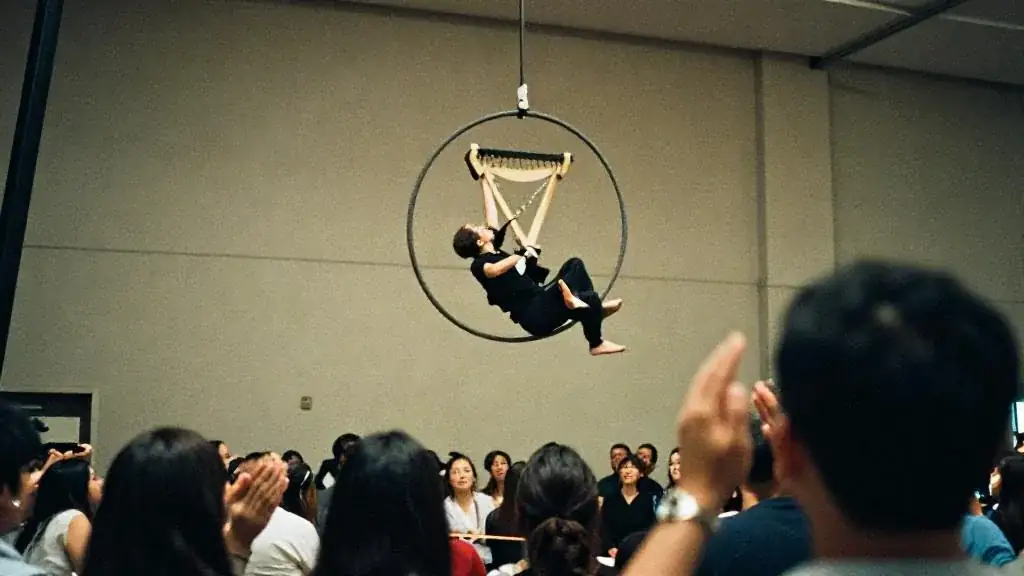
A suspended steel hoop used for aerial performance.
Read the transcript
Lyra.
A suspended steel hoop used for aerial performance.
How it works in practice.
A lyra is hung from a single point, usually with a swivel so it spins, or from two points so it stays steady.
Because the hoop itself is about a metre across and the performer works in and around it rather than dropping long distances, a lyra can perform lower than silks.
In Ontario and the GTA.
The working standard is a certified point rated for the dynamic load, typically at least 1,000 lb (450 kg) working load, engineer-confirmed, with venue approval and an insured rigger.
Ceiling height of 4.5 to 5 m is usually the minimum for lyra; 6 m or more is preferred for a full routine.
Questions to ask.
What height does your routine need, and is there a shorter version for a lower room?
Do you bring a free-standing rig, and what footprint and floor loading does it need?
More detail, examples and common mistakes are on this page, below the video.
How it works in practice
A lyra is hung from a single point, usually with a swivel so it spins, or from two points so it stays steady. Because the hoop itself is about a metre across and the performer works in and around it rather than dropping long distances, a lyra can perform lower than silks. It can also be used as a static décor piece: a performer posing in a hoop over a reception, or a champagne lyra serving drinks to guests below.
The rigging requirements are the same as for any aerial act. A low height does not mean a low load. Spins and beats generate dynamic forces, and the point must be rated for them.
In Ontario and the GTA
The working standard is a certified point rated for the dynamic load, typically at least 1,000 lb (450 kg) working load, engineer-confirmed, with venue approval and an insured rigger. Ceiling height of 4.5–5 m is usually the minimum for lyra; 6 m or more is preferred for a full routine. The typical GTA range for 2026 for an aerial duo act is $1,500–$4,000, plus rigging.
A champagne lyra adds a liquor question. Anyone who serves alcohol in Ontario needs Smart Serve certification, so ask whether the performer holds it, and confirm with the venue or caterer whose licence or permit covers the pour.
Questions to ask
- What height does your routine need, and is there a shorter version for a lower room?
- Do you bring a free-standing rig, and what footprint and floor loading does it need?
- Who rigs, and can they provide a certificate of insurance?
- For a champagne lyra, how many glasses per pass, and who refills the tray?
- How long can the performer stay in the air before a break?
Worked numbers
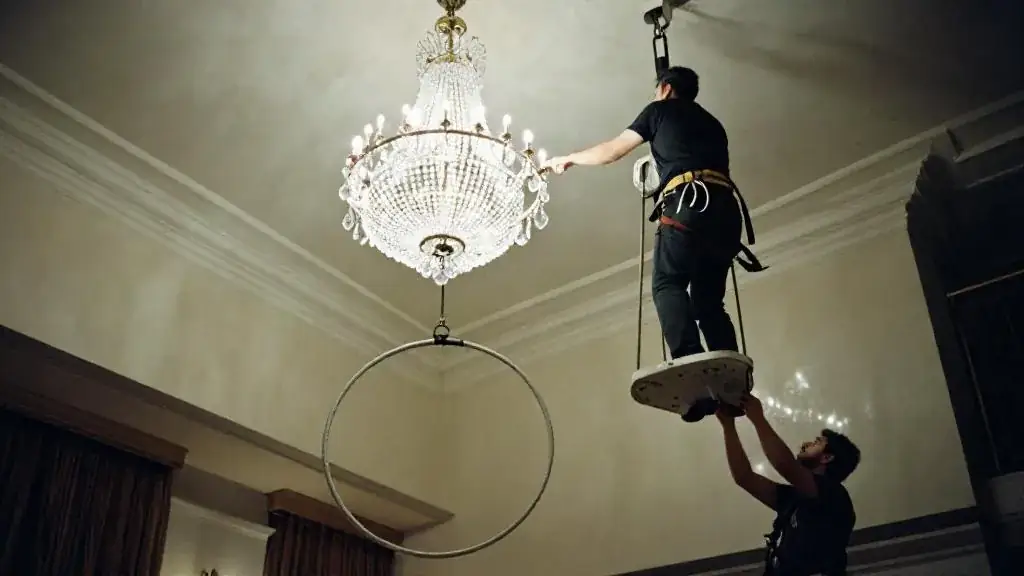
The Harbour Gala ballroom has a 4.9 m ceiling with chandeliers. That is at the bottom of the usual range, so a full spinning routine is unlikely. A low-hung static or champagne lyra at the entrance may work if the hotel has a rated point clear of the chandeliers, or if a free-standing rig fits the foyer. Measure clear height to the lowest obstruction, not to the ceiling.
Related tools
Compare with aerial silks, check rigging on the site visit with the venue tour checklist, and light the act with a pin spot so it reads in photos.
Why it matters
Slightly less height than silks (5–6 m), same rigging requirements; photographs beautifully.
Example
A champagne-serving lyra performer at a gala entrance.
Common mistakes
- Assuming a lyra can hang from a lighting truss not rated for dynamic load
Related guides, venues and vendors

F&B minimum
Business & Legal
The minimum food and beverage spend a venue requires, often in place of a rental fee.
Read more
Money dance
Weddings & Cultural
A tradition in Filipino, Polish, Greek and other weddings where guests pin or give money while dancing with the couple.
Read more
Cabaret seating
Venue & Layout
Rounds with chairs on the front two-thirds, usually 6 per table, for shows with food.
Read more