A tradition in Filipino, Polish, Greek and other weddings where guests pin or give money while dancing with the couple.
Read the transcript
Money dance.
A tradition in Filipino, Polish, Greek and other weddings where guests pin or give money while dancing with the couple.
How it works in practice.
The money dance appears in many forms.
In Filipino weddings, guests pin bills to the couple while dancing.
How to handle it.
Confirm with the couple that they want it, and how the family usually runs it.
Agree a slot on the run of show, typically after the first dances, and a length, often 10 to 15 minutes.
In Ontario and the GTA.
Most GTA banquet venues will accommodate the custom but will not take responsibility for cash on site.
Some families ask the venue to provide a lockable room; agree that in advance.
More detail, examples and common mistakes are on this page, below the video.
How it works in practice
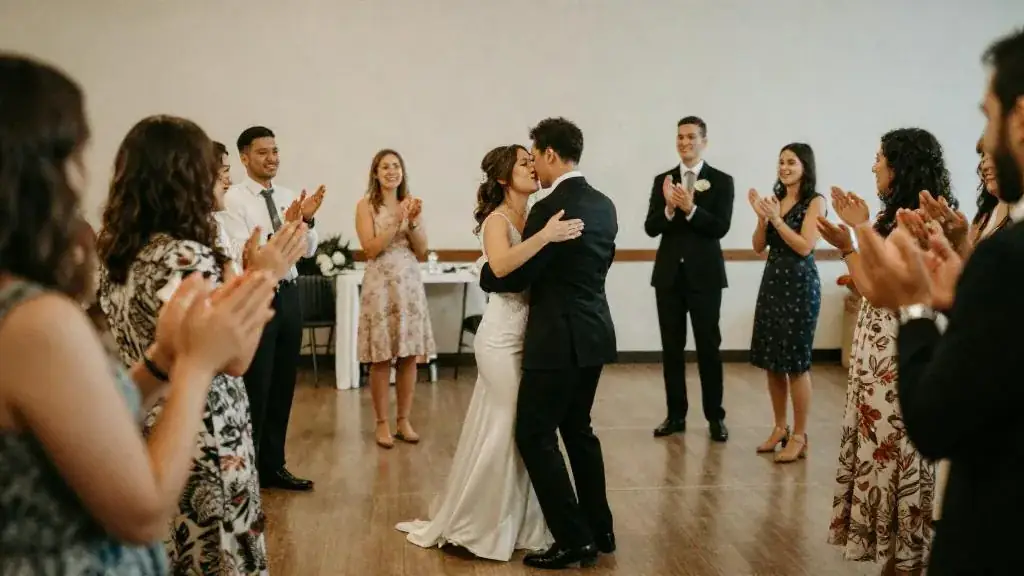
The money dance appears in many forms. In Filipino weddings, guests pin bills to the couple while dancing. In Polish and other Central European traditions, guests may pay to dance with the bride. In Greek weddings, money is often showered or tucked during dancing. In Nigerian weddings, spraying money over the couple is common. The common thread is music, a cue, a line of guests and real cash moving around the dance floor.
That last part is the planning issue. A money dance can raise a meaningful sum, and loose cash at a busy party needs a plan for collecting, counting and storing it.
How to handle it
- Confirm with the couple that they want it, and how the family usually runs it.
- Agree a slot on the run of show, typically after the first dances, and a length, often 10 to 15 minutes.
- Give the DJ or band the cue and a playlist long enough to cover it.
- Have the MC explain how it works, because mixed guest lists may not know the custom.
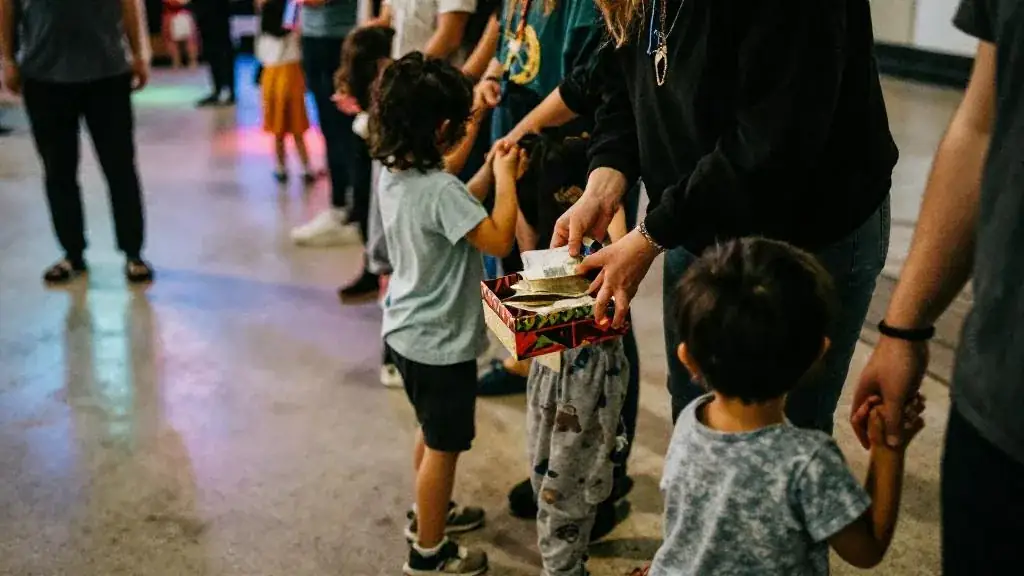
- Supply what is needed: pins, a decorated basket or bag, sometimes a money apron.
- Assign two trusted people to collect, count together and lock the cash away immediately after.
- Arrange where the cash goes for the rest of the night: a locked room, a safe, or a family member leaving early.
In Ontario and the GTA
Most GTA banquet venues will accommodate the custom but will not take responsibility for cash on site. Some families ask the venue to provide a lockable room; agree that in advance. If any of the guests are uncomfortable with the custom, the MC can frame it as optional with a light touch. Cash gifts to a couple are personal gifts; if a client asks about tax treatment, refer them to their own accountant rather than giving an answer.
Questions to ask
- Who collects the money, and where is it stored overnight?
- Will there be a line, and who manages it?
- Do the photographer and videographer know when it starts?
- Should older relatives go first, and is there a set order?
The day-of emergency kit list is a good place to add the pins and spare envelopes.
Why it matters
Needs a music cue, pins, a basket and a person to collect; usually 10–15 minutes.
Example
A money dance after the first dance at a Filipino wedding.
Common mistakes
- No one assigned to collect
- No pins
Related guides, venues and vendors
HST
Business & Legal
Ontario's 13% Harmonized Sales Tax, applied to most event goods and services.
Read more
Indemnity
Business & Legal
A promise by one party to cover the other's losses in defined situations.
Read more
Uplighting
Production & AV
LED fixtures placed on the floor against walls and columns to wash them in colour.
Read more