A promise by one party to cover the other’s losses in defined situations.
Read the transcript
Indemnity.
A promise by one party to cover the other's losses in defined situations.
How it works in practice.
An indemnity clause moves a risk from one party to another.
"The Client shall indemnify the Venue against all claims arising from the event" means that if a guest is hurt and sues the venue, the venue can turn to the client to pay.
Questions to ask.
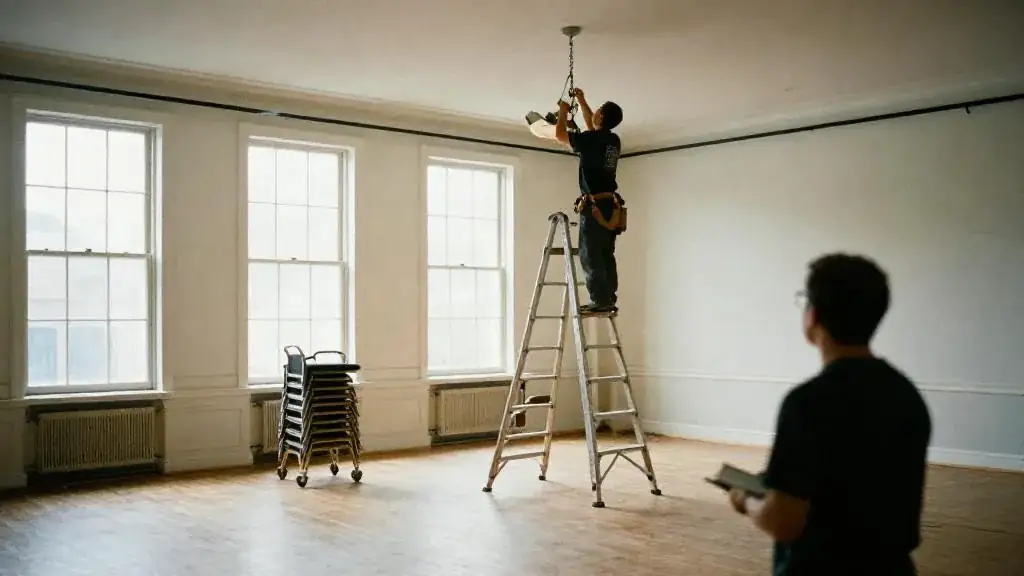
Is the indemnity mutual? A fair venue clause covers losses the venue causes too, such as a failed ceiling fixture or a wet floor its own staff left.
Does it exclude the other party's own negligence? "All claims, however caused" is a red flag.
How to handle it.
Read every indemnity clause before signing and highlight who is covering whom.
Ask the venue to add "except to the extent caused by the negligence of the Venue, its staff or contractors".
More detail, examples and common mistakes are on this page, below the video.
How it works in practice
An indemnity clause moves a risk from one party to another. “The Client shall indemnify the Venue against all claims arising from the event” means that if a guest is hurt and sues the venue, the venue can turn to the client to pay. That is a large promise for a client who signs it without reading it, and it usually sits in the boilerplate between the room set and the parking terms.
Indemnities run in chains. The venue asks the client to indemnify it. The client, or the planner acting for the client, should then ask each vendor to indemnify the client for losses the vendor causes. An aerial act that drops a rigging clamp, a caterer who gives a guest food poisoning, a DJ whose cable trips a server: each of those should land on the vendor and the vendor’s insurer, not on the host.
An indemnity is only as good as the money behind it. That is why it travels with a certificate of insurance. A small vendor with no insurance can sign a generous indemnity and still have nothing to pay with.
Questions to ask
- Is the indemnity mutual? A fair venue clause covers losses the venue causes too, such as a failed ceiling fixture or a wet floor its own staff left.
- Does it exclude the other party’s own negligence? “All claims, however caused” is a red flag.
- Is there a cap, or is it unlimited?
- Does my event insurance policy cover contractual liability I take on by signing this?
- Have my vendors signed an indemnity back to me that matches what I gave the venue?
How to handle it
- Read every indemnity clause before signing and highlight who is covering whom.
- Ask the venue to add “except to the extent caused by the negligence of the Venue, its staff or contractors”.
- Send the clause to your insurance broker and confirm the policy responds to it.
- Put a matching indemnity in every vendor contract and collect their COIs at the same time.
- Keep signed copies in one folder with the risk register so the chain is easy to check.
For large or unusual events, a lawyer reading the venue contract for an hour costs far less than one uncovered claim.
Why it matters
Venues ask you to indemnify them; your vendors should indemnify you. Read who is covering whom.
Example
A venue contract requires the client to indemnify the venue for guest damage.
Common mistakes
- Signing an uncapped indemnity
Related guides, venues and vendors

Cash bar vs open bar
Food & Beverage
Open bar: the host pays for drinks, usually per person per hour. Cash bar: guests pay. Toonie bar: guests pay a token…
Read more
Set length
Entertainment
The duration of a performance segment.
Read more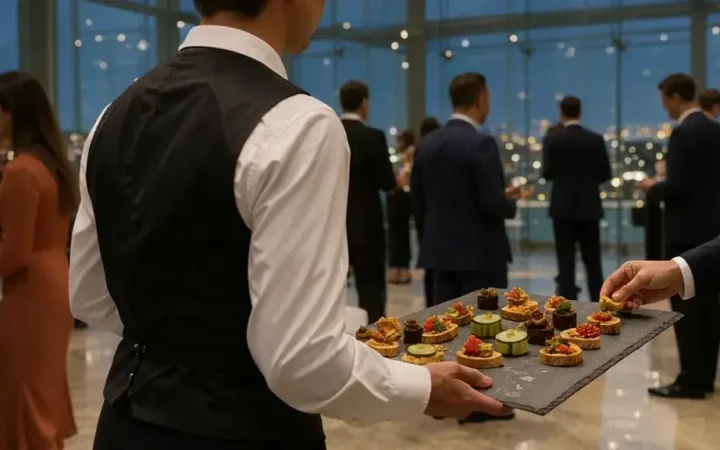
Pass-around
Food & Beverage
Hors d'oeuvres served on trays by circulating staff during a reception.
Read more