The groom’s procession to the wedding venue, with music, dancing and often a horse or car.
Read the transcript
Baraat.
The groom's procession to the wedding venue, with music, dancing and often a horse or car.
How it works in practice.
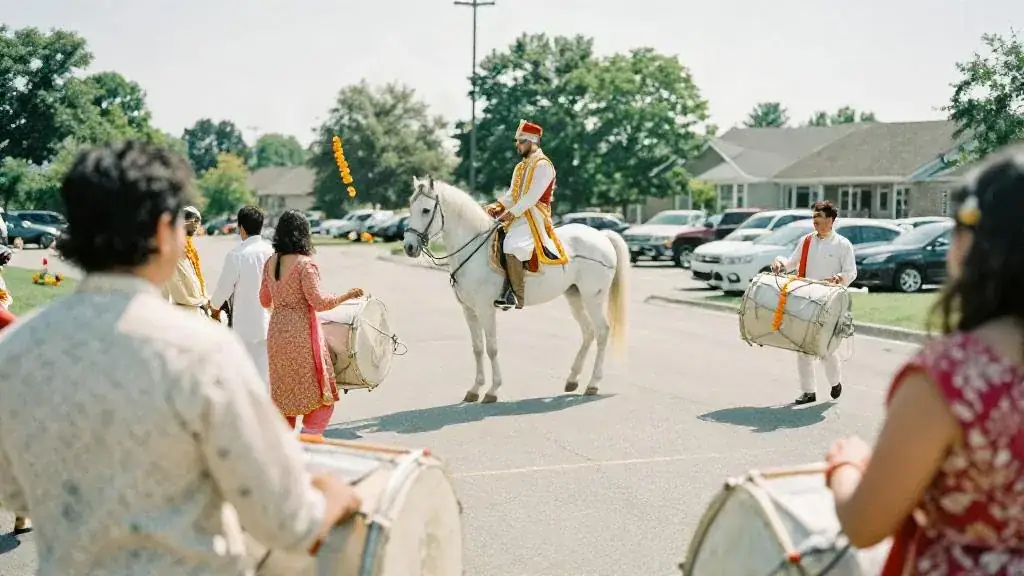
The baraat is the groom side arriving at the wedding as a moving celebration.
Dhol players set the pace, family and friends dance, and the groom often arrives on a horse or in a decorated car.
How to handle it.
Walk the route with the venue. Most GTA banquet halls allow baraats in their own parking lot and have a standard area for it.
If the route uses a public road or sidewalk, ask the municipality what permit or police involvement is required. Rules vary by city, so do not assume.
In Ontario and the GTA.
Mississauga and Brampton banquet halls see baraats every weekend in season and usually have firm rules about horses, fireworks and clean-up.
Fireworks and any pyrotechnics are a separate issue: they need venue approval and usually fire department approval, and anything beyond consumer fireworks requires a licensed pyrotechnician.
More detail, examples and common mistakes are on this page, below the video.
How it works in practice
The baraat is the groom side arriving at the wedding as a moving celebration. Dhol players set the pace, family and friends dance, and the groom often arrives on a horse or in a decorated car. The procession ends at the venue entrance, where the bride family receives it with its own rituals (in many traditions, the milni). It is loud, joyful and almost always longer than scheduled.
Because it is outdoors and in motion, a baraat raises questions most wedding elements do not: where exactly it can happen, whether it touches a public road, how loud it can be and who keeps it on time.
How to handle it
- Walk the route with the venue. Most GTA banquet halls allow baraats in their own parking lot and have a standard area for it.
- If the route uses a public road or sidewalk, ask the municipality what permit or police involvement is required. Rules vary by city, so do not assume.
- Book the dhol players and any horse provider early, and get their insurance certificates for the venue.
- Set a hard start and end time. Assign a family member as timekeeper who has authority to move the procession along.
- Plan what the guests do while waiting at the entrance, and where the bride side gathers.
- Arrange the photographer and videographer positions: one leading the procession, one at the entrance.
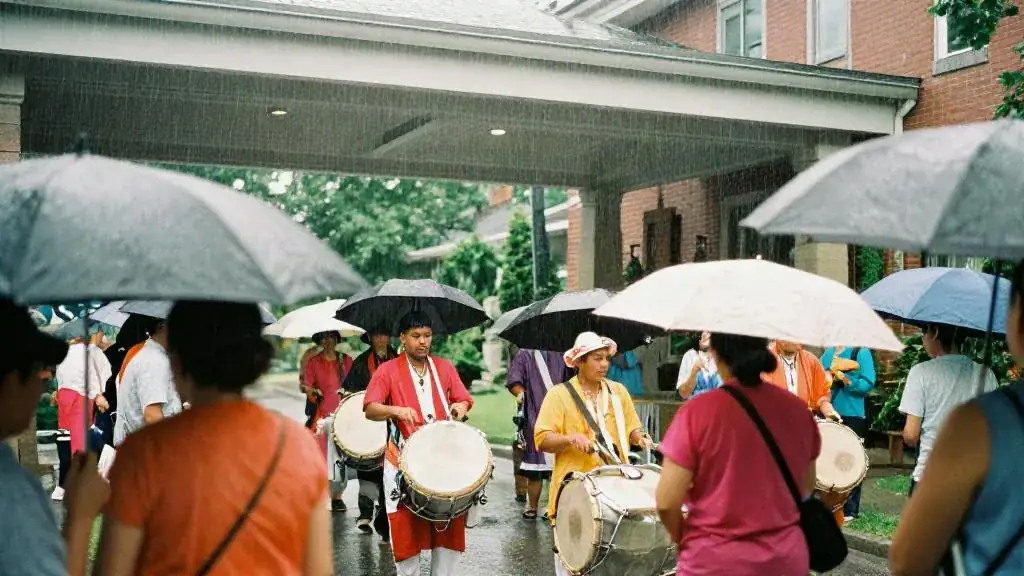
- Have a weather plan, including a covered entrance option.
In Ontario and the GTA
Mississauga and Brampton banquet halls see baraats every weekend in season and usually have firm rules about horses, fireworks and clean-up. Fireworks and any pyrotechnics are a separate issue: they need venue approval and usually fire department approval, and anything beyond consumer fireworks requires a licensed pyrotechnician. Amplified sound outdoors may need a noise exemption in some cities; in Toronto that takes about four weeks to process.
Questions to ask
- Where on the property can the baraat run, and for how long?
- Are horses permitted, and what clean-up or deposit applies?
- Does the venue require a COI from the horse and dhol providers?
- What is the backup entrance if it rains?
Put the baraat on the run of show with a 15-minute buffer after it.
Why it matters
Needs a route, a permit for street use in some municipalities, dhol players and timing with the venue.
Example
A 30-minute baraat with dhol players in a Mississauga banquet hall parking lot.
Common mistakes
- No permit for a road procession
- Starting the baraat without telling the venue
Related guides, venues and vendors
Tech rider
Entertainment
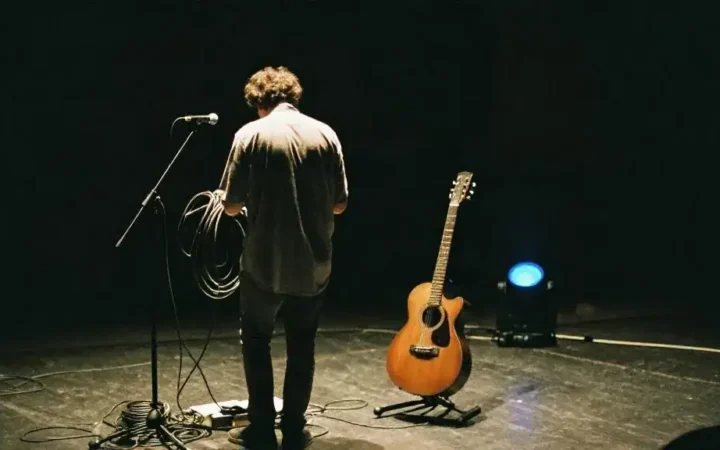
A document listing what a performer needs from the venue: stage, sound, lighting, power, green room, timing.
Read more
Comp ratio
Business & Legal
The number of complimentary rooms or tickets a venue grants per number booked.
Read more
Mentalism
Entertainment
Performance that appears to read minds, predict choices and influence decisions.
Read more