A document listing what a performer needs from the venue: stage, sound, lighting, power, green room, timing.
Read the transcript
Tech rider.
A document listing what a performer needs from the venue: stage, sound, lighting, power, green room, timing.
How it works in practice.
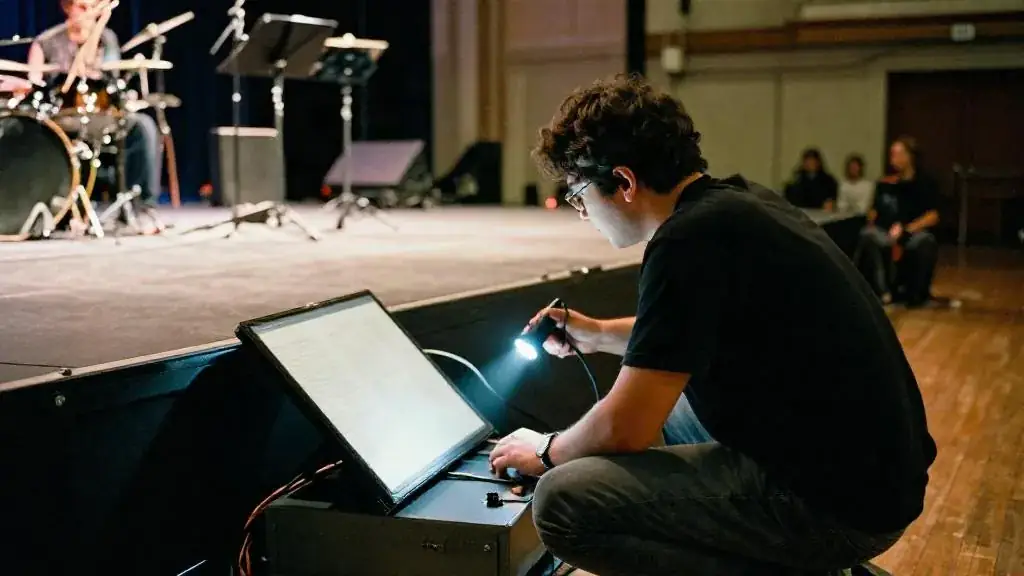
A tech rider turns a performer into a list of physical and technical needs: stage size, sound inputs, microphones, lighting states, power, a green room, parking and timing.
Some riders run one page.
How to handle it.
Forward the rider to the venue and the AV supplier the day you receive it.
Mark each item: venue supplies, AV supplies, performer brings, or declined.
Questions to ask.
Which items are essential and which are preferences?
Does the act bring its own sound operator, or use the house technician?
More detail, examples and common mistakes are on this page, below the video.
How it works in practice
A tech rider turns a performer into a list of physical and technical needs: stage size, sound inputs, microphones, lighting states, power, a green room, parking and timing. Some riders run one page. A touring band can send twelve. Either way it is a contract document, usually attached to the performance agreement, so treat each line as something you have either agreed to supply or have struck out in writing.
Riders tend to describe ideal conditions. Your job is to compare the rider against the room and the AV order, then resolve every gap before the day. Most event-day disputes between performers and venues trace back to a rider nobody forwarded.
How to handle it
- Forward the rider to the venue and the AV supplier the day you receive it.
- Mark each item: venue supplies, AV supplies, performer brings, or declined.
- Send declined items back to the performer with a proposed alternative, and get a written yes.
- Check the power. Bands and lighting rigs often need dedicated circuits that older venues do not have near the stage.
- Confirm stage dimensions against the riser plan and the ceiling height.
- Copy the final rider requirements into the run of show and the production schedule.
- Bring a printed copy on the day.
Questions to ask
- Which items are essential and which are preferences?
- Does the act bring its own sound operator, or use the house technician?
- How long is the sound check, and when does it need to happen?
- What happens if a requirement cannot be met: does the act still perform, and at what length?
- Are there hospitality items (meals, water, parking) that need to go on the venue order?
In Ontario and the GTA
Downtown Toronto hotels usually require that outside AV be coordinated through their in-house partner or pay a patch fee, so check the venue contract before promising a performer their own sound system. Venues will also want a COI from any performer bringing equipment. Fire, haze and pyrotechnic lines in a rider need venue approval and often fire department approval; indoor pyro requires a licensed pyrotechnician.
Related tools
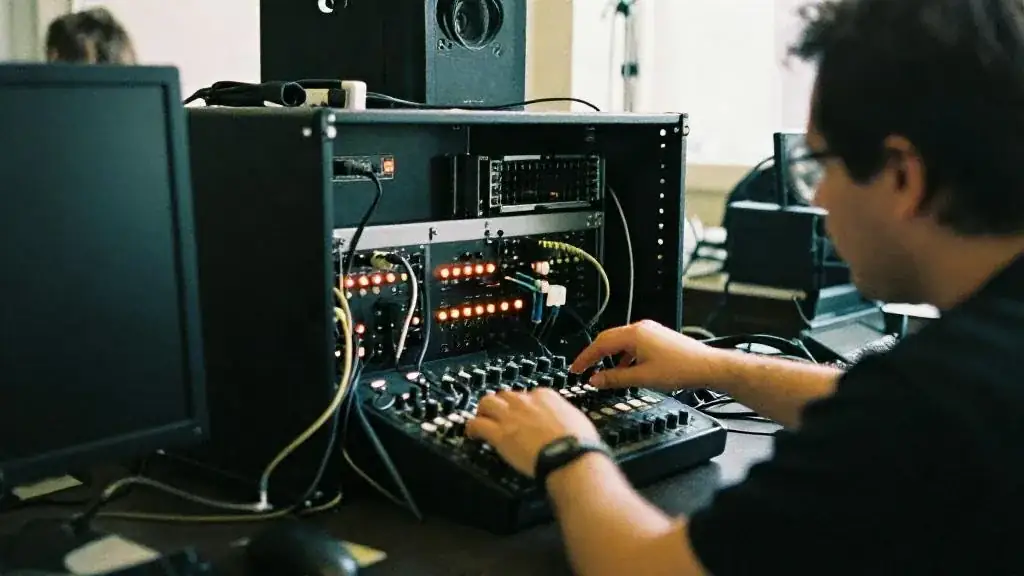
The performer tech rider template gives you a standard format for acts that do not have their own.
Why it matters
Forward it to the venue the day you get it; it prevents most event-day disputes.
Example
A rider asks for a 4 × 3 m stage, wireless headset mic, blackout and a lockable green room.
Common mistakes
- Receiving a rider and not forwarding it
- Assuming the venue has what the rider lists
Related guides, venues and vendors
Production schedule
Production & AV
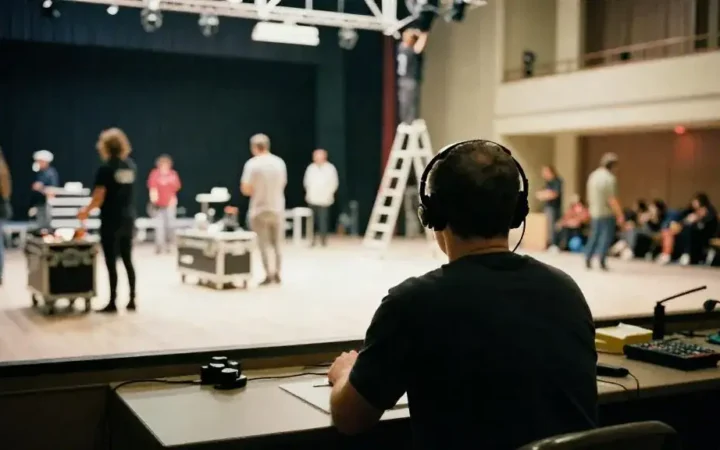
The load-in, set-up, rehearsal, show and strike schedule for technical crews, usually spanning the day before to the day after.
Read more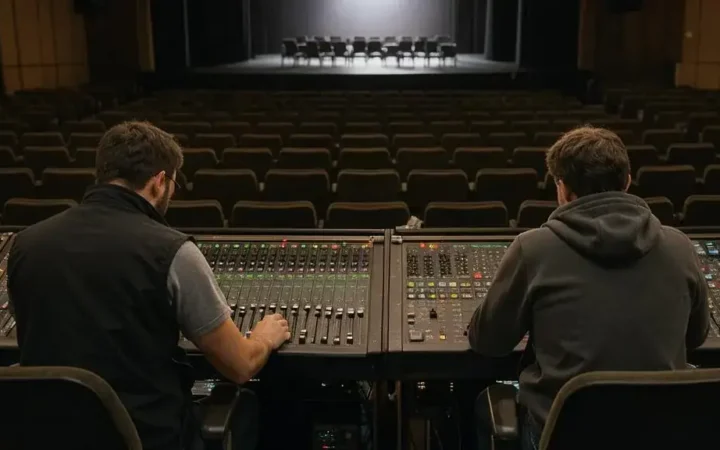
Front of house
Production & AV
The area and the technical position facing the stage where sound and lighting are controlled; also the guest-facing side of an operation.
Read more
Deposit
Business & Legal
A partial payment at signing that holds the date; usually 25–50% in the GTA.
Read more