The load-in, set-up, rehearsal, show and strike schedule for technical crews, usually spanning the day before to the day after.
Read the transcript
Production schedule.
The load-in, set-up, rehearsal, show and strike schedule for technical crews, usually spanning the day before to the day after.
How it works in practice.
The production schedule is written for crews, not guests.
It starts with the first truck at the dock and ends when the last case leaves.
Worked numbers.
A typical one-day schedule for a hotel ballroom gala:
How to handle it.
Get the venue access time, dock window and curfew in writing first.
Collect every vendor's required set-up and strike time, and every tech rider.
More detail, examples and common mistakes are on this page, below the video.
How it works in practice
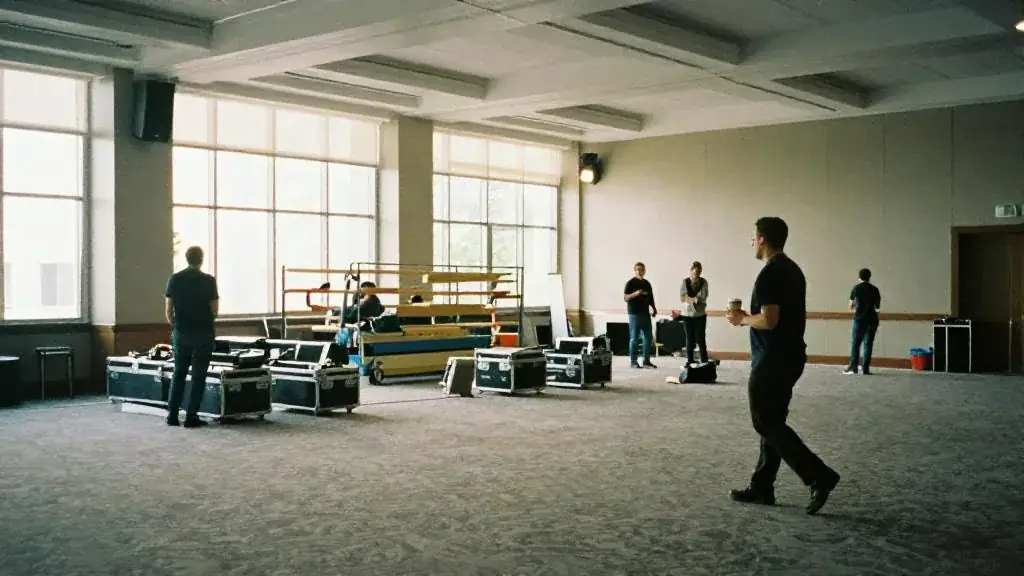
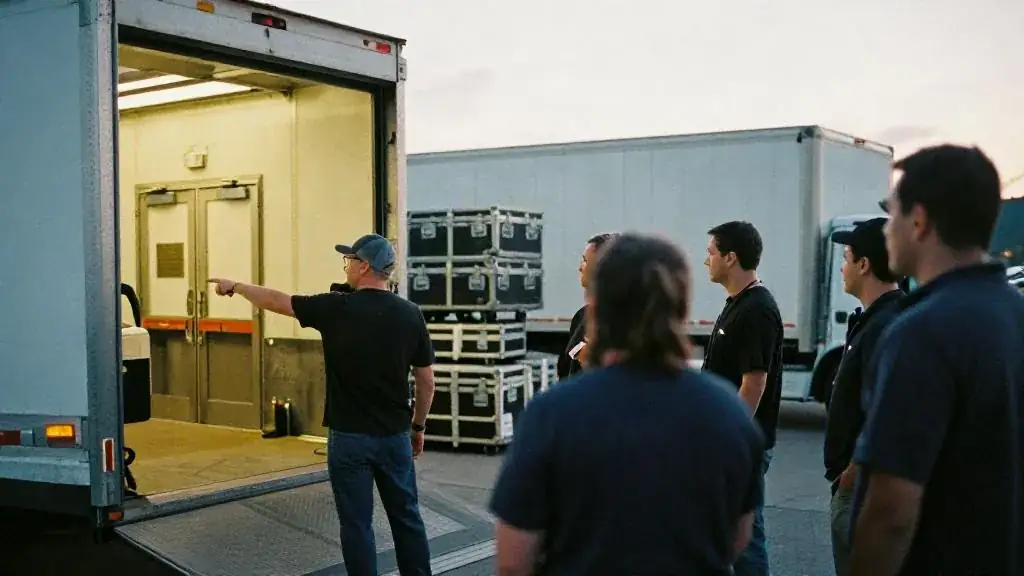
The production schedule is written for crews, not guests. It starts with the first truck at the dock and ends when the last case leaves. Each row has a time, a task, the crew responsible and the area they need: the dock, the freight elevator, the ballroom floor, the stage. It usually spans the day before to the day after, because larger shows load in overnight or strike the next morning.
The order matters. Rigging and overhead truss go first, before anything is on the floor. Then staging, then lighting focus, then sound, then decor and table setting, then rehearsals and sound check. Florals arrive late because they wilt. Doors open only after the room is clean.
Build in slack. In our experience, the first two hours of any load-in run late, and a 30-minute buffer before sound check is cheaper than a band still line-checking as guests walk in.
Worked numbers
A typical one-day schedule for a hotel ballroom gala:
| Time | Task | Owner |
|---|---|---|
| 08:00 | Load-in, AV and staging | AV lead |
| 09:00 | Stage and drape built | Staging crew |
| 11:00 | Lighting hung and focused | Lighting designer |
| 13:00 | Room set by banquet staff | Banquet captain |
| 15:00 | Sound check, band and speakers | Audio engineer |
| 16:30 | Performer rehearsal, cues walked | Stage manager |
| 17:30 | Florals and final decor | Florist |
| 18:00 | Doors | Planner |
| 23:30 | Strike begins | All vendors |
How to handle it
- Get the venue access time, dock window and curfew in writing first.
- Collect every vendor’s required set-up and strike time, and every tech rider.
- Sequence the trades so nobody is waiting on another crew.
- Reconcile it with the BEO and the run of show.
- Send it to every crew lead and the venue, and name one person who takes calls on the day.
Related tools
Use the run-of-show template with an extra tab for crews, and the vendor contact sheet so every crew lead’s mobile is on one page.
Why it matters
It is the run of show for everything that happens before doors open.
Example
Load-in 08:00, staging 09:00, lighting 11:00, sound check 15:00, doors 18:00, strike 23:30.
Common mistakes
- No dock or elevator times
- Décor scheduled before staging
Related guides, venues and vendors
Hora
Weddings & Cultural
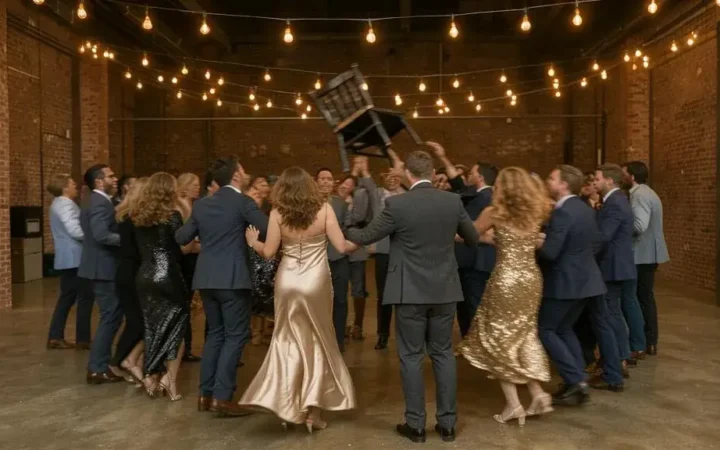
The circle dance at Jewish weddings in which the couple is lifted on chairs.
Read more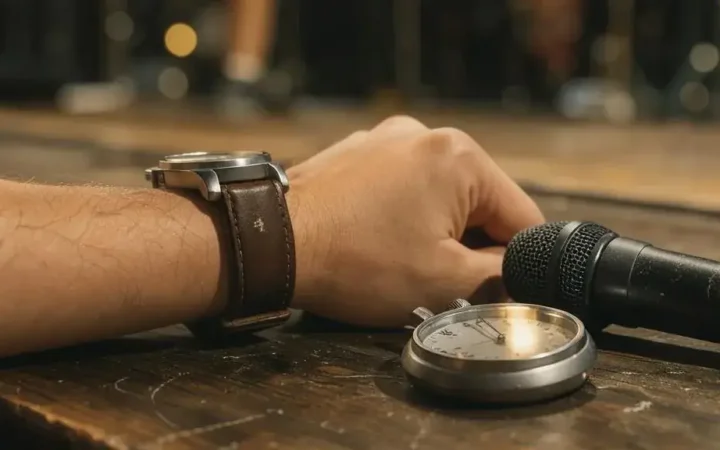
Set length
Entertainment
The duration of a performance segment.
Read more
Money dance
Weddings & Cultural
A tradition in Filipino, Polish, Greek and other weddings where guests pin or give money while dancing with the couple.
Read more