A DJ covers the dancing. These cover everything else.
Read the transcript
Wedding entertainment beyond the DJ.
A DJ covers the dancing.
These cover everything else.
Cocktail hour.
Close-up magician (one per 60 to 80 guests)
The photo gap.
A 10-minute Cyr wheel or aerial spectacle (check ceiling and rigging)
Cultural moments.
Lion dance for a Chinese banquet
Hora band for a Jewish wedding
Late night.
LED or glow act at midnight
Use the entertainment finder for your format and room, then browse entertainment in the Directory.
There is more on this page, just below the video.
Cocktail hour
- Close-up magician (one per 60–80 guests)
- Jazz trio or strings
- Caricaturist
- Mentalist for smaller, sophisticated groups
The photo gap
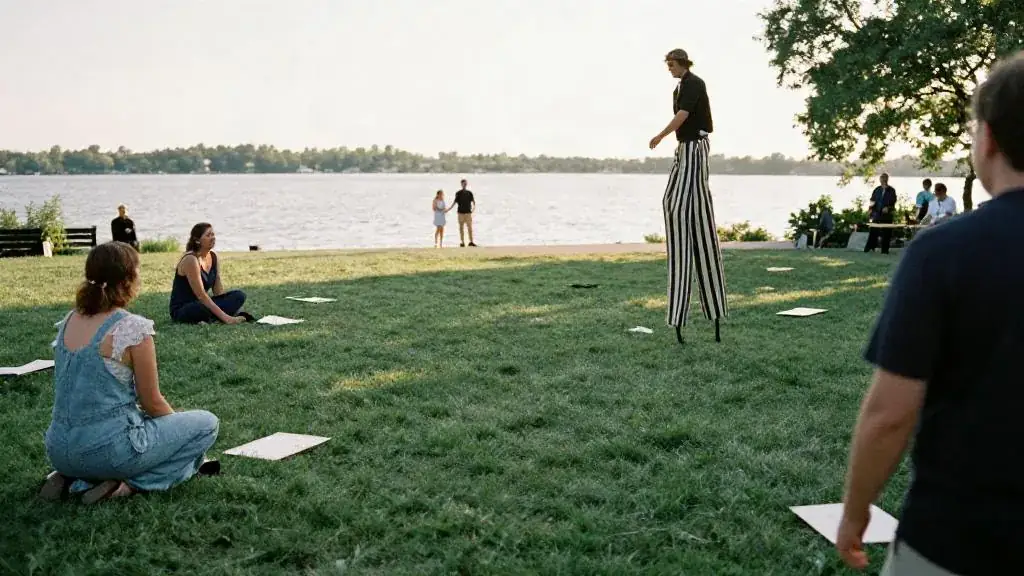
- Lawn games with a host
- Roaming juggler or stilt walker
- A 10-minute Cyr wheel or aerial spectacle (check ceiling and rigging)
Cultural moments
- Dhol players for a baraat
- Lion dance for a Chinese banquet
- Hora band for a Jewish wedding
- Steel pan for a Caribbean reception
Late night
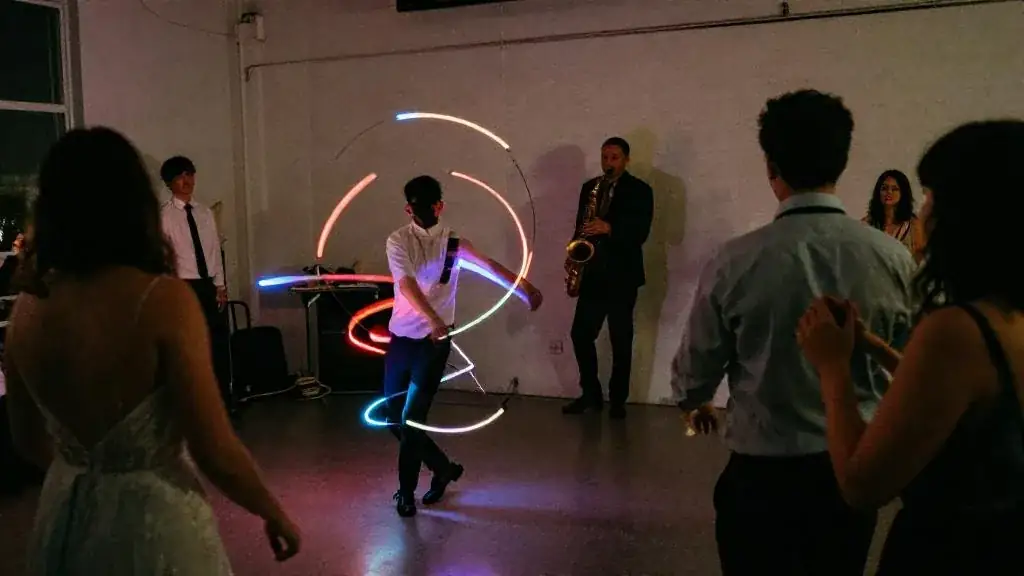
- LED or glow act at midnight
- Live sax over the DJ
- A second-wind food truck
Use the entertainment finder for your format and room, then browse entertainment in the Directory.
Fitting entertainment into the day
The best wedding entertainment fills a gap in the schedule rather than competing with something else. Cocktail hour is the natural home for roaming acts, because guests are standing, mingling and often waiting while the couple are away for photos. Dinner is best left to conversation and speeches, with perhaps quiet music. The period between dinner and the first dance, when tables are cleared and energy dips, is where a short featured act works well. Late night belongs to the dance floor, with something to lift it if the room starts to thin. Build the timing into your wedding timeline and share it with every act.
Matching acts to the room
Check the venue before you fall for an act. Aerial performers need a certified rigging point and enough clear height, which many banquet halls and restaurant spaces do not have. Fire acts usually need venue approval and are often limited to outdoor spaces. Stilt walkers need headroom in doorways and a clear floor. A string quartet needs chairs without arms and a spot away from the bar noise. Roaming magicians and caricaturists need almost nothing, which is part of their appeal for smaller rooms. The article on ceiling height for aerialists explains the numbers to ask about.
Cultural traditions and timing
When entertainment is part of a cultural tradition, ask family members or your officiant how it is usually done and when it belongs in the day. A baraat procession needs space outdoors and sometimes notice to the venue about noise. A lion dance is often timed to the couple's arrival at the banquet and may need a clear route through the room. Musicians for a hora need to coordinate with the DJ for the handover. The Academy lesson on cultural weddings covers these in more depth.
Booking and briefing
Confirm each act in writing with arrival time, set times, location, attire, what the venue provides and what the act brings, along with the deposit and cancellation terms. Give the venue a copy of each performer's certificate of insurance if requested. Feed performers who are on site through a meal, and give the DJ or MC a list of introductions and cues. On the day, assign one person other than the couple to greet acts and answer their questions, so nobody needs to find the bride or groom to ask where to set up.
Related guides, venues and vendors
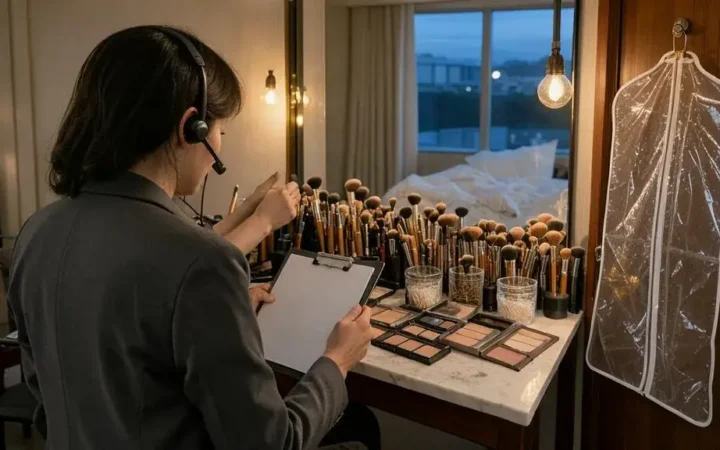
The wedding-day run of show
Specialist · Weddings · 15 min
A real 14-hour run of show from hair and makeup to last dance, with vendor cues.
Read more
The Robert McLaughlin Gallery
Oshawa · up to 250 guests
Licensed bar
The gallery building, about 36,000 sq ft, was designed by architect Arthur Erickson and sits in Oshawa's Civic Centre.
Read more
Stage & close-up mentalist · Magic Magic roster
Entertainment, Mentalists
Mentalist for corporate events and private parties, performing stage and close-up mind reading across the GTA.
Read more