Ceremony elements, multi-day structures, venue requirements, entertainment traditions and etiquette for the GTA’s largest wedding communities.
Read the transcript
Cultural weddings: South Asian, Chinese, Jewish, Italian, Caribbean, Filipino, Persian.
Ceremony elements, multi-day structures, venue requirements, entertainment traditions and etiquette for the GTA's largest wedding communities.
Start with questions, not assumptions.
The GTA is one of the most diverse wedding markets anywhere, and the planner who assumes they know what a "Hindu wedding" or an "Italian wedding" looks like is the planner who gets corrected by an aunt in front of the couple.
Families vary by region, by religious observance and by how many generations they have been in Canada.
Community summary for planners.
Treat the table as a map of what to ask about, not a script.
The families will tell you which elements they keep.
What changes for the planner.
Three things change in practice.
A multi-day wedding is three or four events with separate venues, vendors and run-of-show documents, and the wedding day itself can start at dawn for a morning ceremony.
Entertainment and etiquette.
Many of these weddings have a procession, a dance or a ceremony moment that must be timed to the minute and announced correctly.
Give the MC a pronunciation guide and the names of the sponsors, elders and family members who will be called up.
Worked example: the Ferreira–Khan wedding.
Ana is Portuguese Catholic; Omar's family is Pakistani and Muslim.
The families agreed on four events: a mehndi on Thursday evening hosted by the Khans (women-centred, dhol, henna artist, halal buffet, no alcohol), a Saturday morning church ceremony, a short nikah with the imam in a side room of the loft before the reception, and the loft reception for 160.
That is the lesson. The worksheet and the quiz are just below this video.
Start with questions, not assumptions
The GTA is one of the most diverse wedding markets anywhere, and the planner who assumes they know what a “Hindu wedding” or an “Italian wedding” looks like is the planner who gets corrected by an aunt in front of the couple. Families vary by region, by religious observance and by how many generations they have been in Canada. Every tradition below has observant and relaxed versions, and the couple’s version is the only one that matters.
Ask the same five questions of every family, early, and write the answers into the brief: Which ceremonies are happening, over how many days, and who leads each one? What does each ceremony need in the space (fire, water, a canopy, an altar, separate seating, a direction to face)? What are the rules on food, alcohol and mixing? What music, dance or processions are expected, and who performs them? Who are the people who must be consulted before a decision is final?
Community summary for planners
| Community | Common structure | Space and catering implications | Entertainment often expected |
|---|---|---|---|
| Hindu (South Asian) | Often multi-day: pre-wedding rites, mehndi, sangeet, the wedding ceremony, reception | Mandap (canopy) with a sacred fire; venue must approve open flame; usually vegetarian ceremony meals; large guest counts | Baraat (groom’s procession) with dhol, DJ, choreographed family dances at sangeet |
| Sikh | Anand Karaj at a gurdwara, usually in the morning; reception separately, often same day or next | Shoes off and heads covered in the gurdwara; langar (community meal) is vegetarian and served by the gurdwara; no alcohol or meat on gurdwara premises | Baraat with dhol; reception may include bhangra, DJ and live singers |
| Muslim (South Asian and other) | Nikah (marriage contract), often with mehndi before and walima (reception hosted by the groom’s family) after | Halal catering; often no alcohol; some families seat men and women separately or have a women-only mehndi; prayer space and timing around daily prayers | Dhol, qawwali or nasheed performers, DJ for mixed events where appropriate |
| Chinese | Tea ceremony with both families, often morning; banquet reception in the evening, frequently with a civil or church ceremony as well | Multi-course banquet, sometimes at a Chinese banquet hall with its own kitchen; red and gold decor; several outfit changes need a changing room near the ballroom | Lion dance at the entrance, games for the groom and groomsmen in the morning, MC-led toasting |
| Jewish | Ketubah signing, bedeken (veiling), chuppah ceremony, yichud (private moment), reception | Chuppah canopy; kosher or kosher-style catering depending on observance; Saturday ceremonies typically after sundown; no weddings on Shabbat for observant families | Hora with chairs lifted (strong floor, space), klezmer or band, often a surprise element during dancing |
| Italian | Catholic Mass, long reception with many courses, late-night sweet table | Banquet halls built for this format; antipasto, pasta, main, then a sweet table that is a centrepiece in its own right; count on a long evening | Live band or DJ with tarantella, sometimes a singer during dinner, MC family toasts |
| Caribbean | Church or civil ceremony and a reception; some families include cultural touches from Jamaica, Trinidad, Guyana and other islands | Food is central; rum cake or black cake; large extended-family counts; ask about a late-night food service | Steelpan, DJ playing soca, reggae and dancehall, sometimes a carnival-style section |
| Filipino | Catholic Mass with sponsors (ninong and ninang) and ritual elements such as the veil, cord and coins; reception | Many sponsors to seat near the front; money dance; Catholic ceremony requirements for the church | Money dance with a specific song, DJ, family performances, often a long program of toasts |
| Persian (Iranian) | Aghd (ceremony at the sofreh aghd spread) and a reception; sometimes separated by days | The sofreh aghd needs a low table or floor spread, with a mirror, candles and specific items; venue approval for candles; space for the ceremony to be seen from all sides | Knife dance (raghs-e chagoo) before the cake, DJ with Persian music, sometimes live musicians |
Treat the table as a map of what to ask about, not a script. The families will tell you which elements they keep.
What changes for the planner
Three things change in practice. First, time. A multi-day wedding is three or four events with separate venues, vendors and run-of-show documents, and the wedding day itself can start at dawn for a morning ceremony. Price your fee for the number of events, not the number of couples.
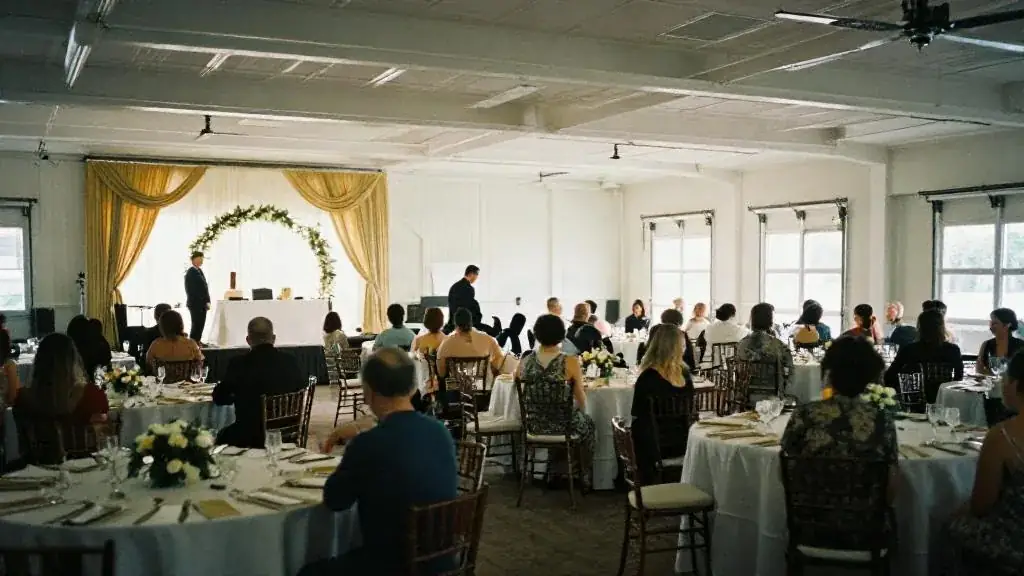
Second, the space. Open flame for a mandap or a sofreh aghd needs venue approval; many hotels permit only enclosed candles and some will not allow a sacred fire indoors at all, so ask before the tour, not after the deposit. A hora needs a solid dance floor and room around it. A tea ceremony needs a quiet room with seating for elders. Separate seating, prayer rooms and women-only sections need their own floor plans, which the venue capacity calculator can check against the posted occupant load.
Third, catering and bar. Halal, kosher, vegetarian-only and no-alcohol requirements rule out some venues and change the economics of others: a venue with an F&B minimum built around bar sales will be expensive for a dry wedding. Ask every venue about outside caterers, kitchen access and whether a cultural caterer can bring its own equipment.
Entertainment and etiquette
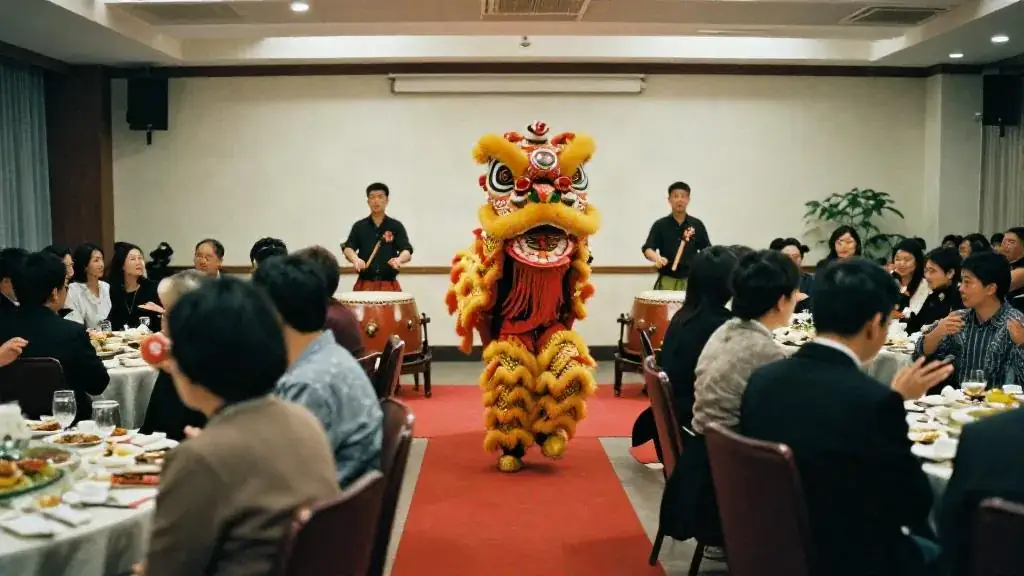
Many of these weddings have a procession, a dance or a ceremony moment that must be timed to the minute and announced correctly. Give the MC a pronunciation guide and the names of the sponsors, elders and family members who will be called up. Brief the DJ on which songs are reserved for specific moments (the money dance, the first dance, the knife dance, the hora) and which songs are off-limits. Book the dhol player or lion dance troupe for a specific window and tell the venue what will arrive and when. Use the entertainment finder for performers who list cultural repertoire; listings owned by the site founder carry a visible disclosure and no ranking preference.
Worked example: the Ferreira–Khan wedding
Ana is Portuguese Catholic; Omar’s family is Pakistani and Muslim. The families agreed on four events: a mehndi on Thursday evening hosted by the Khans (women-centred, dhol, henna artist, halal buffet, no alcohol), a Saturday morning church ceremony, a short nikah with the imam in a side room of the loft before the reception, and the loft reception for 160. The reception bar was open but the Khan family tables were seated away from it and the caterer ran a fully halal menu so that nobody had to ask what was on their plate. The band played a Portuguese set during dinner and a Punjabi set to open the dance floor, with Omar’s cousins doing a choreographed entrance. Two MCs, one from each family, shared the script, and we rehearsed every name.
Common mistakes
- Assuming the couple wants everything the tradition offers. Ask which elements they are keeping.
- Booking a venue before confirming open flame, outside catering and alcohol rules.
- Treating a multi-day wedding as one event in the contract, the fee and the run of show.
- Not writing down who has final say in each family, then discovering it at the tasting.
- Letting the MC improvise names, titles and pronunciations.
Worksheet
Apply this lesson to a real or practice event using the worksheet, then mark the lesson complete to track your progress toward the certificate.
Related guides, venues and vendors
C Banquets
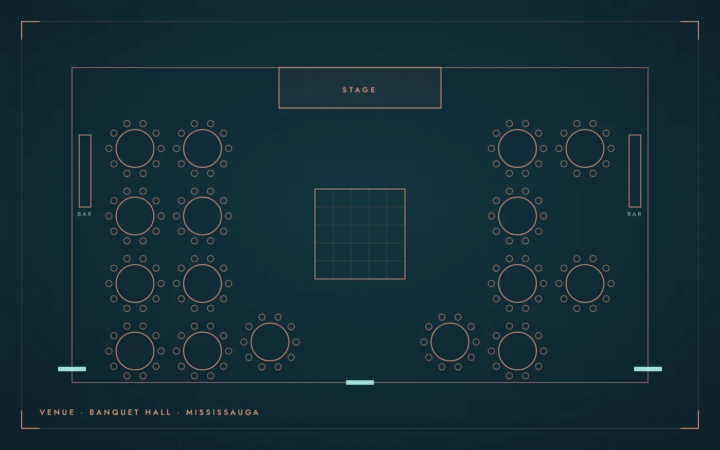
Mississauga · up to 200 guests
In-house catering
C Banquets is run by City of Mississauga Hospitality Services on the 12th floor of the Civic Centre, across from Square One.
Read more
Angus Glen Golf Club
Markham · up to 800 guests
In-house catering · Free parking
Angus Glen is a golf club in north Markham with a clubhouse conference and banquet centre.
Read more
Deer Creek Golf Club
Ajax · 300+ guests
In-house catering · Outdoor space
Deer Creek is a public golf facility in Ajax with 54 holes of golf.
Read more