Toronto averages by category, where couples overspend, and how to present a budget to two families.
Read the transcript
Wedding budgets and the splitter.
Toronto averages by category, where couples overspend, and how to present a budget to two families.
Where the money actually goes.
A wedding budget has one large block and many small ones.
Food, drink and venue are the large block; in our experience they take somewhere between 40 and 55 per cent of a GTA wedding once service charge and HST are included.
Typical GTA ranges, 2026.
Every number above is before HST unless stated, because vendors habitually quote before HST.
Add 13 per cent to everything, and the 18 per cent service charge to venue food and drink, before you show a total to anyone.
Where couples overspend.
Four places, in our experience.
The bar, because an open premium bar for five hours is priced per guest whether or not they drink; a house bar with one signature cocktail reads as generous at a fraction of the cost.
Presenting a budget to two families.
Many GTA weddings are paid for by the couple plus one or both families, often with each side carrying specific items for cultural or practical reasons.
The wedding budget splitter exists for this: it lets you assign each line to a payer and show every contributor what they are covering and what the whole looks like.
Worked example: the Ferreira–Khan wedding.
The 70,000 dollars envelope for 160 guests works out to roughly 437 dollars per guest all-in.
The Distillery loft is a dry-hire space with a preferred caterer, so there is no food and beverage minimum but there is a rental fee.
That is the lesson. The worksheet and the quiz are just below this video.
Where the money actually goes
A wedding budget has one large block and many small ones. Food, drink and venue are the large block; in our experience they take somewhere between 40 and 55 per cent of a GTA wedding once service charge and HST are included. The rest is spread across photography, music and entertainment, flowers and decor, attire, stationery, transport, cake, the planner and a contingency. The couple sees the small items first because they are the fun ones. Your job is to make them see the big block first.
Build the first draft in the event budget calculator with the guest count as the only input you trust, then refine in the budget sheet.
Typical GTA ranges, 2026
| Category | Typical GTA range, 2026 | Notes |
|---|---|---|
| Banquet hall plate | $65–$120 per guest before tax and service | Add 18% service charge where applied, then 13% HST on food, drink and the service charge |
| Downtown hotel plate | $95–$180 per guest before tax and service | Same additions; ask for the F&B minimum |
| Photographer (6–8 hrs) | $1,500–$4,000 | Album, second shooter and extra hours are usually extra |
| DJ | $900–$2,500 | MC services and lighting may be separate |
| Four-piece band | $2,500–$6,000 | Plus meals, parking and sometimes sound |
| Close-up magician, 2 hrs | $600–$1,500 | Cocktail hour or between courses |
| Photo booth | $800–$1,500 | Props and prints often included |
| Uplighting, 20 fixtures | $600–$1,200 | Transforms a plain room cheaply |
| Round table set of 10 | $60–$120 per table | Only if the venue does not supply them |
| Full-service planner | $6,000–$15,000+ | Day-of coordinator $1,200–$2,500 |
| Event liability insurance | $150–$400 | Many venues require it |
Every number above is before HST unless stated, because vendors habitually quote before HST. Add 13 per cent to everything, and the 18 per cent service charge to venue food and drink, before you show a total to anyone.
Where couples overspend
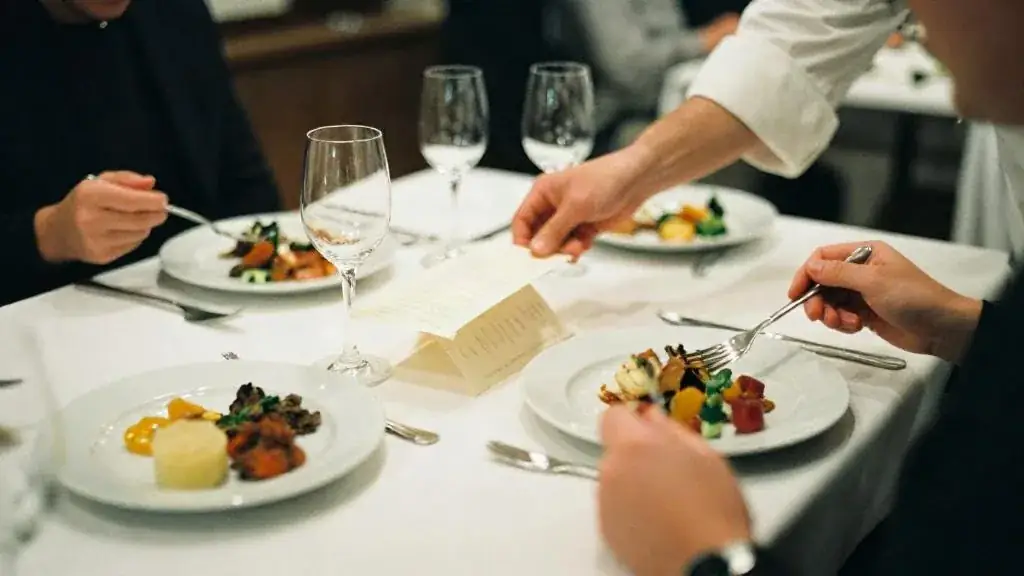
Four places, in our experience. The bar, because an open premium bar for five hours is priced per guest whether or not they drink; a house bar with one signature cocktail reads as generous at a fraction of the cost. Flowers, because the couple sees one photograph and does not know it cost $12,000. Stationery and favours, because they are chosen late and emotionally. And guest count creep, because every “plus one” and every late addition costs a full plate, a chair and a slice of everything else. The guest list is the budget. Say it to the couple and to both sets of parents.
The reverse is also true. The cheapest way to make a wedding feel expensive is good lighting, a good MC and music that keeps the floor full. Those three together rarely cost more than the flowers.
Presenting a budget to two families
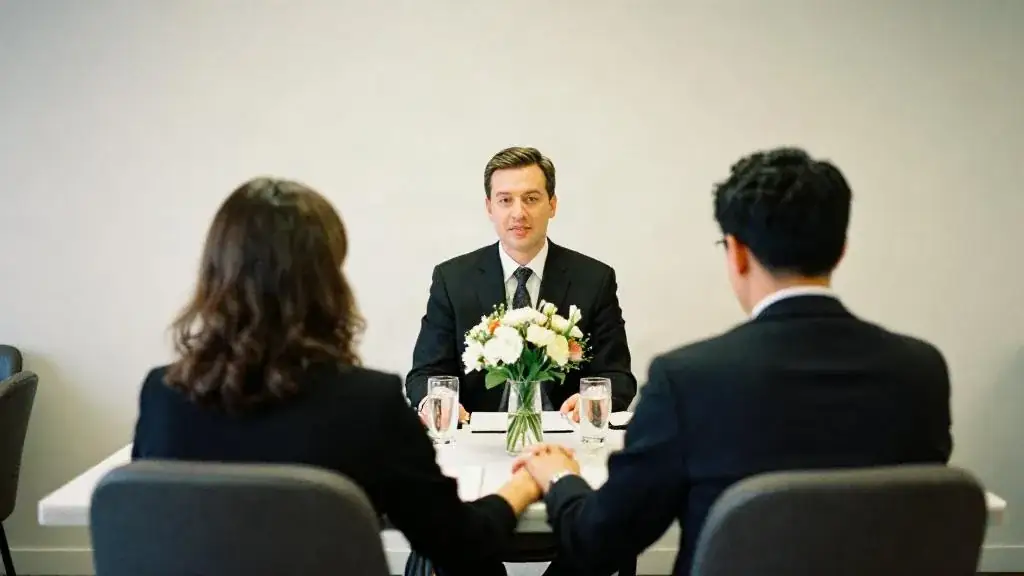
Many GTA weddings are paid for by the couple plus one or both families, often with each side carrying specific items for cultural or practical reasons. The wedding budget splitter exists for this: it lets you assign each line to a payer and show every contributor what they are covering and what the whole looks like. The procedure that keeps peace:

- Agree the total envelope with the couple first, before any parent sees a line item.
- Ask each family privately what they want to pay for, not how much. People fund things they care about.
- Put every line in one sheet with a payer column. Nobody pays for a mystery.
- Show each family the lines they are funding and the full total. Do not show them what the other family is paying unless everyone agrees.
- Hold a 7 to 10 per cent contingency inside the couple’s own share, so late additions do not become a family negotiation.
Worked example: the Ferreira–Khan wedding
The $70,000 envelope for 160 guests works out to roughly $437 per guest all-in. The Distillery loft is a dry-hire space with a preferred caterer, so there is no F&B minimum but there is a rental fee. We allocated roughly: venue and furniture $11,000; catering at about $115 per guest with halal menu and staffing, plus bar and 18 per cent service, plus HST, about $29,000; photography and video $6,500; band plus dhol player plus two MCs’ equipment $7,500; flowers and decor $6,000; attire for both sides out of scope; stationery, cake, transport and licence about $3,500; planner fee $6,500. That is roughly $70,000, with no contingency.
So we moved money. The Khan family offered to cover the Thursday mehndi entirely, which removed it from the main sheet. The Ferreira family covered the church donation and the band. The couple carried venue, catering, photography and the planner, and we found their contingency by cutting the premium bar to a house bar with one Portuguese wine and one mocktail. Each family received a one-page extract from the splitter and the couple received the whole thing.
Numbers to remember
- HST is 13 per cent; hotel and hall service charges are commonly 18 per cent and are themselves taxable.
- Venue, food and drink usually take 40 to 55 per cent of the envelope, in our experience.
- Keep 7 to 10 per cent contingency inside the couple’s share.
- Every added guest costs a plate, a chair, a share of the bar and a slice of everything else; the list is the budget.
Worksheet
Apply this lesson to a real or practice event using the worksheet, then mark the lesson complete to track your progress toward the certificate.
Related guides, venues and vendors
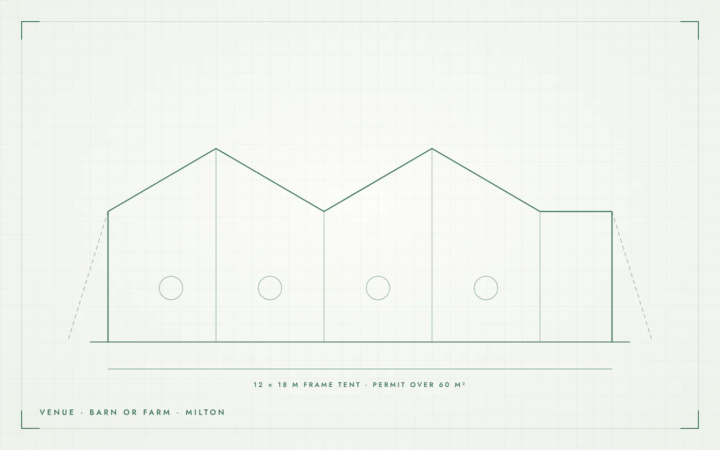
Country Heritage Park
Milton · up to 280 guests
Licensed bar · Free parking · Outdoor space
Country Heritage Park is an 80-acre property in Milton run by the non-profit Country Heritage Agricultural Society.
Read more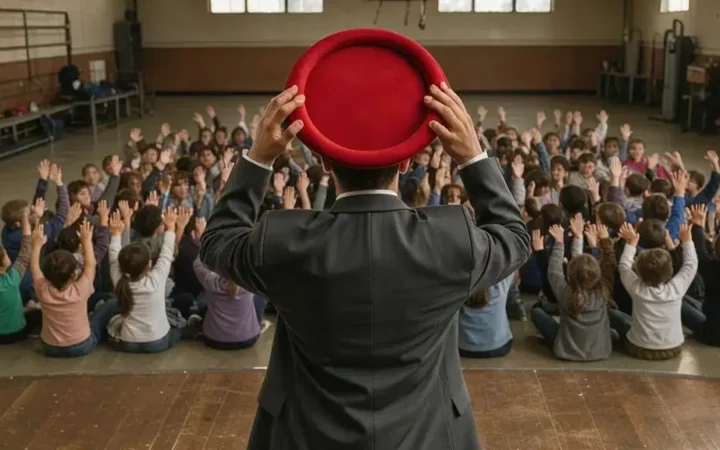
Family & kids’ stage magician · Magic Magic roster
Entertainment, Kids' Entertainers, Magicians
Family and stage magician for kids' parties, school shows, community events and holiday parties.
Read more
Toronto Botanical Garden
North York, Toronto · 150–300 guests
Near transit · Outdoor space
The Garden is a registered charity, and its event building is LEED Silver certified.
Read more