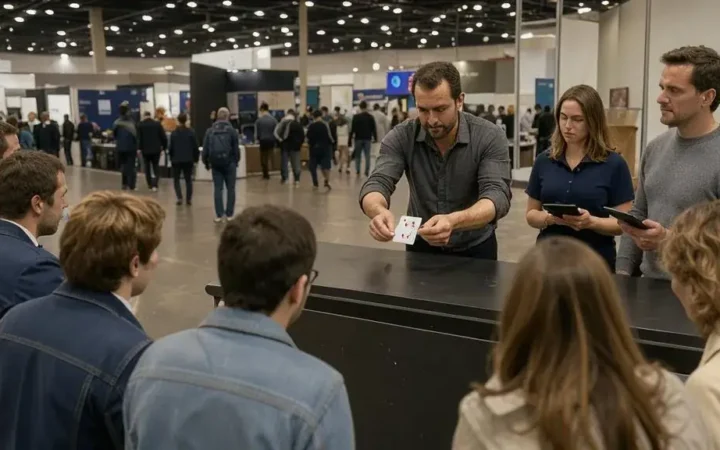
Trade show sales entertainment
Specialist · Entertainment Booking · 15 min
Scripted micro-shows, lead hand-off and measuring booth traffic.
Read moreCalculators, taxes, liquor permit rules and venue searches use this location.
Weddings, corporate, festivals, fundraisers, kids, virtual, entertainment booking.
Specialist: guides, ideas and tools from EventPlans.ca for planning events in Toronto and the GTA.
Specialist · Entertainment Booking · 15 min
Scripted micro-shows, lead hand-off and measuring booth traffic.
Read more
Specialist · Fundraisers · 15 min
AGCO lottery licensing for raffles, auction logistics and payment collection.
Read more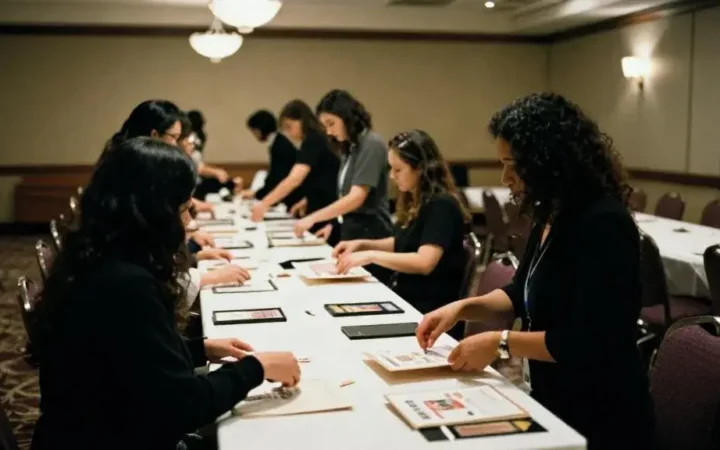
Specialist · Fundraisers · 15 min
Cost per attendee, break-even, and reporting net to the board.
Read more
Specialist · Fundraisers · 15 min
Thank-yous, impact reports, and next year's save-the-date.
Read more
Specialist · Kids' Parties · 15 min
Length, timing, venue, entertainment and the schedule that avoids meltdowns.
Read more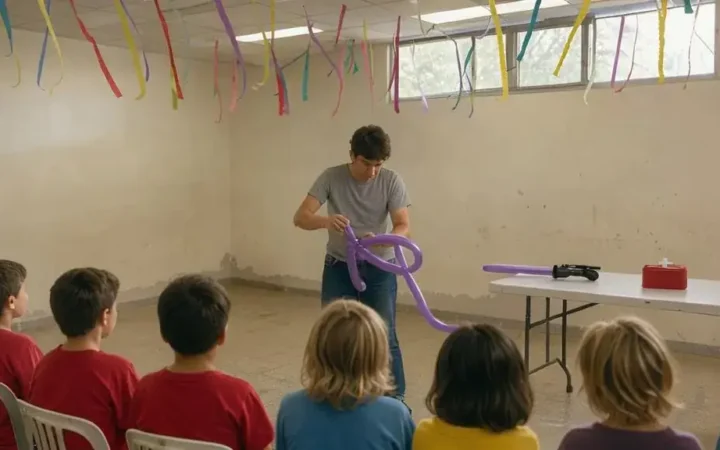
Specialist · Kids' Parties · 15 min
Magicians, circus skills, balloon artists, face painters; vetting, police checks and allergy planning.
Read more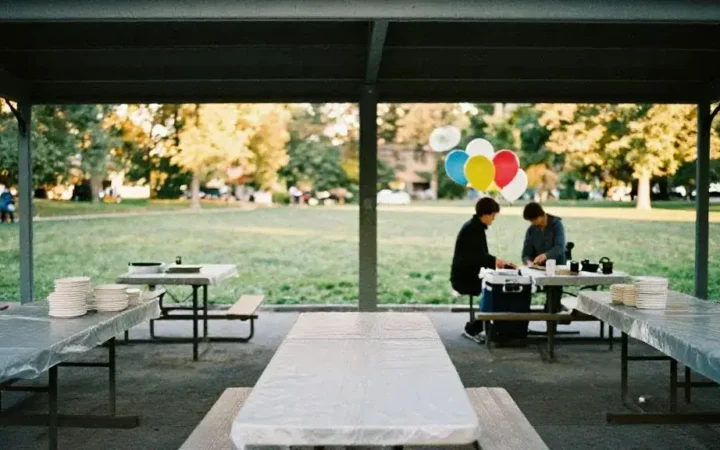
Specialist · Kids' Parties · 15 min
GTA costs, what is included, and park permit basics.
Read more
Specialist · Kids' Parties · 15 min
Nut-free planning, quantities, and the cake moment.
Read more
Specialist · Kids' Parties · 15 min
Where the money goes and what kids actually remember.
Read more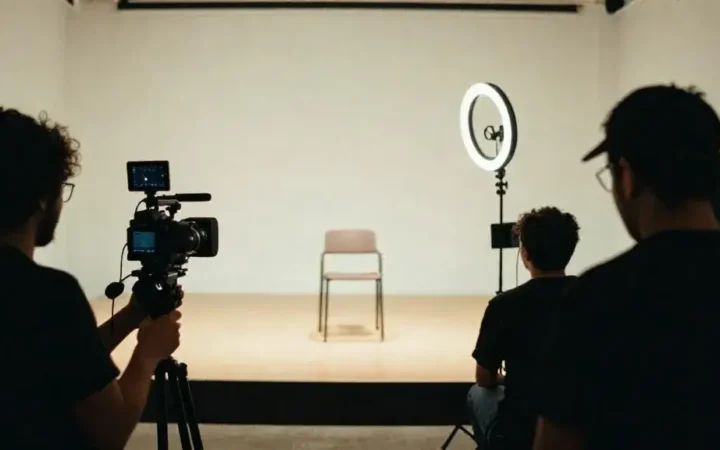
Specialist · Virtual & Hybrid · 15 min
Virtual, hybrid, hub-and-spoke; platform features that matter and the ones that do not.
Read more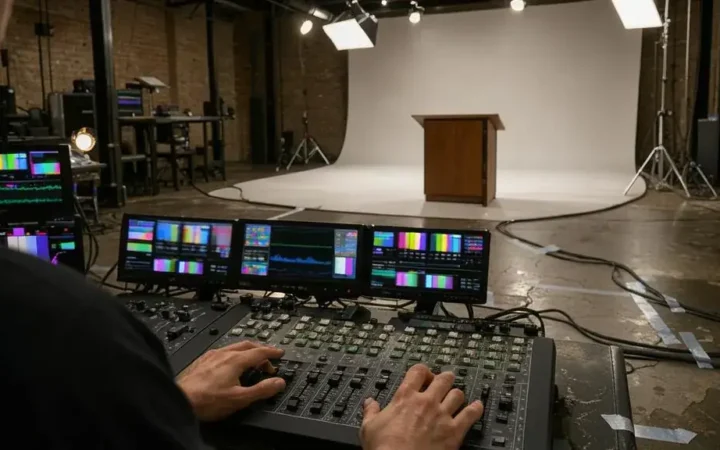
Specialist · Virtual & Hybrid · 15 min
Studios, lighting, audio, switching, graphics and rehearsal.
Read more
Specialist · Virtual & Hybrid · 15 min
Segments under 20 minutes, chat moderation, polls, breakout rooms and remote entertainment.
Read moreThe specialist path collects the Academy's focused tracks in one place. Each track takes one area of event planning further than the core modules can: weddings, corporate events, festivals, fundraisers, kids' parties, virtual and hybrid events, and entertainment booking. The tracks are shorter than the core modules and assume you already understand the basics of budgets, venues, vendors and the run of show. They are written for the GTA, with local permits, venues and booking patterns in mind.
This path suits working planners who want to deepen one area of their practice, venue and hotel staff who handle a particular type of booking, and graduates of the core modules who are deciding where to specialise. It also works for someone with a single large project in front of them, such as a festival committee member or a corporate events lead, who needs targeted guidance quickly. If you are new to planning, start with the professional path or, for a one-off personal event, the host path.
Most tracks take between one and two hours of study, plus the time to complete the worksheets. Specialist tracks are not required for the Academy certificate, which is based on the twelve core modules and the final exam, but they add the practical depth employers and clients expect from someone who claims a niche. The lesson on choosing a niche explains how to decide which specialism to build a business around, and the full overview is on the learning paths page.