Where the money goes and what kids actually remember.
Read the transcript
Favours, themes and budgets under 1,000. dollars
Where the money goes and what kids actually remember.
What a 900 dollars party actually buys.
Parents arrive at a kids' party with a number in mind and a picture from social media that costs three times that number.
The planner's job is to show where the money goes, which lines move the day and which lines only move the photographs.
Where the money goes.
Those shares are a guide from our own parties, not a rule.
The thing to notice is the ranking.
Themes that work.
A theme is a colour palette and one visual idea, not a licensed-character shopping list.
The strongest themes at this age are broad enough to decorate cheaply and to brief a performer against: space, under the sea, dinosaurs, superheroes, unicorns and rainbows, jungle, science lab, circus.
Favours kids keep.
Every parent has thrown out a favour bag in the car.
The bag of ten small plastic things costs 8 dollars a child and is landfill by Tuesday.
What kids actually remember.
Ask a seven-year-old about a party a month later and you get the same answers every time.
The show and the moment they were picked to help.
That is the lesson. The worksheet and the quiz are just below this video.
What a $900 party actually buys
Parents arrive at a kids’ party with a number in mind and a picture from social media that costs three times that number. The planner’s job is to show where the money goes, which lines move the day and which lines only move the photographs. Under $1,000 you can run a very good party for 15 to 20 kids in the GTA if you spend on the room and the performer and go light on everything that gets thrown in a bag at the end.
Where the money goes
| Line | Share of a sub-$1,000 budget, in our experience | What moves it |
|---|---|---|
| Venue | 15 to 25 percent, or zero at home | Community centre room versus a venue package |
| Entertainment | 35 to 45 percent | Magician or circus workshop with an add-on, versus DIY games |
| Food, drinks and cake | 20 to 25 percent | Cake choice is the big swing; pizza is cheap |
| Decor | 5 to 10 percent | One balloon garland and a backdrop; the rest is noise |
| Favours | 5 to 10 percent | One good thing versus a bag of ten small things |
| Invitations, kit, contingency | 3 to 5 percent | Digital invitations are free |
Those shares are a guide from our own parties, not a rule. The thing to notice is the ranking. Entertainment is the biggest line because it is the thing kids talk about at school on Monday. Decor is the smallest because a six-year-old does not look up. Build the budget in the event budget calculator with the entertainment line fixed first and let decor absorb whatever is left.
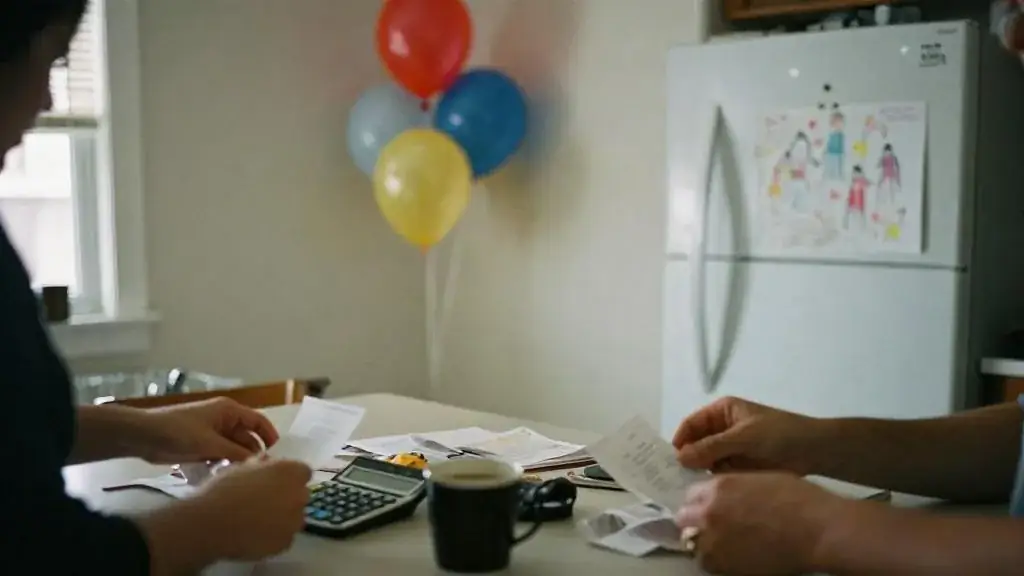
Themes that work
A theme is a colour palette and one visual idea, not a licensed-character shopping list. The strongest themes at this age are broad enough to decorate cheaply and to brief a performer against: space, under the sea, dinosaurs, superheroes, unicorns and rainbows, jungle, science lab, circus. A good magician will adapt patter and a trick or two to the theme if you tell him two weeks ahead; a circus-skills workshop is a theme in itself. Licensed characters cost more for every item, and the licensed costume character you can hire is often the weakest performer in the room. Pick the palette, pick one hero decoration (a balloon garland on a stand, a backdrop for the cake photo), and stop. The party theme generator gives you a palette, a cake idea, a game and a favour for each theme so you do not start from a blank page.
Favours kids keep
Every parent has thrown out a favour bag in the car. The bag of ten small plastic things costs $8 a child and is landfill by Tuesday. One decent item costs the same and survives: a small book, a pack of good crayons and a mini sketchbook, a bubble wand that works, a balloon animal made in front of them, a decorated cookie from the party, a seed kit, a mini kite. Tie the favour to the theme and to the entertainment where you can: a magician who leaves each child with a simple trick to take home has solved favours for you. Hand them out at the door as each child leaves, with the parent watching, so the favour is the last thing the child remembers.
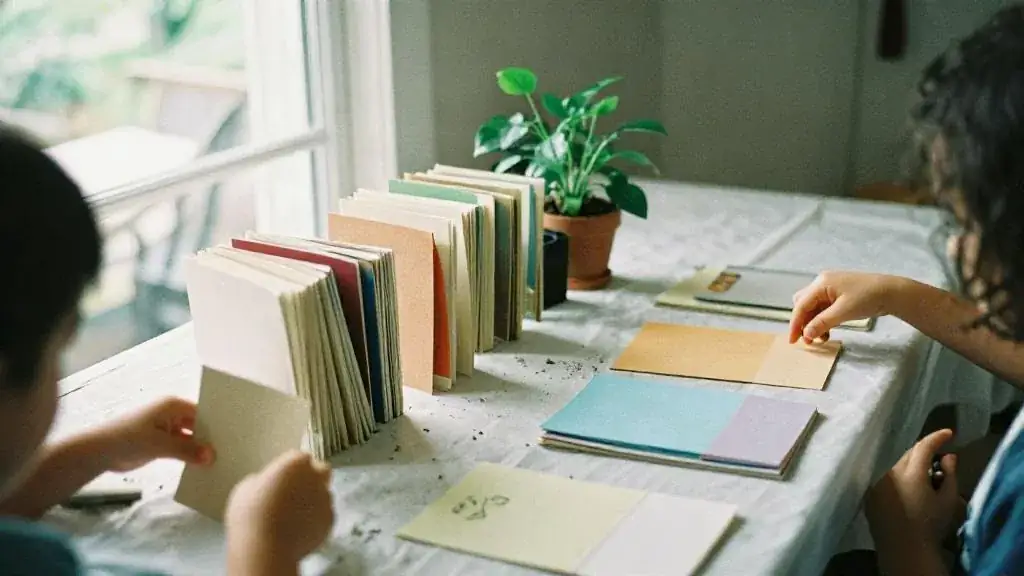
What kids actually remember
Ask a seven-year-old about a party a month later and you get the same answers every time. The show and the moment they were picked to help. The game they won. The cake. Who they sat with. A thing that went slightly wrong and was funny. Nobody has ever mentioned the napkins, the centrepiece or the matching plates. Spend accordingly: performer, birthday child as assistant, one good game, a cake they can see being cut, and a table arrangement that puts best friends together.
Worked example: Maya’s 6th, the full $900
- Community centre room, 12:30 to 3:30, including deposit refunded later: about $150.
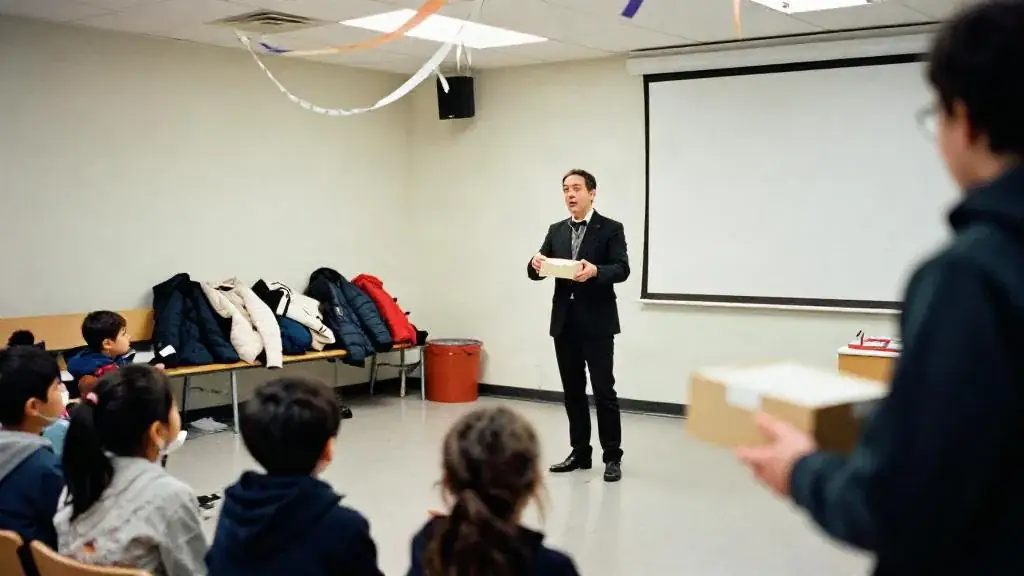
- Magician, 40-minute show plus a 30-minute balloon add-on: $400. Booked five weeks out, insurance and vulnerable sector check on file, theme (rainbow and unicorn) sent two weeks ahead so the closing trick produced a rainbow silk for Maya.
- Food, drinks and a nut-free sheet cake for 30: about $200.
- Decor: one rainbow balloon garland on a free-standing frame, used as the cake backdrop; a paper tablecloth in the theme colours; name cards the host made with Maya the week before. About $70.
- Favours: a mini sketchbook and a pack of four crayons in the theme colours, plus the balloon animal each child chose, handed out at the door. About $50 for 18.
- Invitations: digital, free. Kit (bandages, wipes, tape, lighter, garbage bags): about $15 from what was already in the house. Contingency: $15, which went on a second roll of tape and two extra juice boxes.
Total $900. Entertainment 44 percent, venue 17 percent, food 22 percent, decor 8 percent, favours 6 percent, kit and contingency 3 percent. When Maya was asked about the party at school the next week she talked about the rainbow silk and the balloon unicorn. Nobody mentioned the tablecloth.
Numbers to remember
- Two hours is the party. Three hours of room is the rental.
- Entertainment is roughly 40 percent of a sub-$1,000 budget in our experience, and it is the line kids remember.
- One good favour beats ten small ones at the same price.
- Decor is one hero piece and a colour palette. Budget 5 to 10 percent and do not go back for more.
- Digital invitations are free and let you ask the allergy and latex questions in one tap.
- Keep about 3 percent back for the thing you forgot. There is always a thing.
Worksheet
Apply this lesson to a real or practice event using the worksheet, then mark the lesson complete to track your progress toward the certificate.
Related guides, venues and vendors
What an event planner actually does
Module 1: Foundations · 15 min
The job is risk management disguised as hospitality. A planner turns a goal into a date, a room, a budget, a vendor…
Read more
Trade show sales entertainment
Specialist · Entertainment Booking · 15 min
Scripted micro-shows, lead hand-off and measuring booth traffic.
Read more
Tracking actuals and cash flow
Module 3: Budgeting · 15 min
Deposits, milestone payments, final balances and the week after. Build a payment calendar so nothing is late and nothing is paid twice.
Read more