AGCO lottery licensing for raffles, auction logistics and payment collection.
Read the transcript
Auctions, raffles and Ontario lottery rules.
AGCO lottery licensing for raffles, auction logistics and payment collection.
Three activities, two sets of rules.
Galas run three money games: silent auctions, live auctions and raffles (including 50/50 draws).
People lump them together.
Silent auction logistics.
A silent auction lives or dies on three things: the items, the display and the close.
Fewer, better lots beat tables of gift baskets. Thirty to forty lots for 200 guests is plenty.
Live auction logistics.
Two to four lots, no more.
A real auctioneer, not the funny board member; a professional charity auctioneer reads the room, manages increments and keeps it under 15 minutes.
Payment collection.
Registration ties this together.
Every guest is linked to a paddle number, a seat and a card on file where the software allows.
Worked example: the Harbour Gala auction plan.
The foundation ran a silent auction of 36 lots on mobile bidding, opened at doors at 6 and closed at 8:25 with a 2-minute warning from the MC just after mains were cleared.
The display sat along the south wall of the ballroom, away from the two pillars, with a few uplights borrowed from the room wash.
That is the lesson. The worksheet and the quiz are just below this video.
Three activities, two sets of rules
Galas run three money games: silent auctions, live auctions and raffles (including 50/50 draws). People lump them together. The law does not. In Ontario, an auction is a sale: the highest bid buys the item, and no lottery licence is needed, live or silent. A raffle or 50/50 is a lottery: people pay for a chance, and that needs a licence.
Raffles in Ontario need an AGCO or municipal lottery licence, and only charitable or religious organizations are eligible. Raffles and 50/50 draws with prizes under $50,000 are licensed by the municipality; over $50,000, by the AGCO. The application is made by the charity, not the planner, and it needs lead time. If the foundation has not applied and the event is close, drop the raffle and run a second silent auction category instead. Nobody has ever lost a donor over a cancelled 50/50; organizations have had real trouble running an unlicensed one.
For anything beyond those facts (current fees, exact eligibility, reporting), tell the client to check the current requirements with the city or the AGCO. Do not guess at figures in a client document.
Silent auction logistics
A silent auction lives or dies on three things: the items, the display and the close.
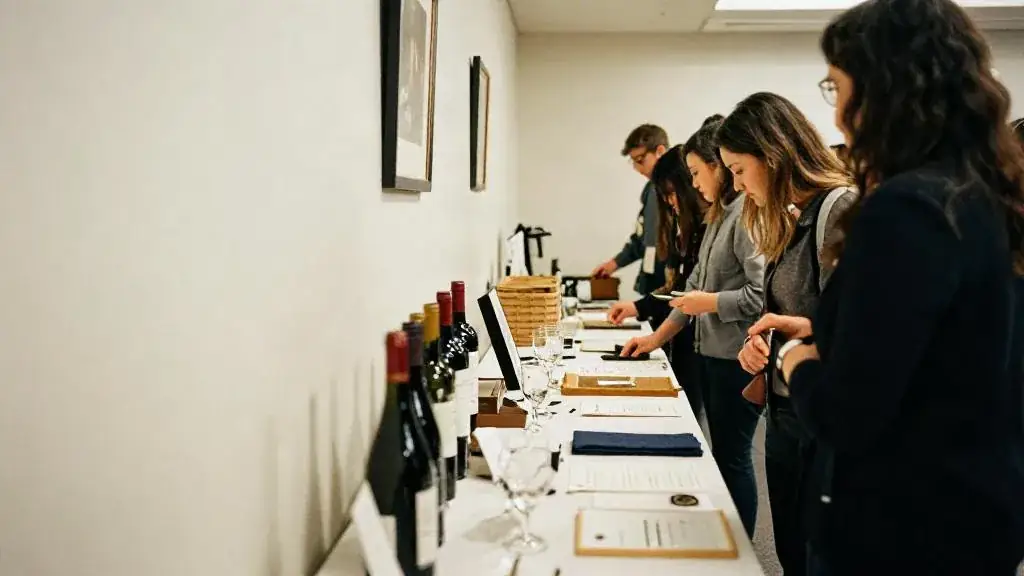
- Items. Fewer, better lots beat tables of gift baskets. Thirty to forty lots for 200 guests is plenty. Experiences (a chef dinner at home, a box at a game, a studio session with a performer) outsell objects. Set the opening bid at roughly 30 to 40 percent of value and the increment at a round number.
- Display. Lit, signed, grouped by category, in the cocktail area where people stand with a drink, never in a corridor. Each lot gets a card with the title, value, donor and the bid link or QR code. Show the item or a good photo.
- Bidding. Mobile bidding (guests bid from their phones, get outbid notices and pay by card) has mostly replaced paper. It costs a licence fee but raises more because people keep bidding from their table during dinner. Paper bid sheets still work for small rooms; they need pens that work and volunteers who collect them at close.
- Close. Announce a 2-minute warning from the stage. Close before the live auction and paddle raise so the three do not compete. Post winners on screen or notify by text.
- Checkout. A desk near the exit, two volunteers, card terminal, item pickup with a signature. Items not collected on the night get a follow-up email the next morning.
Live auction logistics
Two to four lots, no more. A real auctioneer, not the funny board member; a professional charity auctioneer reads the room, manages increments and keeps it under 15 minutes. Lots must be worth standing up for: a trip, a large experience, a one-off. Describe each lot on screen while the auctioneer sells it. Have spotters with paddle-number sheets, a runner to get the winner’s details before they leave the table, and the price of each lot agreed with the donor in advance in case a lot sells for less than expected.
Place the live auction right before the paddle raise. The competitive energy from the lots carries into the ask, and the auctioneer is already on stage.
Payment collection
| Engine | How paid | When | Who records it |
|---|---|---|---|
| Silent auction | Card on file through mobile bidding, or at the checkout desk | At close and at checkout | Software or the auction volunteer lead |
| Live auction | Runner collects details at the table; charged at checkout or invoiced next day | Night of, or within 48 hours | Spotter sheets reconciled by the foundation finance contact |
| Paddle raise | Pledge recorded by paddle number; charged to card on file or invoiced | Invoiced within a week | Spotters, then the foundation database |
| Raffle or 50/50 (if licensed) | Cash or card at point of sale; a float and a locked cash box | Night of | Two volunteers counting together; records kept as the licence requires |
Registration ties this together. Every guest is linked to a paddle number, a seat and a card on file where the software allows. That single step is the difference between reconciling by noon Friday and chasing pledges until February.
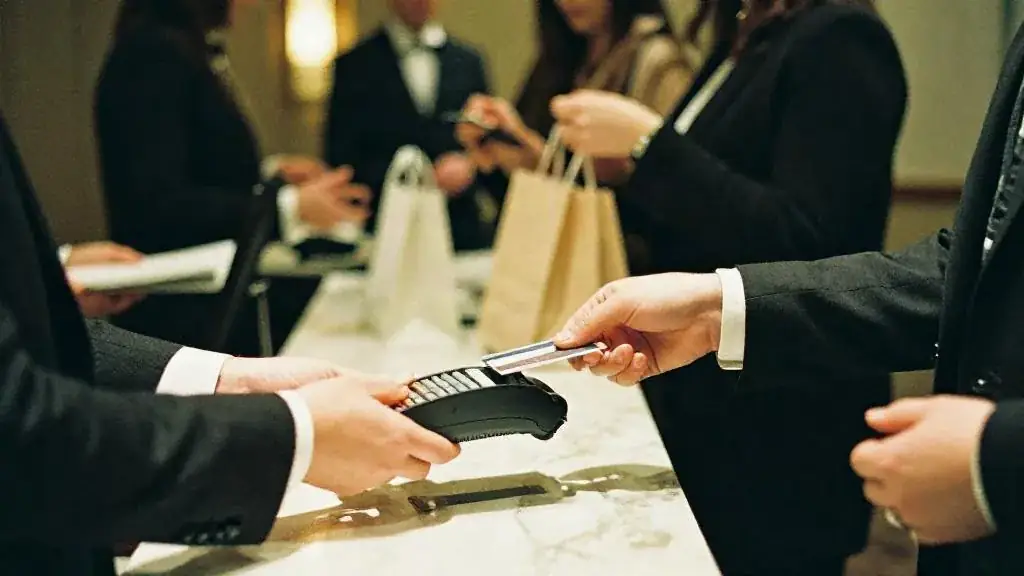
A privacy note: card details, addresses and pledge amounts are personal information under PIPEDA. Collect only what you need, say what it is for on the registration form, keep it in the software rather than on spotter sheets left on a table, and have the foundation delete or archive it when done.
Worked example: the Harbour Gala auction plan
The foundation ran a silent auction of 36 lots on mobile bidding, opened at doors at 6 and closed at 8:25 with a 2-minute warning from the MC just after mains were cleared. The display sat along the south wall of the ballroom, away from the two pillars, with a few uplights borrowed from the room wash. Thirty-one lots sold, five were held back for next year.
The live auction was two lots: a private chef dinner for eight and a hospitality box at a hockey game. The auctioneer sold both in 11 minutes for a combined $12,000 and moved straight into the paddle raise with the room still laughing.
A 50/50 had been suggested in September. The foundation had not applied for the municipal licence and the gala was seven weeks away, so the committee agreed to drop it and add two more experience lots to the silent auction instead. Nobody missed it.
Checkout was a six-foot table at the ballroom doors with two volunteers and a card terminal. Live-auction winners were invoiced the next morning by the foundation finance office from the spotter sheets, which the planner photographed before leaving the room. Pledges were in the database by Monday.
Common mistakes
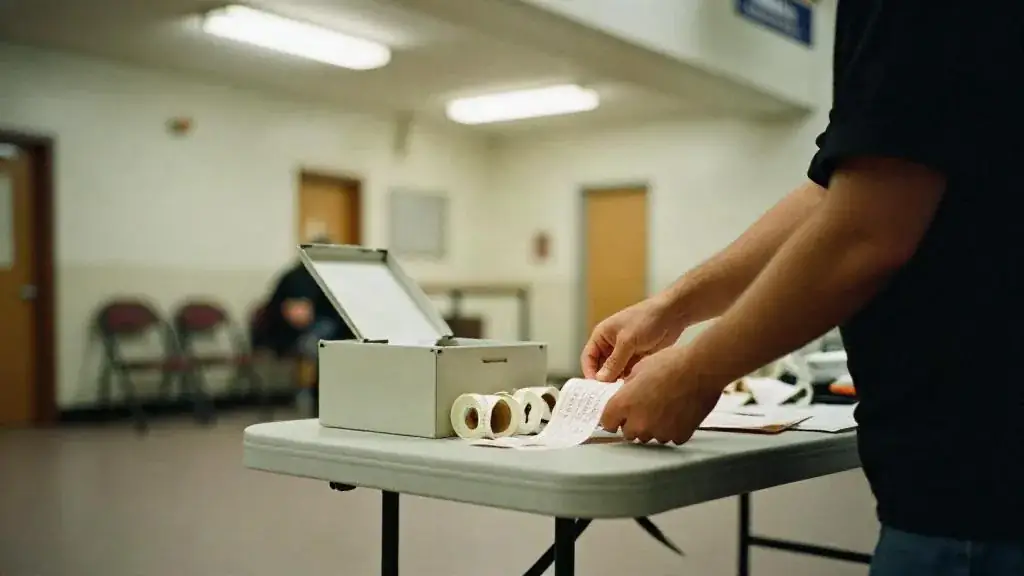
- Running a raffle or 50/50 without a licence because “it is just for charity”. The charitable purpose is the reason a licence is available, not a reason to skip it.
- Letting the silent auction run into the paddle raise. Phones out, heads down, hands not up.
- Too many lots. Forty baskets of wine and candles take an hour to set up and net less than ten good experiences.
- No paddle-to-guest link at registration. You will be matching handwriting to a seating chart at midnight.
- Leaving spotter sheets and bid sheets lying around. They carry names and amounts; treat them like the personal information they are.
Worksheet
Apply this lesson to a real or practice event using the worksheet, then mark the lesson complete to track your progress toward the certificate.
Related guides, venues and vendors
Sponsorship and table sales
Specialist · Fundraisers · 15 min
Packages, pricing, the committee, and the 12-week sales calendar.
Read more
Stewardship after the gala
Specialist · Fundraisers · 15 min
Thank-yous, impact reports, and next year's save-the-date.
Read more
Ontario Special Occasion Permit guide
October 17, 2026 · 2 min read
When you need an SOP, the types, timelines, costs, Smart Serve rules and the mistakes that get bars shut down.
Read more