Packages, pricing, the committee, and the 12-week sales calendar.
Read the transcript
Sponsorship and table sales.
Packages, pricing, the committee, and the 12-week sales calendar.
Where the money comes from before the night.
At most Toronto charity dinners the ticket revenue barely covers the plate.
The money that makes a gala worth doing comes from tables and sponsorships sold weeks in advance by people who are not the planner.
Packages and pricing.
Keep packages few and the differences obvious.
A sponsor should be able to understand the ladder in one glance at the deck.
The committee.
A planner sells the event to the client.
A committee sells the tables.
The 12-week sales calendar.
The hotel guarantee date is the hinge of this calendar.
Most hotels want a final guaranteed count a few business days before the event and bill you on the guarantee or the actual, whichever is higher.
Worked example: the Harbour Gala table sales.
Twenty tables of ten.
The foundation set one presenting sponsor at 20,000 dollars (two tables), two program sponsors at 7,500 dollars each (entertainment and cocktail hour, one table each), six table sponsors at 5,000, dollars and sold the remaining ten tables as 3,000 dollars tables or 300 dollars tickets.
That is the lesson. The worksheet and the quiz are just below this video.
Where the money comes from before the night
At most Toronto charity dinners the ticket revenue barely covers the plate. The money that makes a gala worth doing comes from tables and sponsorships sold weeks in advance by people who are not the planner. Your job is to build the packages, the price list and the sales calendar, and then to make it easy for the committee to sell.
In the Harbour Gala the original envelope was $25,000. Table sponsors raised that to $40,000. That gap is the whole reason the sales program exists.
Packages and pricing
Keep packages few and the differences obvious. A sponsor should be able to understand the ladder in one glance at the deck.

| Package | Includes (illustrative) | Illustrative price for a 200-guest hotel gala |
|---|---|---|
| Individual ticket | Seat, dinner, program | $250 to $350 |
| Table of 10 | Ten seats, name card on table, listing in program | $2,500 to $3,500 |
| Table sponsor | Table of 10 plus logo on screens and program, verbal thank-you from MC | $5,000 |
| Program sponsor (entertainment, cocktail, dessert) | Table of 10, named segment, signage at that segment, logo on all materials | $7,500 to $10,000 |
| Presenting sponsor | Two tables, name in the event title, remarks or video (3 minutes max), first logo everywhere | $15,000 to $25,000 |
Those figures are illustrative, not a market rate; the right price depends on the cause, the donor base and what the room costs. Two tests help. First, a table must cost noticeably more than ten tickets, or nobody buys tables. Second, the top package must deliver something only one organization can have, or two sponsors will both want it and neither will pay for it.
Keep the deliverables honest. Logo on the screen loop, a mention from the MC, a listing in the program and a photo opportunity are things you can actually deliver on a Thursday night. A promised speaking slot is a liability unless you have capped it and told the sponsor the cap in writing. Draft the deck with the sponsorship deck template.
One tax point to raise with the foundation early: the part of a ticket that covers the dinner and entertainment is a benefit to the buyer, so the charitable receipt is usually for less than the ticket price. The foundation decides and issues receipts; you just need to know the receipted amount so the sales material does not promise a full receipt.
The committee
A planner sells the event to the client. A committee sells the tables. A good gala committee is eight to fifteen people who each commit to filling one or two tables through their own networks, with a chair who tracks the numbers and makes the awkward follow-up calls.
- Recruit the committee before the price list is final; they will tell you what their contacts will pay.
- Give each member a personal target in tables, not dollars. Two tables feels achievable; $7,000 feels abstract.
- Hand them a one-page ask: event, date, cause, packages, a link to buy, and three sentences they can paste into an email.
- Run a 20-minute committee call every two weeks with one agenda item: tables sold, tables pending, tables lost.
- Thank them in public on the night and in writing afterwards. They are volunteers doing the hardest job in the event.
The 12-week sales calendar
| Weeks out | Sales activity | Planner support |
|---|---|---|
| 12 to 11 | Presenting and program sponsors approached personally by the chair and executive director | Deck final, pricing final, buy link live |
| 10 to 8 | Committee outreach to past table buyers and corporate contacts | Save-the-date sent; sponsor logos collected as they sign |
| 7 to 5 | Individual ticket push: email, social, board networks | Weekly sold-count report; seating map started |
| 4 to 3 | Final sponsor push; early-bird deadline if you use one | Hotel guarantee date approaching: confirm the count you will commit to |
| 2 | Fill gaps: comp tables for patients, staff, performers’ plus-ones if that is the client’s practice | Guest names collected for name cards and dietary needs |
| 1 | Close sales; waitlist only | Final guarantee to hotel; seating chart locked |
The hotel guarantee date is the hinge of this calendar. Most hotels want a final guaranteed count a few business days before the event and bill you on the guarantee or the actual, whichever is higher. Sell hard before that date; after it, every unsold seat is a plate you have already paid for.

Worked example: the Harbour Gala table sales
Twenty tables of ten. The foundation set one presenting sponsor at $20,000 (two tables), two program sponsors at $7,500 each (entertainment and cocktail hour, one table each), six table sponsors at $5,000, and sold the remaining ten tables as $3,000 tables or $300 tickets. On paper that is $20,000 + $15,000 + $30,000 + roughly $30,000 = around $95,000 gross, against a hotel bill of about $24,000 all-in, entertainment, production, the planner’s $4,500 fee and printing. Sponsor money above the original budget let the foundation raise the event envelope from $25,000 to $40,000 and still improve net.
The committee of ten each took two tables. By week 5, fourteen tables were sold. The chair’s fortnightly call surfaced that three members had stalled on one contact each, and the executive director made those three calls herself. Final count was nineteen tables sold and one comped to patient families, which the MC acknowledged from the stage.
Common mistakes
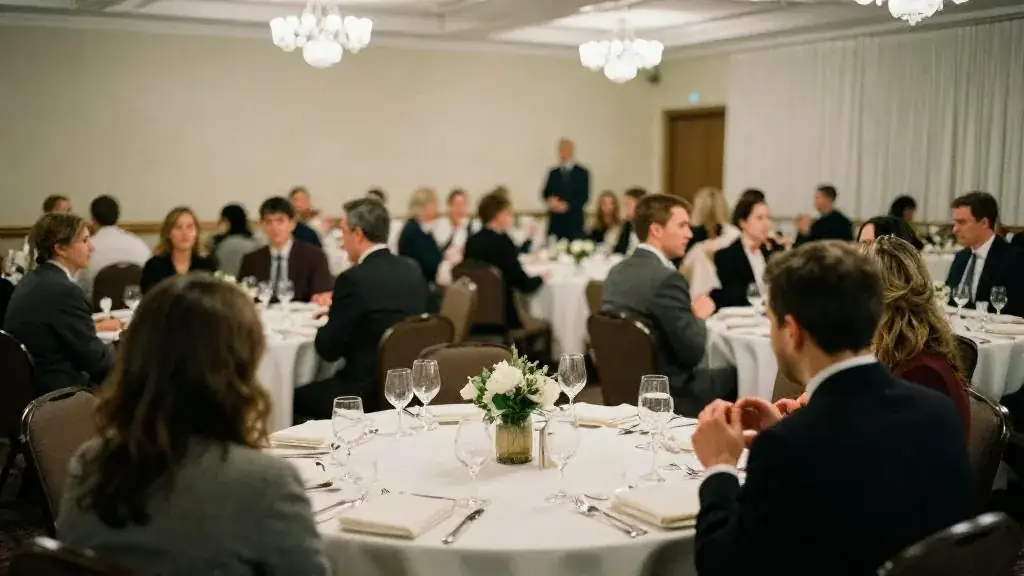
- Pricing tables at exactly ten times the ticket. Nobody buys the table.
- Selling a speaking slot to the presenting sponsor without a time cap. Ten unplanned minutes from a bank regional vice-president will cost you the paddle raise.
- Letting sponsors deliver logos the week of the event. Collect the logo at signing, in vector format, or you will be redrawing it at midnight.
- A committee with no chair, or a chair who will not chase. Volunteers are kind; someone still has to say the number out loud every two weeks.
- Promising a full tax receipt on a ticket that includes dinner. Let the foundation state the receipted amount in writing.
Worksheet
Apply this lesson to a real or practice event using the worksheet, then mark the lesson complete to track your progress toward the certificate.
Related guides, venues and vendors

Stewardship after the gala
Specialist · Fundraisers · 15 min
Thank-yous, impact reports, and next year's save-the-date.
Read more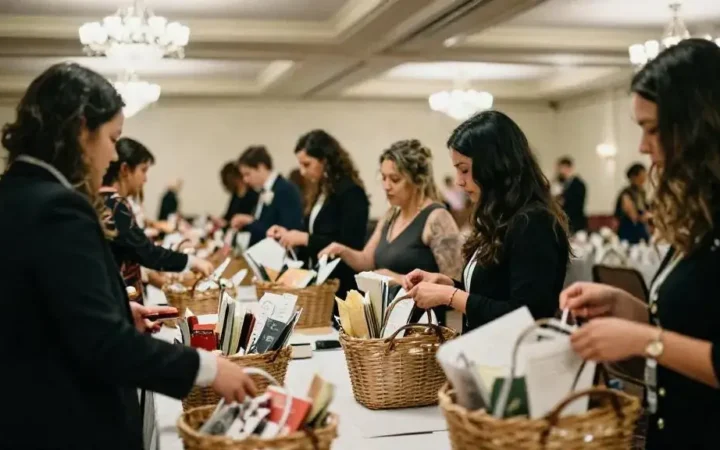
Auctions, raffles and Ontario lottery rules
Specialist · Fundraisers · 15 min
AGCO lottery licensing for raffles, auction logistics and payment collection.
Read more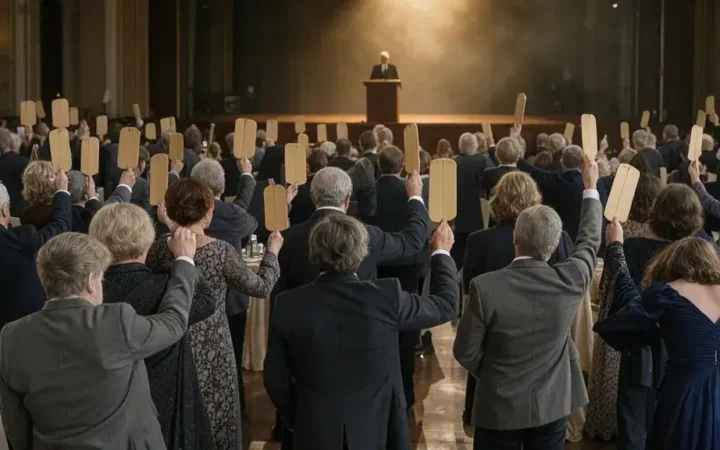
The fundraising program
Specialist · Fundraisers · 15 min
The ask, the paddle raise, live and silent auctions, and the entertainment that keeps donors in the room.
Read more