A Chinese wedding ritual where the couple serves tea to parents and elders and receives blessings and gifts.
Read the transcript
Tea ceremony.
A Chinese wedding ritual where the couple serves tea to parents and elders and receives blessings and gifts.
How it works in practice.
A Chinese tea ceremony is a short ritual with a long reach into the day.
The couple kneels or bows and serves tea to parents, grandparents and elders, in order of seniority, and receives blessings, red envelopes and often jewellery.
How to handle it.
Ask the family for the list and order of people receiving tea. Write it down and give a copy to the person who will call names.
Confirm who supplies the tea set, tea, sweetened ingredients and the kneeling cushions.
In Ontario and the GTA.
Markham, Richmond Hill and Scarborough host many Chinese wedding banquets, and banquet restaurants there often run a fixed multi-course menu with their own timing.
The legal marriage still needs an Ontario marriage licence, valid 90 days, and a registered officiant with two witnesses.
More detail, examples and common mistakes are on this page, below the video.
How it works in practice
A Chinese tea ceremony is a short ritual with a long reach into the day. The couple kneels or bows and serves tea to parents, grandparents and elders, in order of seniority, and receives blessings, red envelopes and often jewellery. It can be held at the bride family home, the groom family home or both, and sometimes at the hotel. Practices vary widely by family, region and generation, so the couple and their parents set the order, not the planner.
Because it often takes place in the morning, it anchors the wedding day timeline. Hair and makeup, photography, door games and travel between homes are all scheduled around it, long before the evening banquet.
How to handle it
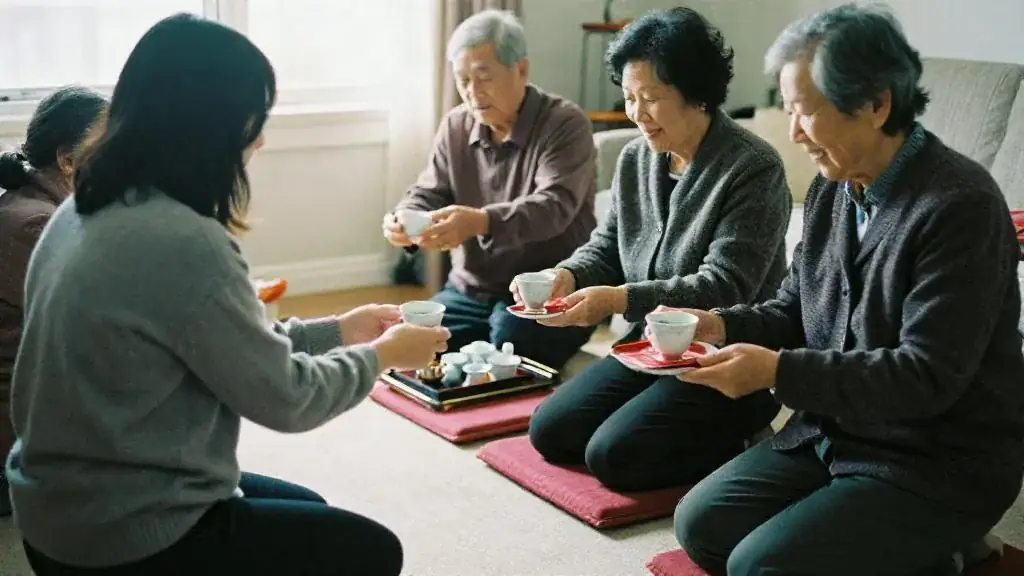
- Ask the family for the list and order of people receiving tea. Write it down and give a copy to the person who will call names.
- Confirm who supplies the tea set, tea, sweetened ingredients and the kneeling cushions.
- Agree how gifts will be received and stored. Assign one trusted person to collect and log jewellery and red envelopes.
- Allow realistic time. A large family can take well over an hour.
- Plan travel between homes and the venue with traffic in mind; the GTA morning on a Saturday is not always light.
- Brief the photographer on the order and the key moments.
In Ontario and the GTA
Markham, Richmond Hill and Scarborough host many Chinese wedding banquets, and banquet restaurants there often run a fixed multi-course menu with their own timing. The legal marriage still needs an Ontario marriage licence, valid 90 days, and a registered officiant with two witnesses. Some couples hold the civil ceremony on a different day from the tea ceremony and banquet. If the banquet hall is licensed, no SOP is needed for the bar.
Worked numbers
| Time | Item |
|---|---|
| 07:00 | Hair and makeup start |
| 09:30 | Groom arrives, door games |
| 10:00 | Tea ceremony, bride family |
| 11:30 | Tea ceremony, groom family |
| 14:00 | Photos and rest |
| 18:00 | Banquet doors |
This is an illustration, not a template. Use the timeline generator to build the real one, then carry it into the run of show.
Why it matters
Usually the morning of the wedding at a home; it sets the day's timeline.
Example
A tea ceremony at 10:00 followed by a banquet at 18:00 in Markham.
Common mistakes
- Not allowing travel time between ceremony and banquet
Related guides, venues and vendors
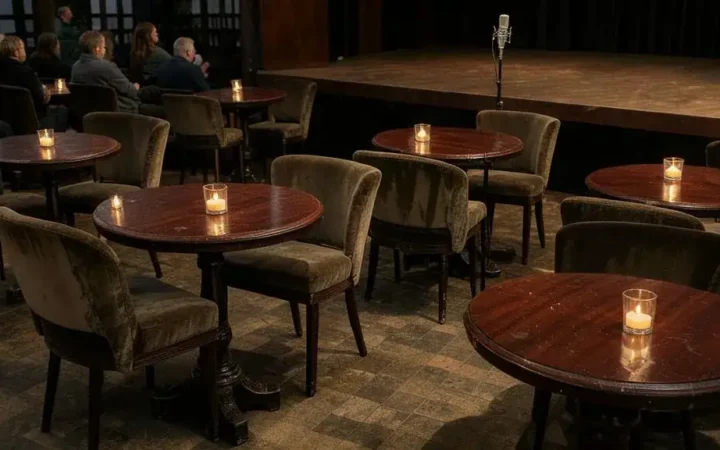
Cabaret seating
Venue & Layout
Rounds with chairs on the front two-thirds, usually 6 per table, for shows with food.
Read more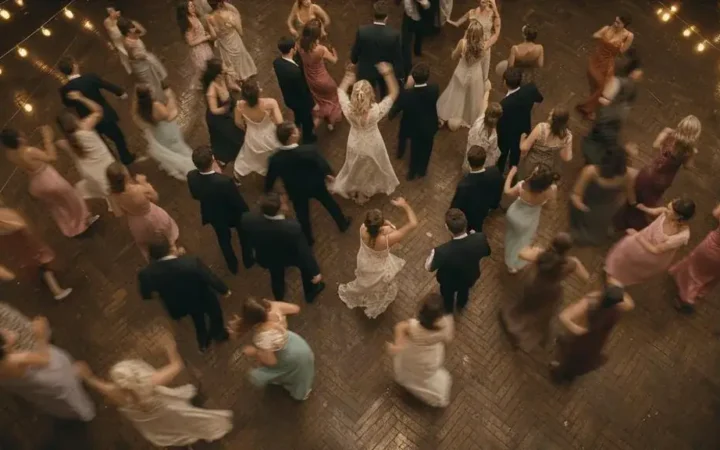
Dance floor sizing
Venue & Layout
Rule of thumb: about 0.4 m² (4 sq ft) for each guest dancing at the same time, and usually only a third…
Read more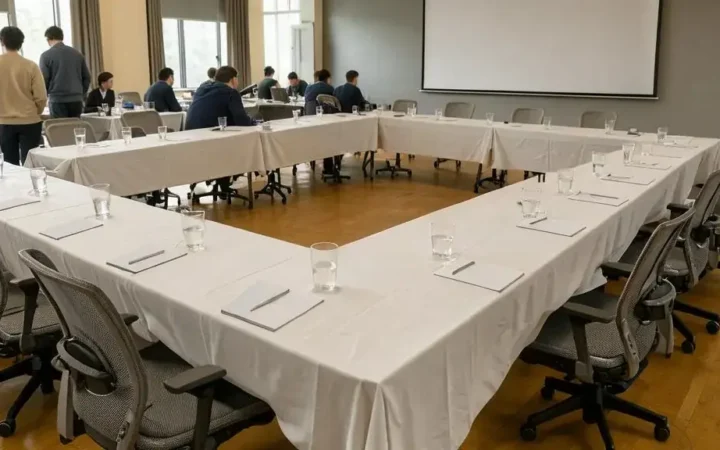
U-shape
Venue & Layout
Tables arranged in a U with chairs on the outside, for meetings up to about 40.
Read more