A real 14-hour run of show from hair and makeup to last dance, with vendor cues.
Read the transcript
The wedding-day run of show.
A real 14-hour run of show from hair and makeup to last dance, with vendor cues.
What a run of show is for.
The run of show is the single document that tells every vendor what happens, when, where and on whose cue.
The couple's version has times and feelings in it.
The Ferreira–Khan run of show.
This is the actual shape of the June Saturday for Ana and Omar: 160 guests, 1 p.m. church ceremony, 5 p.m. nikah and reception at a Distillery District loft, loft hard out at midnight.
Fourteen hours from first hair pin to last dance.
How to write cues that work.
A cue has three parts: a trigger, an action and an owner.
"When the second course is cleared, the MC invites the parents to speak; caterer captain tells the MC" is a cue.
The vendor one-pagers.
Each vendor gets only the lines that involve them, plus the arrival time, the parking and loading instructions, the on-site contact number (yours) and the venue manager's number.
The band's sheet has the sound check, the set times, the meal time and the hard out.
Worked example: what changed on the day.
At 13:50 the church photos were running 15 minutes behind, because the extended Ferreira family is larger than the shot list suggested.
The planner assistant at the loft already had the room ahead of schedule, so we absorbed it by shortening the wedding party photos and starting the nikah on time.
That is the lesson. The worksheet and the quiz are just below this video.
What a run of show is for
The run of show is the single document that tells every vendor what happens, when, where and on whose cue. The couple’s version has times and feelings in it. The vendor version has times, locations, cues, contact numbers and nothing emotional at all. You write one master and extract a one-page version for each vendor, using the run of show template and the vendor contact sheet.
Build it backwards from the two fixed points: the ceremony start and the venue’s hard end. Everything before the ceremony is preparation and travel; everything after it is a sequence of moments that each need a cue.
The Ferreira–Khan run of show
This is the actual shape of the June Saturday for Ana and Omar: 160 guests, 1 p.m. church ceremony, 5 p.m. nikah and reception at a Distillery District loft, loft hard out at midnight. Fourteen hours from first hair pin to last dance.
| Time | What happens | Where | Cue and owner |
|---|---|---|---|
| 8:00 | Hair and makeup begins for Ana and four attendants | Hotel suite | HMU team of two; planner assistant on site with the kit |
| 9:30 | Photographer and videographer arrive at suite; detail shots | Hotel suite | Planner texts the vendor group: on schedule |
| 10:00 | Omar and groomsmen dressed; photographer two at their location | Family home | Second shooter |
| 11:15 | Ana dressed; first look at 11:45 in the hotel courtyard | Hotel | Photographer leads; planner holds the family back |
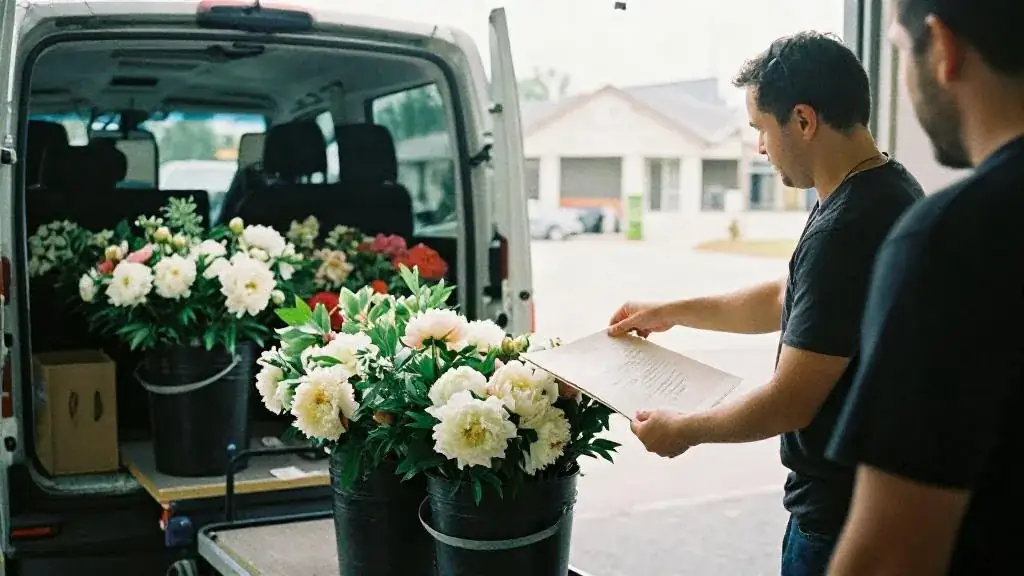
| 12:00 | Cars depart for the church; florist delivers ceremony arrangements | Church | Transport lead; florist confirms by text |
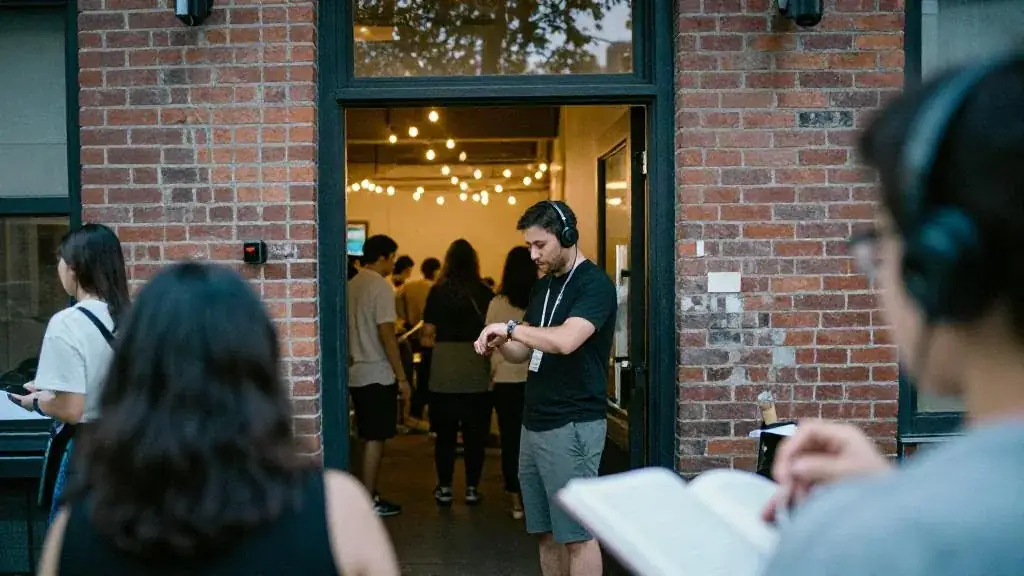
| 12:30 | Guests arrive; string trio plays prelude; ushers seat | Church | Ushers briefed by planner assistant |
| 13:00 | Ceremony begins | Church | Planner cues processional music; priest nods to assistant at door |
| 13:45 | Recessional; receiving line outside; family photos on steps | Church | Photographer runs a printed shot list; 20 minutes maximum |
| 14:00 | Loft load-in: rentals, lighting, florist, band, DJ, caterer | Loft | Planner on site; loading dock booked 14:00–16:30 |
| 14:15 | Wedding party photos; guests head home or to the loft area | Three locations | Transport lead; planner at the loft from 14:00 |
| 16:30 | Room reset complete; sound check; tables numbered; place cards checked | Loft | Planner walks the room with the caterer captain |
| 17:00 | Nikah in the side room with families; bar closed; doors open to all guests at 17:15 | Loft | Imam; planner at the door |
| 17:30 | Cocktail hour; close-up magician strolling; canapés; bar opens | Loft mezzanine | Caterer captain; magician booked 17:30–19:30 |
| 18:30 | Guests seated; MCs welcome; grand entrance with dhol player | Main floor | MC cues DJ; dhol player stationed at the door at 18:20 |
| 18:45 | First course served; parents’ speeches between first and second course | Main floor | MC and caterer captain agree the cue; no speeches during service |
| 19:30 | Main course; band plays Portuguese set | Main floor | Band leader |
| 20:30 | Toasts, cake cutting, first dance, parent dances | Dance floor | MC; photographer and videographer in position two minutes early |
| 21:00 | Dance floor opens with Punjabi set and family choreography | Dance floor | Band then DJ; cousins staged at 20:55 |
| 22:00 | Late-night food: Portuguese pastries and samosas | Mezzanine | Caterer |
| 23:40 | Last dance and send-off | Dance floor | DJ; planner has the couple’s car at the door at 23:30 |
| 00:00 | Hard out; vendors load out until 01:00 | Loft | Planner closes with venue manager; gifts and cards signed over to the designated family member |
How to write cues that work
A cue has three parts: a trigger, an action and an owner. “When the second course is cleared, the MC invites the parents to speak; caterer captain tells the MC” is a cue. “Speeches at 7” is a hope. Every moment that involves two vendors needs a written handoff: the caterer and the MC for speeches, the DJ and the photographer for the first dance, the dhol player and the door staff for the entrance. The photographer must know the exact minute of every moment that cannot be repeated.
Padding goes in three places. Photos after the ceremony always run long; give them 20 minutes and plan for 30. Load-in always has a late truck; book the dock for 30 minutes longer than you need. Speeches always run long; tell each speaker three minutes and plan for five.
The vendor one-pagers
Each vendor gets only the lines that involve them, plus the arrival time, the parking and loading instructions, the on-site contact number (yours) and the venue manager’s number. The band’s sheet has the sound check, the set times, the meal time and the hard out. The caterer’s sheet has the counts by table, the dietary list, the speech cues and the late-night service. The photographer’s sheet is the full timeline, because they need to be everywhere. Send the one-pagers ten days before and confirm receipt by reply, not by assuming.
Worked example: what changed on the day
At 13:50 the church photos were running 15 minutes behind, because the extended Ferreira family is larger than the shot list suggested. The planner assistant at the loft already had the room ahead of schedule, so we absorbed it by shortening the wedding party photos and starting the nikah on time. At 20:20 the caterer captain reported the main course would clear ten minutes late; we moved the toasts to begin while dessert was being served, which the MCs had been told might happen, and the first dance landed at 20:50. The dance floor opened at 21:05. Nobody in the room noticed either change, which is the only measure of a run of show that matters.
Numbers to remember
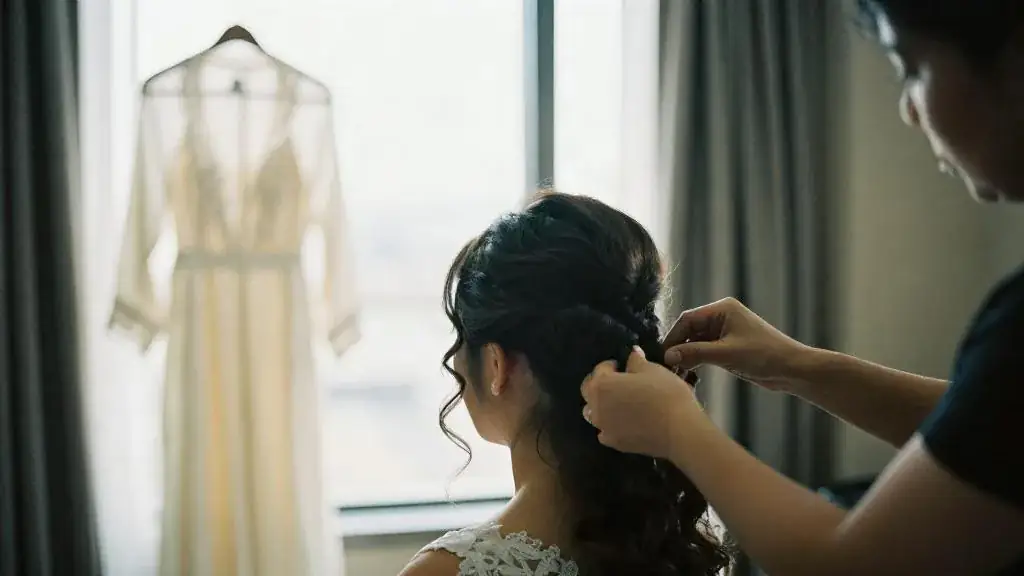
- Hair and makeup: typically allow 45 to 60 minutes per person and start five to six hours before the ceremony for a party of five.
- Family photos after the ceremony: 20 minutes planned, 30 expected.
- Speeches: three minutes asked, five minutes planned, never during service.
- Close-up entertainment during cocktails: one performer per 40 to 60 guests.
- Vendor one-pagers out ten days before; confirm by reply.
Worksheet
Apply this lesson to a real or practice event using the worksheet, then mark the lesson complete to track your progress toward the certificate.
Related guides, venues and vendors
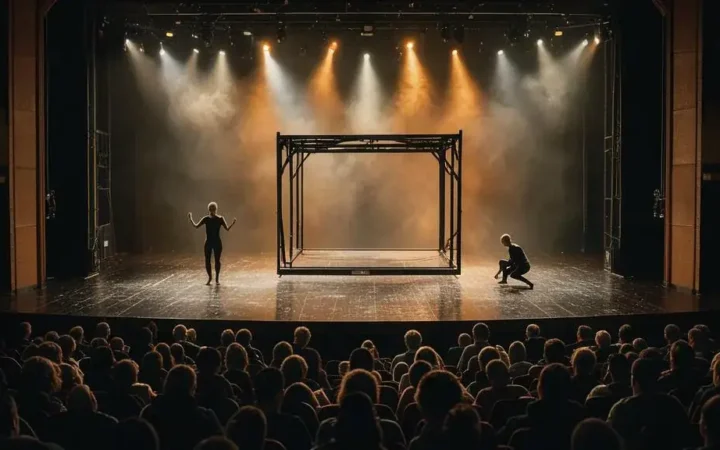
Grand illusion show & stage illusionist · Magic Magic roster
Entertainment, Magicians
Illusionist and magician behind The Grand Illusion Show: stage illusion with dancers and assistants, corporate close-up, weddings, school assemblies and kids' shows…
Read more
Wedding themes & décor
Weddings
Choosing a wedding aesthetic and briefing décor, florals and lighting.
Read more
Best rooftop venues in Toronto for events
October 23, 2026 · 1 min read
How to choose a Toronto rooftop: season, wind, sound bylaws, rain plans and capacity, plus the directory filter that lists them.
Read more