The space contract is the number everyone remembers and the smallest half of the bill. Below are typical GTA ranges, before HST, for a single show. Every line is labelled typical because show organizers, contractors and display houses all price differently; treat them as planning figures and replace them with quotes as they arrive.
Read the transcript
Trade show budget guide: GTA price ranges.
The space contract is the number everyone remembers and the smallest half of the bill.
Below are typical GTA ranges, before HST, for a single show.
Typical GTA ranges, before HST.
Four rules for an exhibitor budget.
Add 13 percent HST to every quote before you compare. Organizers, contractors and display houses all quote before tax.
Four reps on the floor for three days plus a travel day is sixteen working days taken from the sales calendar. Put it in the sheet even if it is not an invoice; the ROI calculator needs it.
Where to spend and where to save.
Spend on the things that start conversations: the aisle edge, the lighting, the demo, the scheduled show and the people.
Save on the things nobody remembers: rigid panels that cost more to ship than to print, giveaways in bulk, and furniture rented from the show contractor when a display house can supply it with the booth.
Working the number backwards.
Total the sheet, then decide how many qualified leads and meetings it has to produce.
If a 10 by 10 programme costs roughly 20,000 dollars all-in and your average deal is 10,000 dollars with a one-in-five close rate from a qualified meeting, you need ten meetings to break even on the first order.
The full guide, with tables and checklists, continues below this video.
Typical GTA ranges, before HST
| Category | Typical GTA range, before HST | Notes |
|---|---|---|
| Space, 10 × 10 inline | $2,500–$6,000 | Corners and premium positions higher; consumer shows often lower per square foot |
| Space, 20 × 20 island | $10,000–$30,000 | Depends heavily on the show; early-bird discounts matter |
| Rented modular booth, 10 × 10 | $2,000–$6,000 | Includes graphics printing; counter and lighting often extra |
| Custom build, 20 × 20 | $30,000–$100,000+ | Multi-year asset; add storage and refurbishment per show |
| Graphics reprint | $800–$4,000 | Fabric walls are cheaper to reprint than rigid panels |
| Material handling (drayage) | $300–$2,500 | Charged by weight; crated and skidded freight is cheaper to handle than loose pieces |
| Electrical | $250–$1,500 | Per circuit plus labour at the convention venues; order by the discount deadline |
| Internet (hard line) | $300–$1,200 | Show Wi-Fi is unreliable for demos and lead capture |
| Carpet and padding | $300–$1,200 | Mandatory at many shows if the hall floor is bare |
| Cleaning and rigging | $150–$2,500 | Rigging only for islands with hanging signs |
| Shipping (round trip, GTA to GTA) | $400–$2,000 | Cross-border and air freight several times that |
| Lead retrieval scanner | $300–$800 | Per device; a tablet form is cheaper if the show permits it |
| Trade show magician / sales presenter | $1,500–$5,000 per day | Scheduled micro-shows all day; multi-day rates are usually lower per day |
| Caricaturist or other draw | $600–$1,500 per day | |
| Giveaways and collateral | $500–$5,000 | One good item beats five cheap ones |
| Staff travel, hotel, meals | $300–$600 per person per night | Downtown hotels during major shows at the top of the range |
| Hospitality suite or client dinner | $2,000–$15,000 | Hotel suites add an 18% service charge on F&B at most properties |
| Event liability insurance (if not already covered) | $150–$400 | One-day $2–5M liability; most shows require a certificate |
| Photographer for the booth | $1,500–$4,000 | 6–8 hours; worth it for the next year’s space pitch |
Four rules for an exhibitor budget
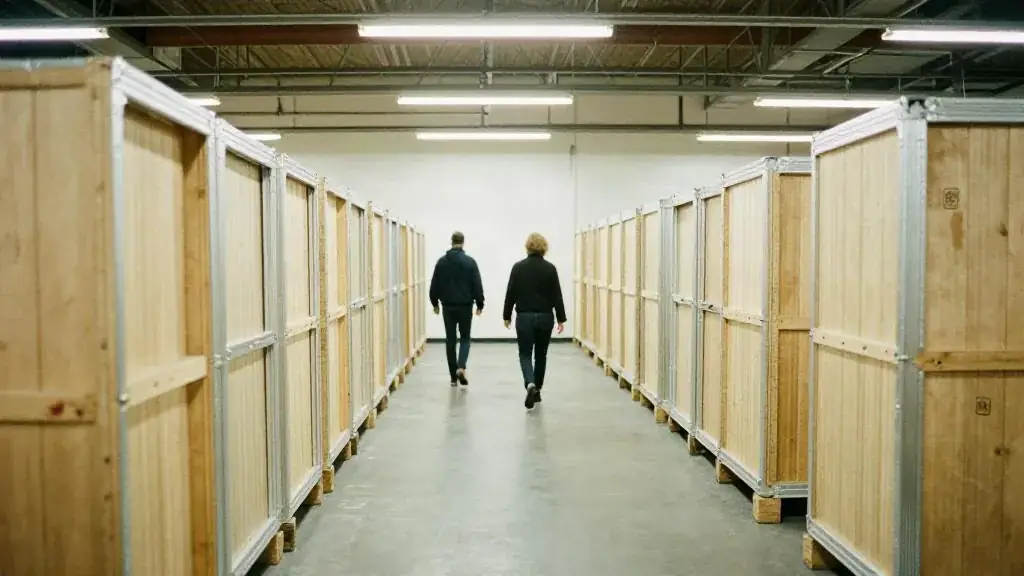
- Add 13% HST to every quote before you compare. Organizers, contractors and display houses all quote before tax. Hotel hospitality suites also add an 18% service charge on food and beverage, and the service charge is itself taxable; ask whether it reaches the staff.
- Count staff time. Four reps on the floor for three days plus a travel day is sixteen working days taken from the sales calendar. Put it in the sheet even if it is not an invoice; the ROI calculator needs it.
- Order services by the discount deadline. In our experience, the same electrical and handling orders placed on site run noticeably higher, and on a busy move-in day they may not be filled at all. Missing the advance warehouse window and shipping direct adds marshalling delays rather than cost, but the effect on the team is the same.
- Keep a 10% contingency. It covers the extra circuit, the replacement graphic, the second scanner and the dinner the client asks for on the last night.
Where to spend and where to save
Spend on the things that start conversations: the aisle edge, the lighting, the demo, the scheduled show and the people. Save on the things nobody remembers: rigid panels that cost more to ship than to print, giveaways in bulk, and furniture rented from the show contractor when a display house can supply it with the booth. A custom build makes sense once you exhibit at three or more shows a year with the same footprint; before that, a rented modular booth with your own fabric graphics does the job.
Working the number backwards
Total the sheet, then decide how many qualified leads and meetings it has to produce. If a 10 × 10 programme costs roughly $20,000 all-in and your average deal is $10,000 with a one-in-five close rate from a qualified meeting, you need ten meetings to break even on the first order. Put the numbers into the event ROI calculator before you sign, and build the sheet in the event budget sheet so the actuals land next to the estimates afterwards.

Related guides, venues and vendors
Trade show entertainment ideas
Trade Shows & Booth Activations
Sales magicians, scheduled micro-shows, presenters, caricaturists and demos that stop traffic and hand leads to the reps, with briefing notes and typical…
Read more
Trade show etiquette & FAQs
Trade Shows & Booth Activations
Exhibitor etiquette on a Toronto show floor, staffing rotations, the lead hand-off, privacy rules for lead capture, and the questions first-time exhibitors…
Read more
Trade show venue guide
Trade Shows & Booth Activations
What the Toronto and GTA exhibition venues mean for an exhibitor: load-in, docks, ceiling heights, labour rules, parking, hotels and the questions…
Read more