Trade shows are deadline-driven in a way most events are not. The show organizer and its official contractors publish dates for space, services and shipping, and each missed date costs money or a position on the floor. Generate a dated version with the timeline generator and pin the exhibitor manual deadlines to it as soon as the manual is released.
Read the transcript
Trade show planning timeline.
Trade shows are deadline-driven in a way most events are not.
The show organizer and its official contractors publish dates for space, services and shipping, and each missed date costs money or a position on the floor.
9 to 12 months out.
Rank them by who attends, not by how big they are: the attendee profile in the show prospectus matters more than the attendance figure.
Set the measure of success (qualified leads, meetings, demos, pipeline) and the budget. Run a first pass through the event ROI calculator with a realistic lead target.
6 months out.
Brief the booth designer or display house. Give them the show's booth regulations (height limits, sightline rules for inline spaces, hanging-sign rules for islands) before they sketch anything.
Book hotel rooms for the booth team. For downtown shows, the hotels attached to the convention centre fill with exhibitors first.
3 to 4 months out.
The exhibitor manual is usually released around now. Read it end to end and transfer every deadline to your timeline: material handling, electrical, internet, carpet, cleaning, rigging, lead retrieval rental, badge registration, advance warehouse receiving dates, move-in and move-out windows, insurance requirements.
Order show services by the discount deadline. Electrical is the item most often forgotten; a booth with screens and a coffee machine needs more than one circuit.
6 to 8 weeks out.
Approve graphics proofs at full size on screen and check the main message reads from ten metres. Order collateral and giveaways; keep both to one thing each.
Send the performer or presenter the product brief, the three talking points, and the booth layout so the show faces the aisle. Agree the show schedule (off the hour, every 30 minutes, during peak traffic).
2 to 3 weeks out.
Ship to the advance warehouse within its receiving window. Direct-to-show shipping arrives during move-in and queues at the marshalling yard; the advance warehouse is slower to ship to but faster on the day.
Brief the booth team: the message, the qualifying question, the hand-off from entertainment to rep, the rotation, the dress, the rules (no sitting, no phones, no eating in the booth).
Move-in.
Arrive when your move-in window opens, not before. Check the booth against the floor plan, the power against the order, and the carpet before the display goes up.
Walk the performer through the space and run one full micro-show before doors. Fix the sightline now.
The full guide, with tables and checklists, continues below this video.
9–12 months out
- Choose the shows. Rank them by who attends, not by how big they are: the attendee profile in the show prospectus matters more than the attendance figure.
- Set the measure of success (qualified leads, meetings, demos, pipeline) and the budget. Run a first pass through the event ROI calculator with a realistic lead target.
- Book space. Early-bird deadlines for the large annual Toronto shows fall months out, and returning exhibitors often rebook on site the year before. Ask for the floor plan and choose a position near traffic generators: entrances, the food area, the main stage, large anchor exhibitors.
- Decide the booth strategy: rented modular, owned modular you reuse, or a custom build. A custom booth is a multi-year asset; cost it across every show it will appear at.
6 months out
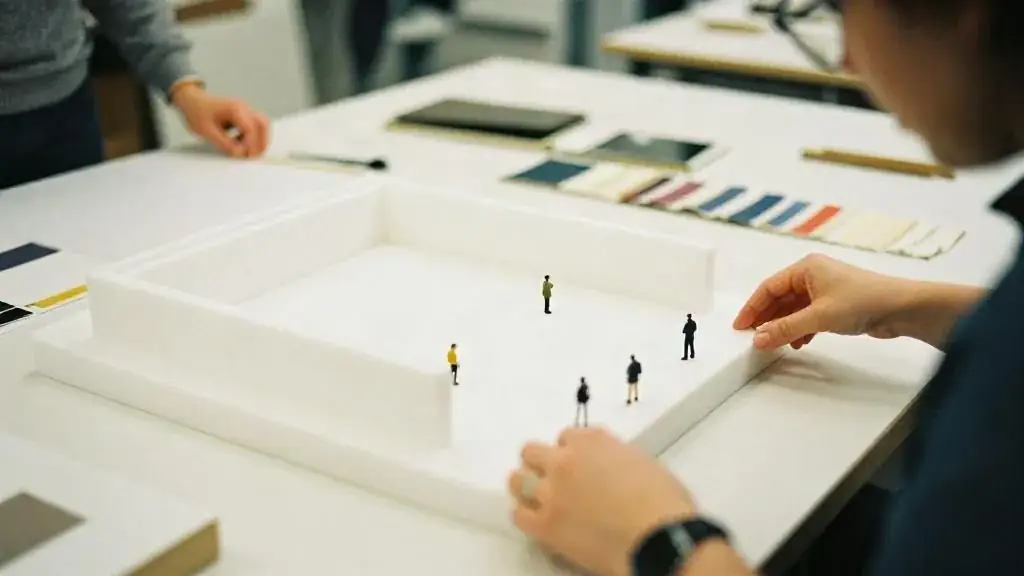
- Brief the booth designer or display house. Give them the show’s booth regulations (height limits, sightline rules for inline spaces, hanging-sign rules for islands) before they sketch anything.
- Book hotel rooms for the booth team. For downtown shows, the hotels attached to the convention centre fill with exhibitors first.
- Book sales entertainment and any demo talent now. Good trade show magicians and presenters are booked by the same show cycle every year; a performer who already knows your industry saves a week of briefing. Confirm their dates in writing and ask for a certificate of insurance.
- Decide the product or offer the booth will lead with. One message, one call to action.
3–4 months out
- The exhibitor manual is usually released around now. Read it end to end and transfer every deadline to your timeline: material handling, electrical, internet, carpet, cleaning, rigging, lead retrieval rental, badge registration, advance warehouse receiving dates, move-in and move-out windows, insurance requirements.
- Order show services by the discount deadline. Electrical is the item most often forgotten; a booth with screens and a coffee machine needs more than one circuit.
- Name the booth team and the rotation. Two people on the aisle edge at all times, shifts of about 90 minutes, nobody on the floor for more than six hours a day.
- Design the lead capture: badge scanner rental or a tablet form, one qualifying question, a field for the rep’s name and a note. Write the PIPEDA-compliant consent line that appears on the form and on any contest ballot.
- Book the hospitality: a hotel suite, a client dinner room, or a breakfast. Private rooms at the restaurants near the convention centres book out during the biggest shows.
6–8 weeks out

- Approve graphics proofs at full size on screen and check the main message reads from ten metres. Order collateral and giveaways; keep both to one thing each.
- Send the performer or presenter the product brief, the three talking points, and the booth layout so the show faces the aisle. Agree the show schedule (off the hour, every 30 minutes, during peak traffic).
- Pre-show outreach: invite existing customers and target accounts to a specific time at the booth, or to the hospitality event. Appointments booked before the show are the most reliable meetings you will have.
- Register booth staff for badges; most shows charge for extra badges after the deadline.
- Confirm the certificate of insurance the show requires and send it to the organizer. See the COI entry.
2–3 weeks out
- Ship to the advance warehouse within its receiving window. Direct-to-show shipping arrives during move-in and queues at the marshalling yard; the advance warehouse is slower to ship to but faster on the day.
- Brief the booth team: the message, the qualifying question, the hand-off from entertainment to rep, the rotation, the dress, the rules (no sitting, no phones, no eating in the booth).
- Pack the booth kit: tape, cable ties, extension cords, a label printer, cleaning wipes, a first-aid kit, spare chargers, the day-of emergency kit adapted for a show floor.
- Print the run of show for each show day with the micro-show times and the staff rotation, and the vendor contact sheet with the display house, the contractor service desk, the performer and the hotel.
Move-in
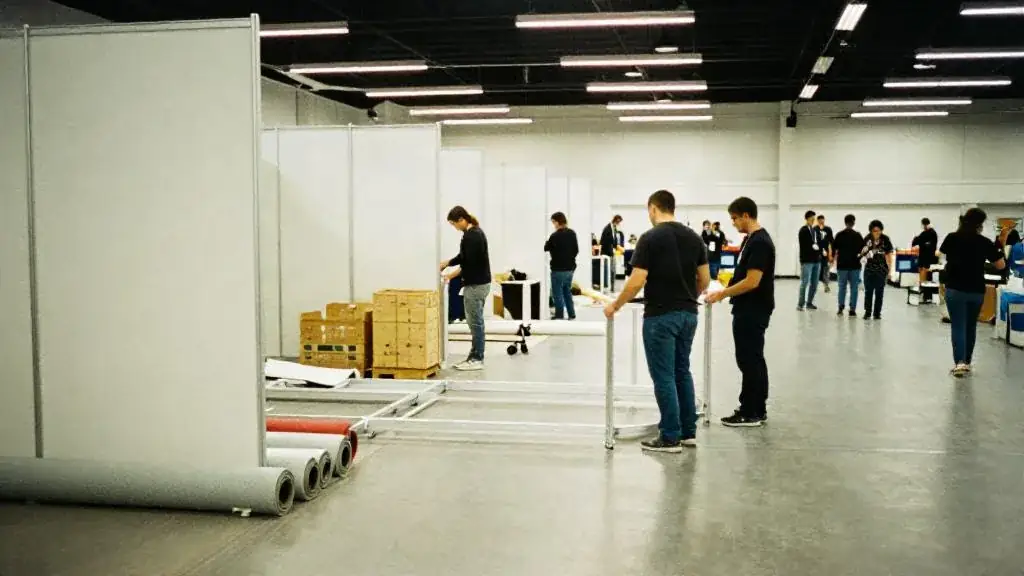
- Arrive when your move-in window opens, not before. Check the booth against the floor plan, the power against the order, and the carpet before the display goes up.
- Walk the performer through the space and run one full micro-show before doors. Fix the sightline now.
- Test the lead capture with a real badge or a test record and confirm the export works.
Show days
- Fifteen-minute huddle before doors: yesterday’s numbers, today’s target, the rotation.
- Upload leads every evening with the notes while they are fresh. Reps forget by morning.
- Never start packing before the show closes. Organizers notice, neighbours resent it, and buyers who walk the floor on the last afternoon are often the serious ones.
Move-out and after
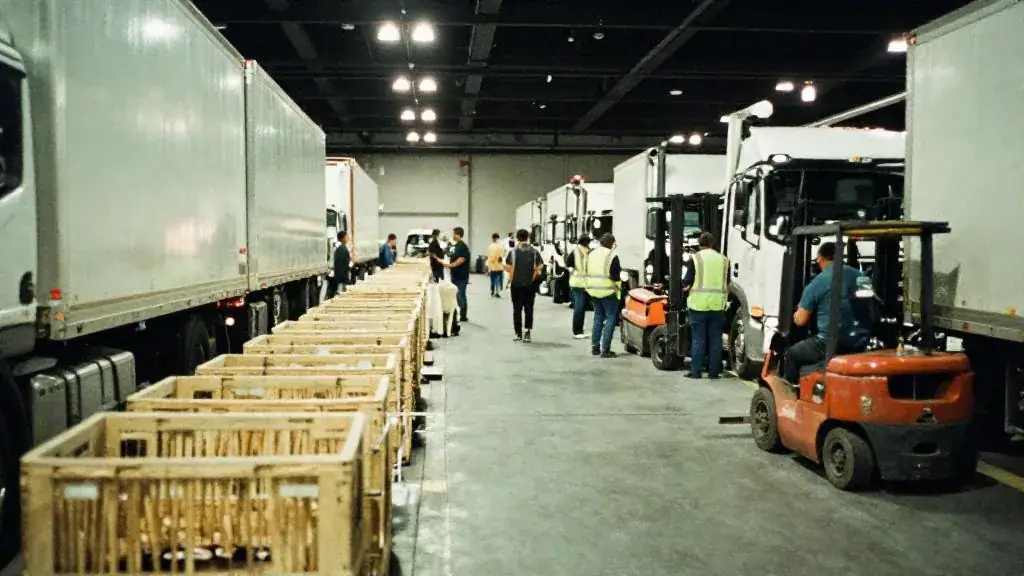
- Move-out at the large halls is a queue for empty crates and dock time; build in the extra hours and keep one person with the materials until they are collected.
- Within 48 hours: every lead receives a personal follow-up from the rep who met them, not a generic blast.
- Within 30 days: pull the full cost (space, build, services, shipping, travel, staff time, entertainment, hospitality) into the ROI calculator, count qualified leads and meetings, and decide whether to rebook. Send the post-event survey to the booth team while the lessons are fresh.
Related guides, venues and vendors
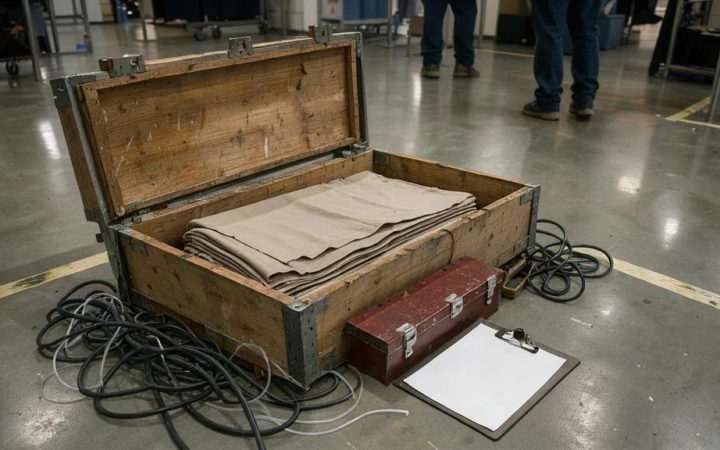
Trade show checklist
Trade Shows & Booth Activations
The printable exhibitor checklist from space contract to the 30-day ROI review. Progress saves in your browser.
Read more
Trade Shows & Booth Activations
Event hub
Getting traffic to a trade show booth: layout, staffing, lead capture, and sales entertainment that pulls crowds.
Read more
Trade show venue guide
Trade Shows & Booth Activations
What the Toronto and GTA exhibition venues mean for an exhibitor: load-in, docks, ceiling heights, labour rules, parking, hotels and the questions…
Read more