Show floors have unwritten rules that organizers, neighbours and buyers all know. Break them and the booth underperforms for reasons nobody will tell you about.
Read the transcript
Trade show etiquette and FAQs.
Show floors have unwritten rules that organizers, neighbours and buyers all know.
Break them and the booth underperforms for reasons nobody will tell you about.
Booth staff etiquette.
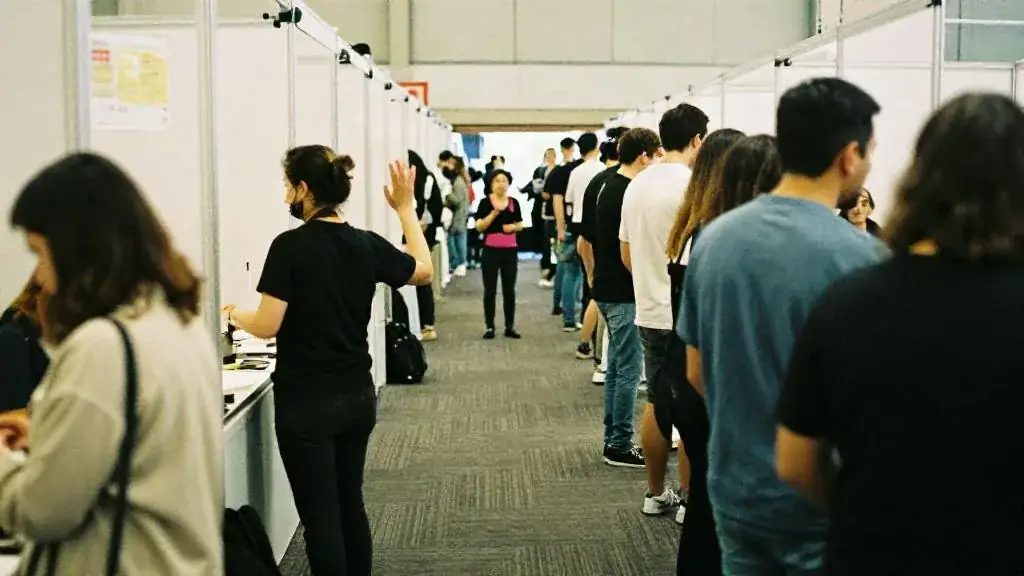
Stand, at the edge, facing out. Two people on the aisle line at all times.
Rotations of about 90 minutes. After that, smiles go and the lead quality drops.
Entertainment etiquette.
A scheduled show at your booth is a draw for the row, which is good, and a crowd on the aisle, which is not.
Keep the audience inside your line, keep the volume to what a small amplifier needs, and finish on time so the next show at the neighbouring stage does not clash.
Lead capture and privacy.
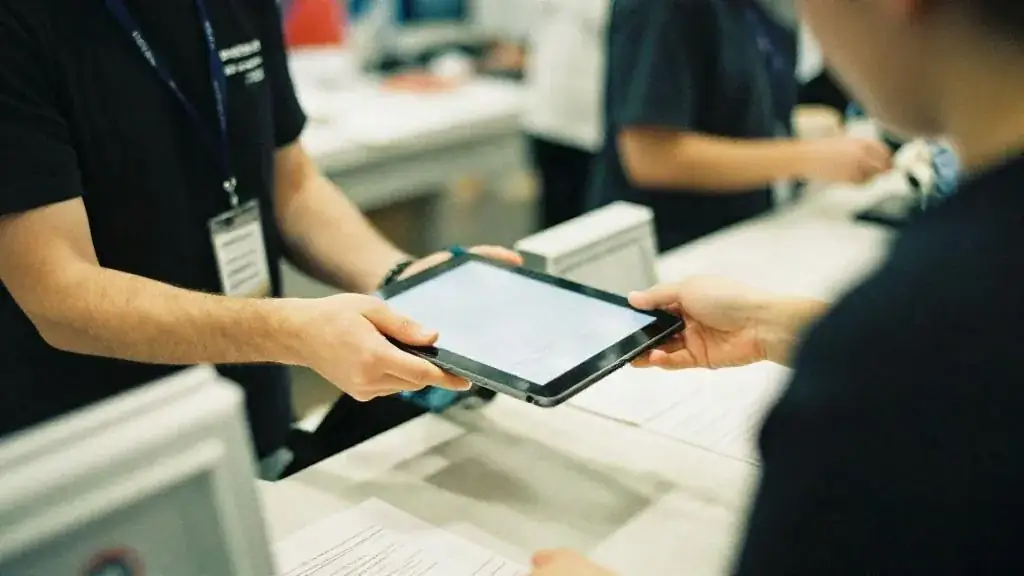
Badge scanning, ballots and tablet forms all collect personal information, and in Canada pipeda governs it: collect only what you need, say why you are collecting it, get consent, protect it, and delete it when it is no longer needed.
Practically: a one-line consent on the form ("By scanning you agree to receive follow-up from us about X; unsubscribe any time"), no scanning without asking, no buying or scraping attendee lists, and a 48-hour follow-up that mentions the show so the person remembers agreeing.
The hand-off from booth to sales.
A lead is not a lead until a rep owns it.
Tag every record at the booth with the rep's name, the qualifying answer and a note; upload nightly; assign follow-up on the last day of the show; and report back to the booth team at thirty days on what converted.
The full guide, with tables and checklists, continues below this video.
Booth staff etiquette
- Stand, at the edge, facing out. Two people on the aisle line at all times. Nobody sits, nobody stands at the back wall talking to each other, nobody is on a phone. Chairs in the booth are for visitors.
- Rotations of about 90 minutes. After that, smiles go and the lead quality drops. Nobody works the floor more than six hours in a day, and nobody works the booth within an hour of a client dinner ending at midnight.
- Open with a question, not a pitch. “What brings you to the show?” beats “Can I tell you about our product?” every time. Qualify in one question, then decide: scan and move on, or pull up a stool.
- Do not fish in the aisle. Handing out flyers or working visitors in the aisle outside your line breaks most show regulations and annoys the neighbours whose space you are standing in.
- Respect the neighbours. Sound at conversational level; no tall elements on the shared edge; no crowds spilling into their space; a friendly word at move-in.
- Dress one level above the audience. Branded shirts are fine for a consumer show; a jacket for a professional one. Comfortable shoes are not optional.
- Never pack early. Teardown before the show closes is the fastest way to a poor space allocation next year, and the last afternoon is when the serious buyers walk.
Entertainment etiquette
A scheduled show at your booth is a draw for the row, which is good, and a crowd on the aisle, which is not. Keep the audience inside your line, keep the volume to what a small amplifier needs, and finish on time so the next show at the neighbouring stage does not clash. Tip the performer with a good review and a rebooking rather than cash; they are a vendor, not a server.
Lead capture and privacy
Badge scanning, ballots and tablet forms all collect personal information, and in Canada PIPEDA governs it: collect only what you need, say why you are collecting it, get consent, protect it, and delete it when it is no longer needed. Practically: a one-line consent on the form (“By scanning you agree to receive follow-up from us about X; unsubscribe any time”), no scanning without asking, no buying or scraping attendee lists, and a 48-hour follow-up that mentions the show so the person remembers agreeing. If you photograph or film the booth, post a notice and honour anyone who asks not to appear.
The hand-off from booth to sales
A lead is not a lead until a rep owns it. Tag every record at the booth with the rep’s name, the qualifying answer and a note; upload nightly; assign follow-up on the last day of the show; and report back to the booth team at thirty days on what converted. The reps who worked the floor are the ones who will be asked to do it again, and they deserve to know whether it paid.
Frequently asked questions
How many people should staff a 10 × 10 booth?
Two on the floor at all times, which means three or four people on the team so that rotations and meal breaks work across a full show day.
How long should a booth shift be?
About 90 minutes on the aisle, then a break. In our experience lead quality drops sharply after two hours on your feet in a loud hall.
Can we hand out flyers in the aisle?
Almost never. Show regulations restrict soliciting to inside your own space, and security enforces it. Draw people in with a show, a demo or a coffee instead.
Do we need insurance to exhibit?
Most organizers require a certificate of insurance naming the show and the venue, typically for general liability. If your company policy does not cover it, a one-day event liability policy for $2–5M coverage runs roughly $150–$400.
Can we run a prize draw at the booth?
A free-entry contest with no purchase required is not a lottery and does not need a lottery licence in Ontario. Keep the ballot simple, add a consent line for your lead list, and publish the rules on the sign.
Is a trade show magician appropriate for a serious B2B show?
Yes, when the routine is built around the product and the hand-off to a rep is scripted. A mentalist reads as more corporate for senior audiences; a presenter is better when the demo is the show. Listings owned by the site founder, who performs this work, carry a disclosure and no ranking preference.
What happens if our freight misses the advance warehouse deadline?
You ship direct to show site during move-in and queue at the marshalling yard. It usually arrives; it just arrives later than you want, with less time to build and rehearse.
How soon should we follow up leads?
Within 48 hours of the show closing, personally, from the rep who met them, mentioning the conversation. Generic blasts a week later land as spam.
Should we rebook on site?
If the show met its measure, yes; returning exhibitors who rebook on site get first choice of position. Pull the numbers into the ROI calculator before the last day so you can decide with data.
Related guides, venues and vendors
Trade show planning timeline
Trade Shows & Booth Activations
Twelve months out to thirty days after: when to book space, order show services, brief the booth team and follow up leads.
Read more
Hiring a trade show magician in Toronto: what to expect and what it costs
September 3, 2026 · 4 min read
Custom sales magic that stops foot traffic, gathers a crowd at your booth and delivers your pitch in a way people remember.
Read more
Trade show themes & booth design
Trade Shows & Booth Activations
Booth types and regulations, the message hierarchy, modular versus custom builds, branded environments, flooring, lighting and screens, and what to reuse show…
Read more