The ranges below are for a one-day professional conference of 150–300 delegates in Toronto. They are typical GTA ranges, before HST, gathered from venue price sheets and supplier quotes we see in practice. Multi-day events roughly scale with days; conventions with exhibit halls are a different animal and need a separate drayage and show-services budget.
Read the transcript
Conference budget guide: GTA price ranges.
The ranges below are for a one-day professional conference of 150 to 300 delegates in Toronto.
They are typical GTA ranges, before HST, gathered from venue price sheets and supplier quotes we see in practice.
Where the money goes.
Five rules for a conference budget.
Add 13 percent HST and the 18 percent service charge on food and beverage to every quote before you compare. A 120 dollars per-delegate lunch package is 160 dollars once the service charge and tax are added.
Model three attendance scenarios. Most of your costs are fixed (venue, AV, speakers); catering and badges are the only lines that move with attendance.
Pricing the tickets.
Work backward from the cost per delegate.
If fixed costs are 60,000 dollars and the planned attendance is 250, the fixed cost per seat is 240 dollars before catering.
Where first-timers overspend.
LED walls in rooms where two projection screens would do. Save the wall for the keynote room.
Printed programmes nobody opens once the app exists. Print a one-page agenda and the floor plan.
The full guide, with tables and checklists, continues below this video.
Where the money goes
| Category | Typical GTA range, before HST | Notes |
|---|---|---|
| Venue (hotel meeting floor) | $2,500–$12,000 per day | Often reduced or waived against a food and beverage minimum |
| Venue (convention centre hall) | $8,000–$40,000+ per day | Plus move-in and move-out days at a reduced rate; show services billed separately |
| Catering per delegate per day | $85–$160 | Two breaks and a lunch at a downtown hotel; add 18% service charge |
| Reception per guest | $45–$95 | Two hours, passed canapés and a hosted bar |
| AV, main room | $6,000–$25,000 | Stage, screens, lectern, sound, lighting, technicians; climbs quickly with LED walls |
| AV, each breakout room | $800–$2,500 | Projector or screen, sound, one technician shared across rooms |
| Hybrid stream production | $5,000–$20,000 | Separate crew, switcher, platform fees, captioning |
| Registration platform | 2–5% of ticket revenue plus per-ticket fees | Or a flat licence; test HST handling first |
| Keynote speaker | $0–$25,000+ | Industry peers often speak for travel; professional speakers are a market of their own |
| Entertainment between sessions | $1,500–$5,000 | Stage illusionist or mentalist, 30–45 min (typical GTA range, 2026) |
| Reception roaming entertainment | $600–$1,500 per performer | Close-up magician, 2 hours (typical GTA range, 2026) |
| Signage, badges, print | $2,000–$8,000 | Lanyards are usually a sponsor line |
| Photography | $1,500–$4,000 | 6–8 hours (typical GTA range, 2026) |
| Staffing and temporary labour | $1,500–$6,000 | Registration desk, room monitors, coat check |
| Event insurance (one-day liability $2–5M) | $150–$400 | Typical GTA range, 2026; check whether your organization’s policy already covers it |
| Planner or production manager | $4,000–$15,000 | Flat fee or a percentage of budget |
Five rules for a conference budget

- Add 13% HST and the 18% service charge on food and beverage to every quote before you compare. A $120 per-delegate lunch package is $160 once the service charge and tax are added. The service charge is itself taxable, and it is not necessarily a gratuity; ask the venue whether it reaches staff.
- Model three attendance scenarios. Most of your costs are fixed (venue, AV, speakers); catering and badges are the only lines that move with attendance. Break-even attendance is the number you need to know in month two, not month eleven. The event ROI calculator does this.
- Treat sponsorship as revenue that arrives late. Sponsors sign in the spring and pay in the fall. Do not spend the sponsorship line until the money is in the account.
- Budget AV labour separately from AV equipment. At the convention centres and unionized hotels, the technicians, the electrician and the loading dock labour are their own lines with minimum calls and overtime after a set number of hours. The venue guide explains the house rules.
- Keep a 10% contingency. Conferences spend it on last-minute AV changes, extra lunches for walk-ups and the speaker who needs a hotel night after all.
Pricing the tickets
Work backward from the cost per delegate. If fixed costs are $60,000 and the planned attendance is 250, the fixed cost per seat is $240 before catering. Add $160 for catering with tax and service, and each seat costs roughly $400 to deliver. A regular ticket at $495 with an early-bird at $395 leaves room for a 15% member discount and a student rate, with sponsorship covering the gap on the early seats. In our experience, three tiers (early, regular, late) with a visible price step at each close date outsell a flat price, and a late tier priced 20% above regular discourages the last-week rush that strains catering guarantees.
Where first-timers overspend
- LED walls in rooms where two projection screens would do. Save the wall for the keynote room.
- Printed programmes nobody opens once the app exists. Print a one-page agenda and the floor plan.
- Gift bags. Delegates remember the coffee and the Wi-Fi; nobody remembers the tote.
- A hybrid stream added “just in case”. A stream that reaches 40 people costs as much as one that reaches 400. Decide early whether virtual attendance is a product you will sell.
Build the full sheet in the event budget sheet and check the catering quantities with the food quantity calculator.
Related guides, venues and vendors
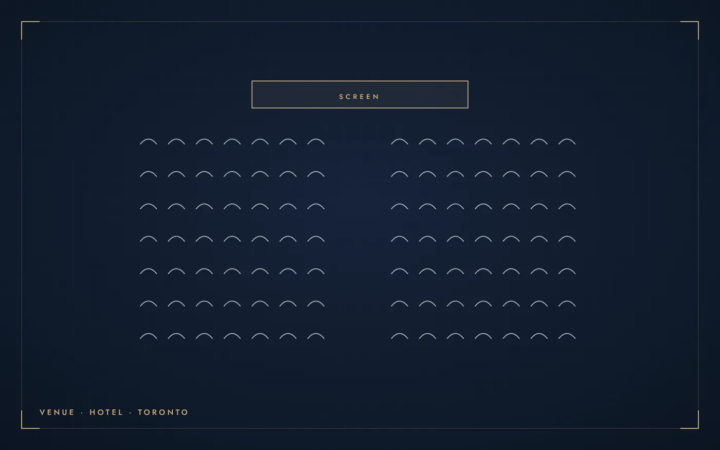
Fairmont Royal York
Downtown, Toronto · 300+ guests
In-house catering
The hotel lists more than 70,000 sq ft of meeting space across 36 venues.
Read more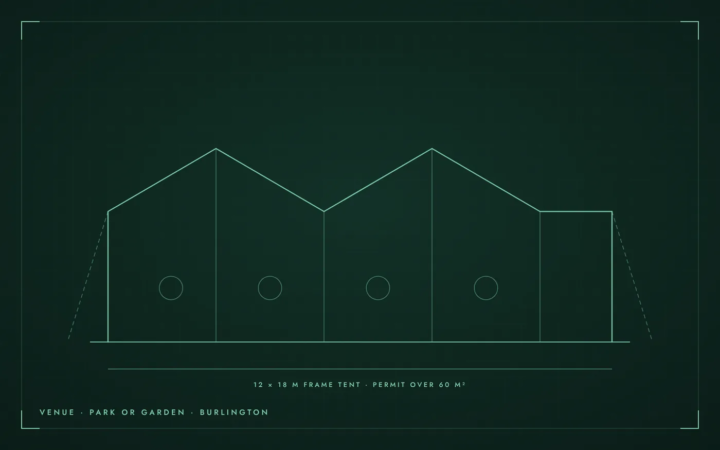
Royal Botanical Gardens
Burlington · up to 400 guests
In-house catering · Licensed bar · Free parking
Royal Botanical Gardens covers more than 1,100 hectares along the Hamilton–Burlington border.
Read more
Related articles & tools
Conferences & Conventions
Articles, tools and Academy lessons for conferences and conventions in Toronto and the GTA, in the order planners use them.
Read more