Backward planning from the opening keynote. This is the sequence for a one- or two-day conference of 150–800 delegates; scale the lead times up for a convention and down for a 60-person workshop. Generate a dated version with the timeline generator.
Read the transcript
Conference planning timeline.
Backward planning from the opening keynote.
This is the sequence for a one- or two-day conference of 150 to 800 delegates; scale the lead times up for a convention and down for a 60-person workshop.
12 to 18 months out.
Write the purpose statement and the audience profile. Decide in-person, hybrid or virtual; this decision changes everything downstream.
Set the budget envelope with three attendance scenarios (pessimistic, planned, sold out) using the event budget sheet.
9 to 12 months.
Sign the venue contract. Negotiate attrition (the penalty for falling short of the room block or food and beverage minimum), the cut-off date, and complimentary room ratios.
Build the sponsorship prospectus with the sponsorship deck template and open conversations with last year's sponsors before anyone else.
6 to 9 months.
Launch registration with the early-bird tier. In our experience, an early-bird window of six to eight weeks with a real price difference of 20 to 30 percent does more for cash flow than any later promotion.
Confirm the hotel room block and publish the booking link.
3 to 6 months.
Close early-bird; open regular pricing. Send the first speaker briefing with slide template, deadline and AV questionnaire.
Collect sponsor assets and confirm what each tier receives on site: logo placement, a speaking slot, an exhibit table, a sponsored break.
4 to 8 weeks.
Final speaker confirmations and slide collection. Nobody loads slides from a USB at the lectern.
Submit the AV order, the room sets and the banquet event orders to the venue. Read the BEOs line by line; what is on the BEO is what happens.
The week before.
Walk the venue with the AV lead and the catering manager. Check sightlines, the stage, the registration desk location and the step-free route from the accessible entrance to every room.
Finalize the run of show with one named owner per cue and print it. Hold a staff and volunteer briefing.
The full guide, with tables and checklists, continues below this video.
12–18 months out
- Write the purpose statement and the audience profile. Decide in-person, hybrid or virtual; this decision changes everything downstream.
- Set the budget envelope with three attendance scenarios (pessimistic, planned, sold out) using the event budget sheet.
- Pick two or three date windows that avoid your audience’s own busy season, statutory holidays, and the major industry show they already attend.
- Issue an RFP to shortlisted venues. Ask for theatre and classroom capacities, breakout rooms, the AV house rules, union and load-in terms, and the food-and-beverage minimum. Hold space at two venues until the budget is approved.
- Convention centres for large shows: commit now or earlier. Halls at the Metro Toronto Convention Centre and Enercare Centre are routinely booked more than a year ahead.
9–12 months

- Sign the venue contract. Negotiate attrition (the penalty for falling short of the room block or F&B minimum), the cut-off date, and complimentary room ratios.
- Build the sponsorship prospectus with the sponsorship deck template and open conversations with last year’s sponsors before anyone else.
- Confirm the keynote. The name sells the early-bird tier, so the keynote precedes the registration launch.
- Choose the registration platform. Test the HST handling, the badge export and the refund workflow before you commit.
- Open the call for speakers or proposals with a clear deadline six months out.
6–9 months
- Launch registration with the early-bird tier. In our experience, an early-bird window of six to eight weeks with a real price difference of 20–30% does more for cash flow than any later promotion.
- Confirm the hotel room block and publish the booking link.
- Appoint the programme committee and close the call for speakers. Build the session grid: tracks, rooms, lengths, transitions.
- Book the AV production company if you are not using the house supplier; book the hybrid stream crew as a separate contract.
- Book the entertainment for the opening, the post-lunch reset and the reception; the acts you want are often held for other events on the same day.
3–6 months

- Close early-bird; open regular pricing. Send the first speaker briefing with slide template, deadline and AV questionnaire.
- Collect sponsor assets and confirm what each tier receives on site: logo placement, a speaking slot, an exhibit table, a sponsored break.
- Draft the catering order: breaks, lunch, the reception. Collect dietary and accessibility needs on the registration form, not the week of.
- Order signage, badges, lanyards and printed programmes with a 4–6 week production lead.
- File the risk register with the risk register template: weather, a keynote cancellation, a power outage, a medical incident, a data breach of the registration list.
4–8 weeks
- Final speaker confirmations and slide collection. Nobody loads slides from a USB at the lectern.
- Submit the AV order, the room sets and the banquet event orders to the venue. Read the BEOs line by line; what is on the BEO is what happens.
- Confirm the load-in schedule and labour calls with the venue. At unionized venues this is the moment to find out what you may carry in yourself and what must be handled by house labour.
- Book accessibility services: captioning, ASL interpretation on request, a quiet room.
- Publish the app or the web agenda; send the “know before you go” email with transit, parking and coat-check information.
The week before
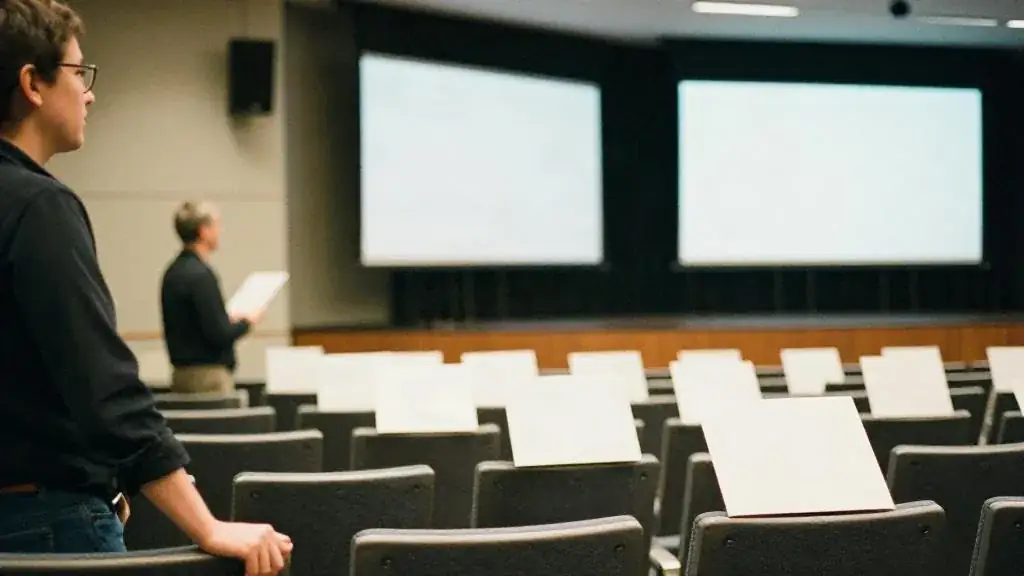
- Walk the venue with the AV lead and the catering manager. Check sightlines, the stage, the registration desk location and the step-free route from the accessible entrance to every room.
- Finalize the run of show with one named owner per cue and print it. Hold a staff and volunteer briefing.
- Confirm final numbers to catering at the venue’s guarantee deadline, typically 72 business hours before.
- Pack the day-of emergency kit: adapters, clickers, gaffer tape, spare badges, printed agendas.
Show day and the week after
- Registration opens 60 minutes before the first session. The coat check needs staff sized to the first 20 minutes, not the average hour.
- Send the post-event survey within 24 hours. Reconcile the venue invoice against the BEOs. Send sponsor fulfilment reports with photos within two weeks. Hold the debrief while it still hurts.
Related guides, venues and vendors
Wanuskewin Heritage Park
300+ guests
A First Nations heritage site and interpretive centre north of Saskatoon with meeting rooms, an outdoor amphitheatre and more than 6 km…
Read more
Delta Hotels Prince Edward
300+ guests
In-house catering · Outdoor space
A waterfront hotel with about 59,000 sq ft of event space in 31 rooms, including a combined ballroom of 22,800 sq ft…
Read more
Conference budget guide: GTA price ranges
Conferences & Conventions
What a Toronto conference costs by category, with typical GTA ranges for venue, AV, catering, registration, production and entertainment.
Read more