Wedding planning inquiries arrive in a predictable wave after the winter engagement season, and the planners who are ready for it book the year. Learn how to choose and work a wedding show, run a listing profile that earns its fee, and prepare your calendar and replies for the rush.
Read the transcript
Wedding planners: shows, listing platforms and the inquiry season.
Wedding planning has a tide.
Many couples get engaged over the December holidays, start looking at venues in January, and look for a planner within weeks of signing a venue contract.
The wedding marketing year.
Treat the year as four seasons with four different jobs.
The work you do in each quarter feeds the next one, and the busiest months for inquiries are not the busiest months for events.
Wedding shows: when a booth pays.
A wedding show puts hundreds of engaged couples in one room for a day.
It also puts dozens of competitors in the same room, at a booth fee plus your time, décor, printing and a weekend you do not get back.
Working the booth.
Couples at a show are tired, carrying bags and hearing the same words at every table.
Your booth has seconds to say something different.
Listing platforms.
The Knot, WeddingWire and Zola are search engines for couples.
They rank vendors partly on factors you control: a complete profile, recent reviews, fast response times and, on paid tiers, placement.
A first reply for the inquiry rush.
In January, couples send many inquiries in one evening.
The planner who replies first, personally and with a clear next step, usually gets the consultation.
That is the lesson. The worksheet and the quiz are just below this video.
What you will be able to do
- Plan your wedding marketing year around the engagement season, the show calendar and the summer booking lull
- Decide whether a wedding show booth or a paid listing is worth it, using cost per booking
- Build a booth plan, a listing profile and an inquiry reply that convert couples in the busy months
Wedding planning has a tide. Many couples get engaged over the December holidays, start looking at venues in January, and look for a planner within weeks of signing a venue contract. A planner who is ready in January can book most of a year’s calendar by spring. A planner who starts marketing in April finds the best couples already taken.
The wedding marketing year
Treat the year as four seasons with four different jobs. The work you do in each quarter feeds the next one, and the busiest months for inquiries are not the busiest months for events.

| Months | What couples are doing | Your marketing job |
|---|---|---|
| October to December | Getting engaged, telling family, browsing | Refresh the portfolio with this season’s weddings, update pricing, book your show booth, prepare listing profiles |
| January to March | Booking venues, attending shows, sending many inquiries at once | Answer fast, run consultations every week, work the shows, follow up within days |
| April to June | Booking remaining vendors, planning in earnest | Convert late inquiries, collect reviews from last year’s couples, publish real weddings |
| July to September | Getting married, or planning next year | Deliver events, capture content, ask for referrals, plan the autumn refresh |
The trap is obvious once you see it. Your peak event months are July to September, exactly when you have the least time to market. So the marketing for next year has to be built in October and November, while the events are fresh and the photos are arriving.
Wedding shows: when a booth pays
A wedding show puts hundreds of engaged couples in one room for a day. It also puts dozens of competitors in the same room, at a booth fee plus your time, décor, printing and a weekend you do not get back. Decide with arithmetic, not hope.
Worked example. These figures are illustrative. A planner considers a winter show in the suburbs.
- Booth fee: $1,400, plus HST
- Booth décor, printing and samples: $600
- Two people for two days, valued at $40 an hour for 24 hours in total: $960
- Total cost: about $2,960 before tax
Her past shows produced about 40 useful conversations, 12 consultations and 3 bookings at an average planning fee of $6,500. That is about $987 per booking, against $19,500 in fees. Compare that with her listing platform, which cost $2,400 a year and produced 4 bookings, or $600 per booking. Both are worth doing. If a show produces one booking, the cost per booking is close to $3,000, and she should rethink which show she attends or how she works the booth.
Choose shows by audience, not size. A small show at a venue that matches your couples, or a show aimed at one cultural community you serve well, can beat a large downtown show where your booth is one of three hundred.
Working the booth
Couples at a show are tired, carrying bags and hearing the same words at every table. Your booth has seconds to say something different. Plan it like a short performance.
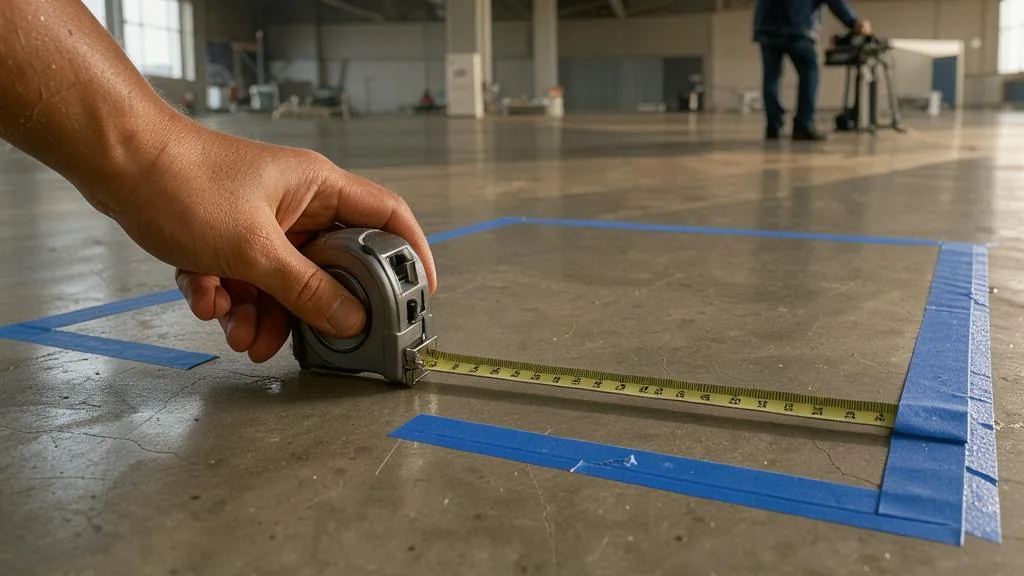
- One clear sign. Say who you plan for, not that you plan weddings. Multi-day South Asian weddings, small downtown weddings, or full planning for couples who both work long hours.
- One thing to touch. A printed sample timeline, a seating chart from a real wedding with names removed, or a planning binder. It makes the invisible service concrete.
- One opening question. Ask, have you booked your venue yet? The answer tells you whether the couple is ready for a planner and gives you something specific to talk about.
- One way to capture interest. A tablet form or a paper card that asks for name, email, wedding date, venue and whether they want planning updates by email. Keep the consent question separate and unticked.
- One follow-up plan. Send a personal note within three days to everyone who asked to hear from you, mentioning what you talked about. Offer a consultation slot that week.
Do not run a draw that requires couples to hand over details for a prize unless you have read the contest and consent rules carefully. A smaller list of couples who want to hear from you is worth more than a box of entry slips.
Listing platforms
The Knot, WeddingWire and Zola are search engines for couples. They rank vendors partly on factors you control: a complete profile, recent reviews, fast response times and, on paid tiers, placement. Before you pay, ask the platform’s sales representative for the number of couples searching for planners in your area and your likely position, then judge it against a target cost per booking.
A listing profile that converts has the same parts as a good service page:
- A first line that says who you serve and where, not a welcome message
- Real wedding photos credited to the photographers, with their permission
- A starting price or a clear range, shown as an all-in figure before HST
- Reviews from couples who actually booked you, never written by you or your staff
- A reply within the same business day, because response time is visible to couples and often affects ranking
Track every platform lead separately. If a platform sends many inquiries but few bookings, the problem may be your reply, your price, or couples who are sending the same message to twenty planners. Test a better first reply before you cancel.
A first reply for the inquiry rush
In January, couples send many inquiries in one evening. The planner who replies first, personally and with a clear next step, usually gets the consultation. Prepare a template you can personalize in two minutes.

Hi Aisha and Daniel, congratulations on your engagement, and thank you for thinking of us. A wedding at the Riverside Pavilion on Saturday, 19 June next year sounds lovely; we have planned two weddings there and know the space well. That date is currently open. Our full planning starts at $6,500 before HST, and most couples at that venue choose our partial planning at $4,200. The easiest next step is a 30-minute video call. I have Tuesday at 7 p.m. or Thursday at 12:30. Which suits you? Warmly, Hana
Every reply should confirm the date, show you read their message, give a price signal and offer two specific times. Hold the date for nobody until a contract and deposit are in, and say so politely.
In Canada and the GTA
The local show calendar. The largest GTA bridal shows run in January and early February, with a smaller autumn wave in September and October. Alongside them, venues across Vaughan, Mississauga, Markham and Brampton host their own open houses, and community-focused shows serve South Asian, Chinese, Caribbean, Italian, Portuguese, Filipino and other communities. For many planners, a smaller show aimed at the couples they serve outperforms a general show. Ask the organizer for last year’s attendance and the number of planners exhibiting before you sign.
Multi-day and multi-event weddings. In Toronto and Peel, many weddings span several events over two or three days. Couples planning a mehndi, sangeet, ceremony and reception often book a planner earlier than couples planning a single evening. Show this explicitly on your listing profiles and booth sign if you serve these weddings, with a sample timeline that covers every event.
Collecting couples’ details under CASL. Emails you send to couples about your services are commercial electronic messages. A couple who sends you an inquiry gives you implied consent for six months from the inquiry, and a couple who books you gives you implied consent for two years from the purchase. Express consent, such as an unticked box at your booth that says yes, send me planning tips and offers by email, has no time limit until the person withdraws it. Every message needs your business name, a mailing address, a phone number, email or website, and an unsubscribe link that works for at least 60 days, and you must process unsubscribes within 10 business days. The CRTC’s guidance on consent sets this out. A business card a couple hands you can support implied consent; the CRTC suggests confirming it with a follow-up that mentions when and where you met.
Personal information at shows. Under PIPEDA, the names, dates and venues you collect are personal information. Say why you are collecting them, keep the cards or tablet data secure, and do not share the list with other exhibitors.
Prices on listings. Since June 23, 2022, the Competition Act treats drip pricing as a false or misleading representation. If your listing shows a starting price, it must include every mandatory fee, such as an admin or booking fee. Only HST, which is imposed by law, may be added on top. The Competition Bureau’s guidance on drip pricing explains what it expects to see.
Reviews on platforms. The Competition Bureau warns that anyone who writes or permits reviews that give a false or misleading impression could be liable. Employees and family members must not post undisclosed reviews of your business. On Google, merchants may not offer incentives for reviews or ask only happy couples to review. Ask every couple, after every wedding, in the same way.
GTA pricing reality. Couples in the GTA face high venue and catering costs, and the planner’s fee is often the line they question. Typical ranges vary widely by scope, but a clear breakdown of partial and full planning, with what each includes in hours and meetings, answers the question before it is asked. In the summer lull from July to September, offer consultations on weekday evenings for couples planning the following year, and use autumn to collect the reviews and real wedding photos that will make your January listings stronger.
French-language couples. If you serve couples from Ottawa, eastern Ontario or Quebec, a short French version of your listing and reply template signals that you can work with both families comfortably.
This is general information, not legal advice. Check the official source or a lawyer for your own situation.
Worksheet
Download the worksheet and complete it for your own business, using Lantern & Lane as the model where it helps. Keep it with your marketing plan. It takes about 10 minutes.

Check your understanding
Related guides, venues and vendors

Listing platforms and directories
Specialist Track: Marketing for Venues · 20 min
Wedding marketplaces, corporate sourcing tools, hourly space-rental sites and directories all promise venue leads, at very different costs. Learn how each type…
Read more
Networking, trade shows and wedding shows
Module 11: Referrals, Partnerships, Reviews and PR · 20 min
Wedding shows, trade shows and networking events put you in front of buyers and partners face to face, but only a planned…
Read more
The wedding-day run of show
Specialist · Weddings · 15 min
A real 14-hour run of show from hair and makeup to last dance, with vendor cues.
Read more