Reading riders, aerial rigging certification, stilt and Cyr wheel clearances, fire and LED rules.
Read the transcript
Riders, rigging and ceiling heights.
Reading riders, aerial rigging certification, stilt and Cyr wheel clearances, fire and LED rules.
Why the rider matters.
A rider is the performer's list of what they need to do the show: space, floor, power, sound, light, rigging, a changing room, water, timing.
Planners who skim riders find out on the day that the stage is too small, the ceiling too low or the mic is the wrong kind.
Reading a rider: the procedure.
Performing area in metres, including clearances to the audience. Mark it on the floor plan.
Some acts cannot work on carpet; others cannot work on a polished floor.
Aerial rigging: the non-negotiables.
Aerial acts (silks, lyra, straps, aerial duos) hang from a point in the ceiling.
That point is the single biggest safety decision in entertainment booking, and the planner does not make it alone.
Stilts, Cyr wheel, fire and LED.
Worked example: the Harbour Gala.
The foundation's chair asked for an aerial reveal at the start of dinner.
The planner pulled the hotel's technical sheet: ceiling 4.9 m, with chandeliers hanging roughly 0.8 m below that on the room centreline.
That is the lesson. The worksheet and the quiz are just below this video.
Why the rider matters
A rider is the performer’s list of what they need to do the show: space, floor, power, sound, light, rigging, a changing room, water, timing. Planners who skim riders find out on the day that the stage is too small, the ceiling too low or the mic is the wrong kind. Read every line. Then send the venue the parts that affect them. Use the performer tech rider template to ask performers for the same information in the same format, so you can compare acts and brief the venue in one document.
Reading a rider: the procedure
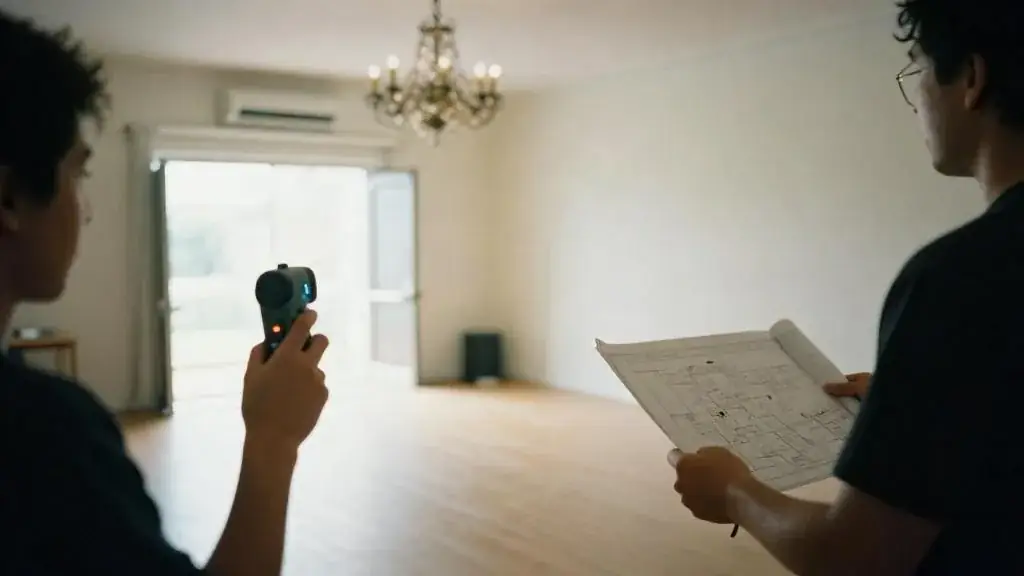
- Space. Performing area in metres, including clearances to the audience. Mark it on the floor plan.
- Floor. Hard, level, non-slip? Some acts cannot work on carpet; others cannot work on a polished floor.
- Height. Clear height above the performing area, measured to the lowest obstruction (chandelier, duct, sprinkler head, beam), not to the ceiling.
- Rigging. Any suspended equipment: what load, what point, who certifies it.
- Power. Number of circuits, location of outlets, any heavy draw.
- Sound and light. Mic type, music playback, cue sheet, stage wash or specials.
- Back-of-house. Changing room near the stage, secure storage, water, parking or load-in, arrival time.
- Restrictions. Flame, haze, pyrotechnics, sharp objects, anything that needs approval.
Aerial rigging: the non-negotiables
Aerial acts (silks, lyra, straps, aerial duos) hang from a point in the ceiling. That point is the single biggest safety decision in entertainment booking, and the planner does not make it alone.
- A certified rigging point rated for the dynamic load. Dynamic load is the force of a person moving, dropping and catching, which is much more than their body weight. Typically at least 1,000 lb (450 kg) working load, engineer-confirmed.
- Ceiling height. Typically at least 4.5 to 5 m for lyra or silks, 6 m or more preferred. Measure to the lowest obstruction.
- Venue approval in writing. Many hotels and banquet halls have rated points in some rooms and none in others.
- An insured rigger. Ask for the rigger’s insurance certificate and qualifications. The aerialist may be their own rigger; confirm in writing.
- Freestanding rigs are an alternative where there is no ceiling point. They need floor space, often more height than you expect, and their own engineering paperwork.
Stilts, Cyr wheel, fire and LED
| Act | What to check |
|---|---|
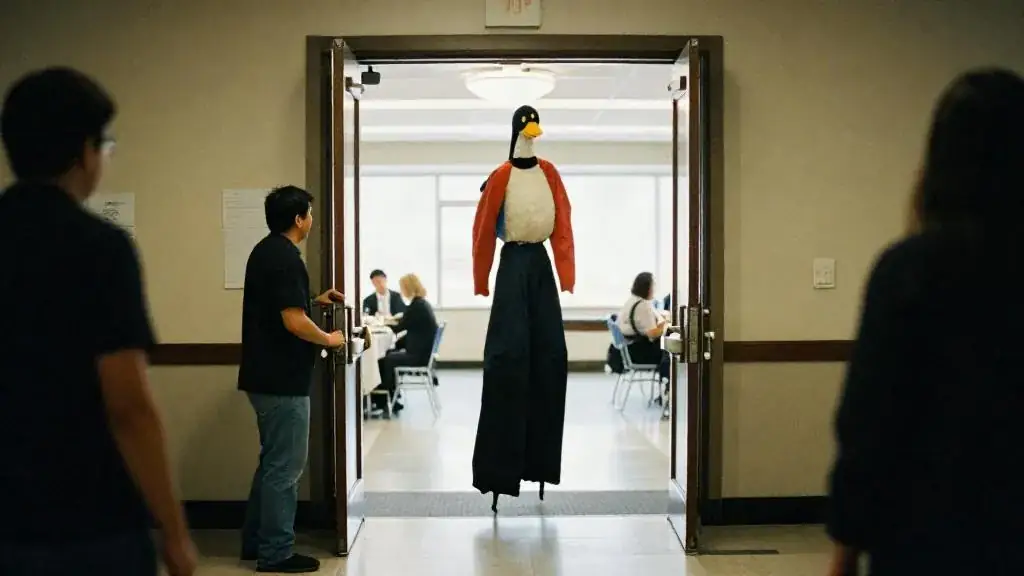
| Stilt walkers | Total height on stilts (performer plus stilts plus costume) against doorways, chandeliers, low ceilings in corridors and any tent; a clear route from changing room to floor; no slippery floors or uneven grass without the performer’s say-so. Ask the performer for their exact height on stilts. |
| Cyr wheel | A large clear circle of smooth, level, hard floor; carpet and dance-floor seams can be a problem. Ask the performer for their required diameter and floor type; it varies with the wheel and the act. |
| Fire acts | Open flame needs venue approval; many hotels permit only enclosed candles. Fire performers also often need fire department approval and a fire watch with extinguishers. Mostly outdoor in practice. |
| Indoor pyrotechnics | Need a licensed pyrotechnician (Natural Resources Canada certifies under the Explosives Act) and venue and fire department approval. Rarely worth it for a gala. |
| LED acts | No flame rules, which is why they are popular indoors. Check the room can go dark enough to see them, and any battery charging needs. |
Worked example: the Harbour Gala
The foundation’s chair asked for an aerial reveal at the start of dinner. The planner pulled the hotel’s technical sheet: ceiling 4.9 m, with chandeliers hanging roughly 0.8 m below that on the room centreline. Clear height under the lowest obstruction in the centre of the room was nearer 4.1 m, well under the typical minimum. The hotel confirmed in writing that the ballroom has no certified rigging points. A freestanding rig was quoted, but needed more height than the room had once the chandeliers were accounted for.
The planner showed the chair the numbers and offered two alternatives within the same budget: an LED act at the end of the program as the dance floor opened, or the mentalist set before the ask. The chair took the mentalist. Its rider was short: a wireless handheld mic, a small table and a stool, a stage 3 by 2.4 m minimum, a stage wash light, background music playback from a phone, a room to change in, and arrival 60 minutes before the set. The two strolling magicians needed nothing from the venue except a secure place for their cases and permission to walk the whole floor. The planner sent the hotel the combined rider as one page a month ahead.
Common mistakes
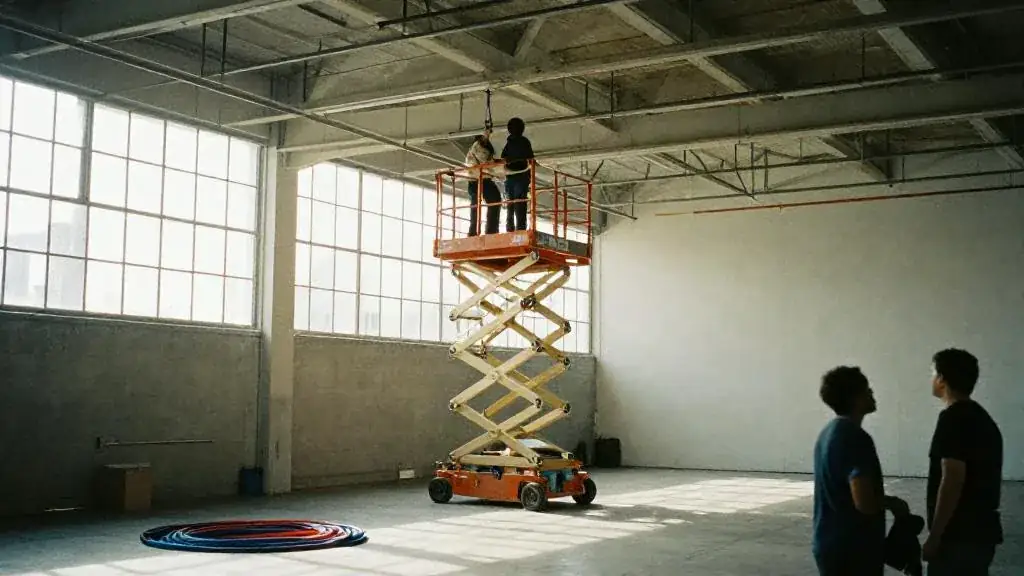
- Measuring ceiling height to the ceiling instead of the lowest obstruction.
- Letting a performer rig from a “solid-looking” beam without a certified rating.
- Assuming hotels will allow fire because the act did it at a festival.
- Booking a stilt walker for a room with 2 m doorways.
- Never sending the venue the performer’s rider.
Worksheet
Apply this lesson to a real or practice event using the worksheet, then mark the lesson complete to track your progress toward the certificate.
Related guides, venues and vendors
Conferences: program, AV and registration
Specialist · Corporate · 15 min
Session design, breakouts, AV house rules, registration platforms, sponsors and entertainment between sessions.
Read more
Capacity, layouts and the fire code
Module 4: Venues · 15 min
Banquet, cocktail, theatre, classroom, U-shape, cabaret. Density rules from the Ontario Fire Code, the posted occupant load, and the venue capacity calculator.
Read more
Vendors, sponsors and revenue
Specialist · Festivals & Public Events · 15 min
Vendor fees, sponsorship tiers, ticketing vs free, and the festival budget shape.
Read more