Large-scale magic performed on a stage for the whole audience, often with props, assistants and lighting cues.
Read the transcript
Stage illusion.
Large-scale magic performed on a stage for the whole audience, often with props, assistants and lighting cues.
How it works in practice.
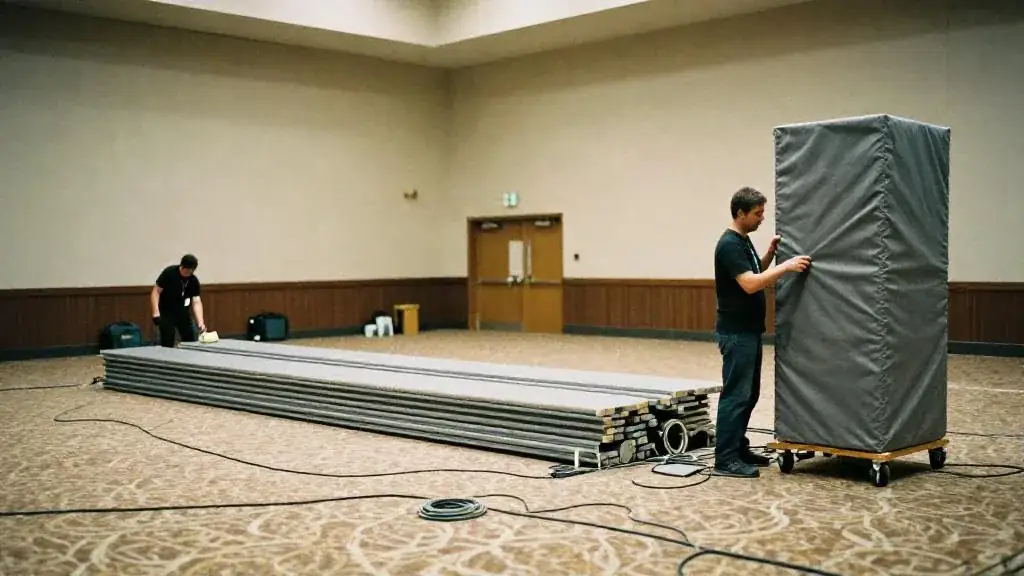
A stage illusion show arrives in cases on a cart or in a truck, needs a load-in window and a rehearsal, and runs on cues: music, light changes, a blackout, a reveal.
The illusionist will send a tech rider with the stage size, access, sound and lighting needs.
Worked numbers.
Large shows with assistants, big props and their own lighting cost more and need a dock and a freight elevator, not a passenger lift.
How to handle it.
Send the rider to the venue the day you receive it and get written confirmation of stage, power and access.
Check sightlines against the floor plan.
More detail, examples and common mistakes are on this page, below the video.
How it works in practice
A stage illusion show arrives in cases on a cart or in a truck, needs a load-in window and a rehearsal, and runs on cues: music, light changes, a blackout, a reveal. The illusionist will send a tech rider with the stage size, access, sound and lighting needs. Many larger illusions are angle-sensitive, so the rider will say where the audience can and cannot sit. Take that seriously; guests at the side of the stage who see the method will tell their table.
The set works as a headliner: after mains are cleared, before the awards, the ask or the dancing. It should never run over dinner service, and the MC introduces it.
Worked numbers
| Item | Typical figure |
|---|---|
| Set length | 25–40 minutes |
| Stage | 4 × 3 m minimum, 16–24 inches high |
| Risers to build it | Six 4 × 8 ft risers make 12 × 16 ft, about 3.7 × 4.9 m |
| Load-in and setup | 2–4 hours |
| Fee (typical GTA range, 2026, stage illusionist 30–45 min) | $1,500–$5,000 |
Large shows with assistants, big props and their own lighting cost more and need a dock and a freight elevator, not a passenger lift.
How to handle it
- Send the rider to the venue the day you receive it and get written confirmation of stage, power and access.
- Check sightlines against the floor plan. Crescent rounds help.
- Ask whether the room can reach a true blackout; daylight and exit signs affect some effects.
- Book rehearsal time with the lighting operator so blackout and reveal cues are programmed over DMX, not improvised.
- Provide a lockable green room close to the stage.
- Plan the reset and the strike so the stage is clear for what follows.
In Ontario and the GTA
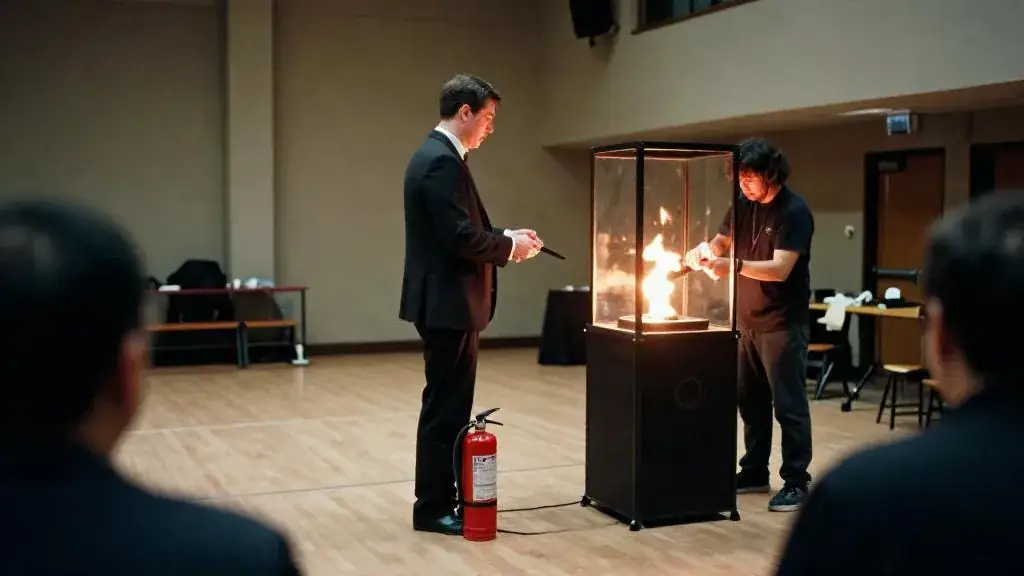
Any open flame needs venue approval, and many hotels allow only enclosed candles. Indoor pyrotechnics need a licensed pyrotechnician certified by Natural Resources Canada under the Explosives Act, plus venue and fire department approval. Ask early whether any effect uses flame, flash or smoke, because the answer changes the paperwork.
Related tools
Use the performer tech rider template to compare the rider with what the venue offers, and the run-of-show template to place the cues.
Why it matters
A 25–40 minute set is a headline moment; it needs a stage, sightlines, a mic, blackout and a reset.
Example
An after-dinner illusion show at a 300-guest gala with a 4 × 3 m stage.
Common mistakes
- No blackout capability
- Scheduling the act during dessert service
Related guides, venues and vendors
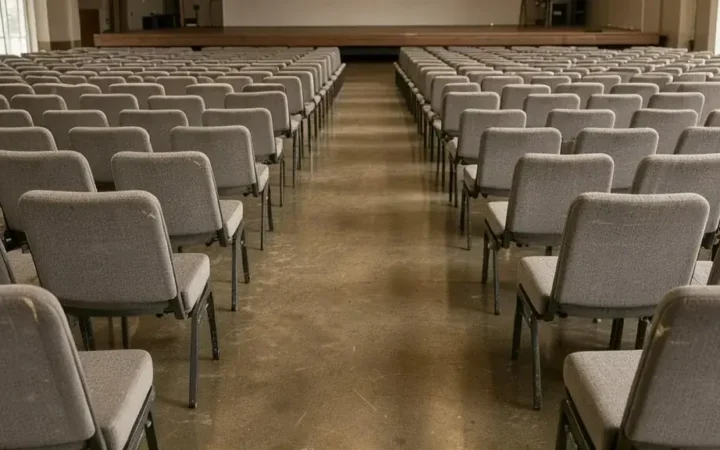
Theatre seating
Venue & Layout
Rows of chairs facing a stage, no tables.
Read more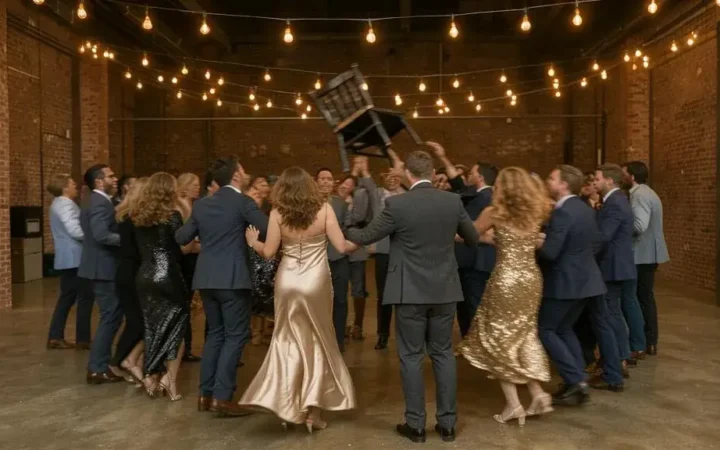
Hora
Weddings & Cultural
The circle dance at Jewish weddings in which the couple is lifted on chairs.
Read more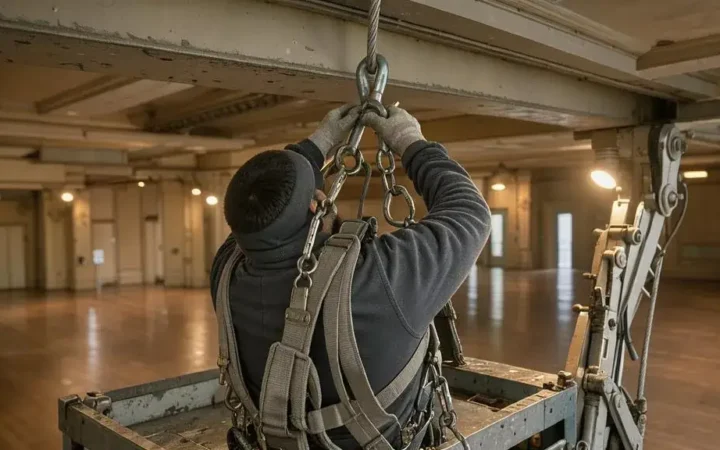
Rigging
Production & AV
Suspending equipment or performers from a structure, using certified points and rated hardware.
Read more