Team building needs a story more than it needs décor. A theme gives the day a name, the teams an identity and the host a script; the décor budget is small and goes on four things.
Read the transcript
Team building themes and décor.
Team building needs a story more than it needs décor.
A theme gives the day a name, the teams an identity and the host a script; the décor budget is small and goes on four things.
Why a theme at all.
A day called "Q3 team event" gets a shrug.
A day called "The Great Bake-Off", "Office Olympics" or "Escape the Quarter" gets a question about what it is, which is the beginning of looking forward to it.
Themes that work for GTA teams.
Office Olympics: stations, a medal table, an opening ceremony with a host, national-style team names. Works indoors in a ballroom or outdoors at a conservation area; the stations mix physical and seated so every body contributes.
Cook-off or bake-off: the cooking-class format with a judging panel, aprons in team colours and a trophy. The studio is the décor.
Where the small décor budget goes.
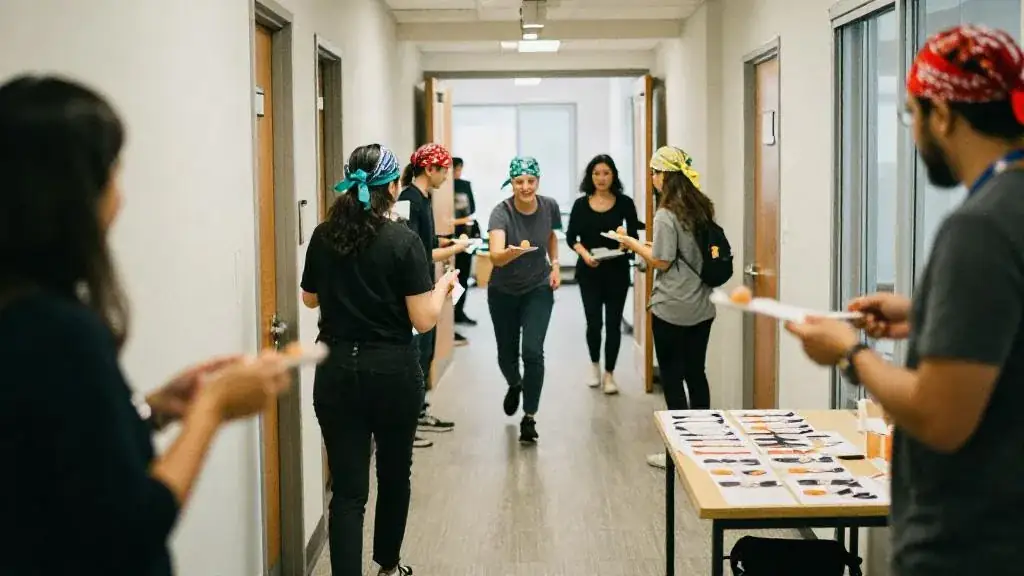
Team identity: a bandana, a lanyard or a cheap T-shirt in the team colour, and a printed team sign at the home table. This is the one item that visibly changes the day.
The welcome: a table with name tags that show the team colour, a board with the teams and the run of show, and coffee. People who arrive and immediately know where to stand relax.
Making the room work.
Most team-building venues are plain rooms.
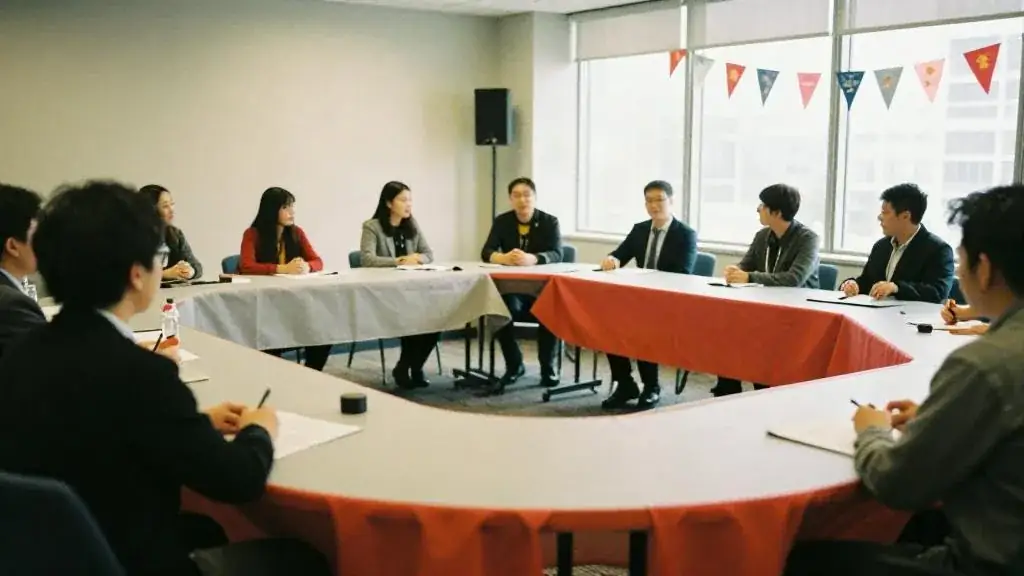
Three things make them read as an event rather than a meeting: move the tables to the edges and give the host the centre; add warm light (a dozen uplighters, roughly 600 to 1,200 dollars to rent for twenty, or the venue's own dimmers); and have music playing when people arrive.
Offsite styling.
For a full-day offsite in a hotel or resort, the morning session room needs no theme; the afternoon activity carries the theme, and the dinner carries one visual idea: a long table rather than rounds, candles if the venue permits open flame (many hotels allow only enclosed candles), and the team photos from the afternoon on a screen as people sit down.
One short piece of entertainment at the table, a close-up magician or a mentalist for twenty minutes before dessert, does more than a themed centrepiece.
Reuse.
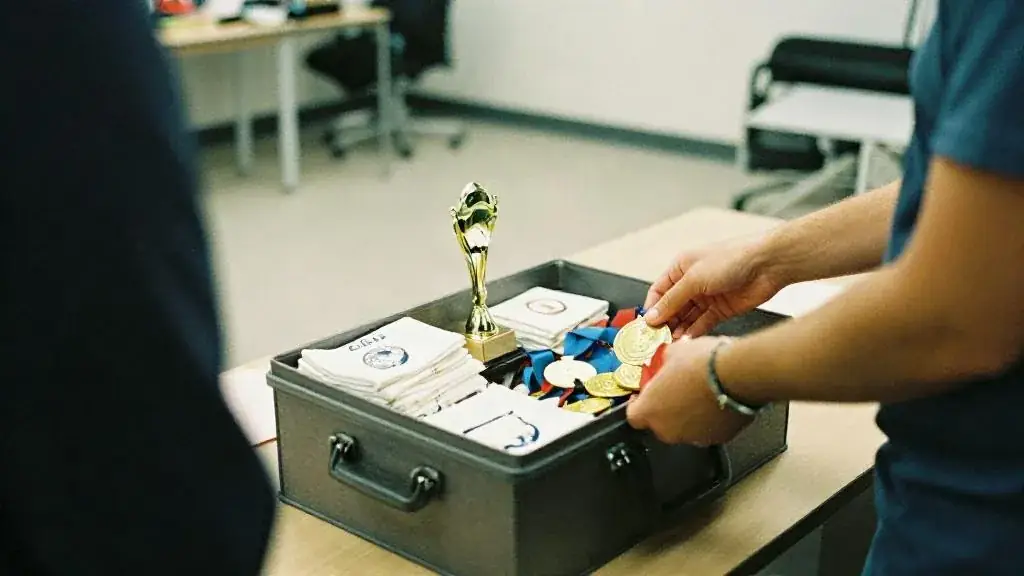
Buy the team bandanas, the medal set, the trophy and the station signs once; the theme name changes every quarter, the kit does not.
Keep the kit in a labelled box with the run of show from the last one so the next organizer starts from something.
The full guide, with tables and checklists, continues below this video.
Why a theme at all
A day called “Q3 team event” gets a shrug. A day called “The Great Bake-Off”, “Office Olympics” or “Escape the Quarter” gets a question about what it is, which is the beginning of looking forward to it. The theme also solves the hardest design problem: how to put people into mixed teams without it feeling like being picked last in gym class. Give every team a name, a colour and a captain assigned in advance, and the sorting is part of the fun rather than a sorting.
Themes that work for GTA teams
- Office Olympics: stations, a medal table, an opening ceremony with a host, national-style team names. Works indoors in a ballroom or outdoors at a conservation area; the stations mix physical and seated so every body contributes.
- Cook-off or bake-off: the cooking-class format with a judging panel, aprons in team colours and a trophy. The studio is the décor.
- Circus day: a skills circuit with a ringmaster host, plate spinning, juggling, a magic table and a low-acro station; a striped backdrop and a popcorn machine are all the décor it needs. Suits an all-ages, all-bodies group because every skill has a seated version.
- Mystery or heist: a scavenger hunt or escape format with a storyline the host narrates; clue cards, a map, a final reveal at the dinner. Analytical teams love it.
- Festival afternoon: for 100+, a field day styled as a small festival: a stage, food trucks, lawn games, a tent, wristbands in team colours. The tent is a permit question once it passes 60 m².
- Build day: the charity-build format with a workshop look: pegboards, tool aprons, a count-up board of what has been built. The recipient organization supplies the story.
- Winter warm-up: a January or February indoor day themed as a cabin weekend: a cooking class, a whisky-or-tea tasting with a non-alcoholic flight, board games, a magic workshop. The cheapest month to book and the one with the most grateful attendance.
Skip anything that requires costumes, pretends to be another country or culture, or needs people to act. Dress codes are “wear something you can move in” and nothing else. The theme generator throws out names if you are stuck.
Where the small décor budget goes
- Team identity: a bandana, a lanyard or a cheap T-shirt in the team colour, and a printed team sign at the home table. This is the one item that visibly changes the day.
- The welcome: a table with name tags that show the team colour, a board with the teams and the run of show, and coffee. People who arrive and immediately know where to stand relax.
- The finish line: a medal table or scoreboard, a trophy that is funny rather than valuable, and a place for the host to stand that everyone can see. A small riser and a microphone matter more than a backdrop.
- The photo: one spot with good light and the theme name on a sign, for the team photo that goes on the internal channel. Post the photo notice at the door and honour opt-outs.
Making the room work
Most team-building venues are plain rooms. Three things make them read as an event rather than a meeting: move the tables to the edges and give the host the centre; add warm light (a dozen uplighters, roughly $600–$1,200 to rent for twenty, or the venue’s own dimmers); and have music playing when people arrive. For stations, number them visibly from across the room and give the host a bell or a sound cue for rotation. Keep a quiet space with chairs and water somewhere out of the music for anyone who needs it; that is an AODA item as well as a kindness.
Offsite styling
For a full-day offsite in a hotel or resort, the morning session room needs no theme; the afternoon activity carries the theme, and the dinner carries one visual idea: a long table rather than rounds, candles if the venue permits open flame (many hotels allow only enclosed candles), and the team photos from the afternoon on a screen as people sit down. One short piece of entertainment at the table, a close-up magician or a mentalist for twenty minutes before dessert, does more than a themed centrepiece.
Reuse
Buy the team bandanas, the medal set, the trophy and the station signs once; the theme name changes every quarter, the kit does not. Keep the kit in a labelled box with the run of show from the last one so the next organizer starts from something.
Related guides, venues and vendors
Related articles & tools
Team Building
Articles, tools and Academy lessons for team building in Toronto and the GTA, in the order planners use them.
Read more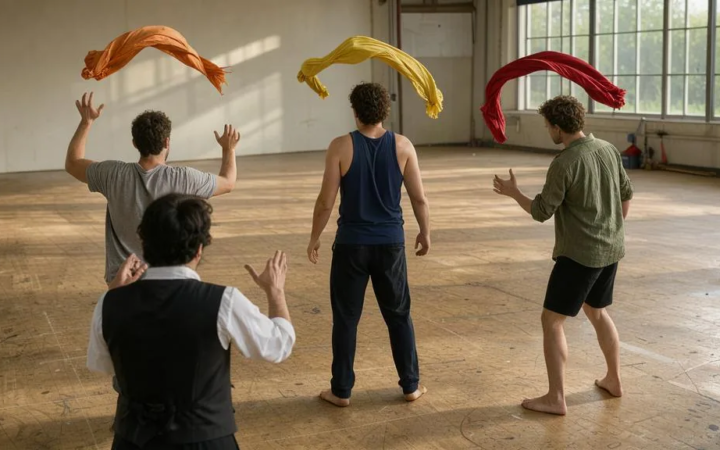
Team building entertainment ideas
Team Building
Workshop and activity formats that work for GTA teams: cooking, improv, magic, circus skills, self-defence, hosted competitions, scavenger hunts, field days and…
Read more
Team building budget guide: GTA price ranges
Team Building
What team building costs in Toronto per head and per line: workshops, hosted events, venues, food, drink, transport, facilitators, with the CRA…
Read more