The venue decides the format more than the budget does. A brewery event room gives you a tasting and a meal but no space to run around; a park gives you space and nothing else. Choose the format first, then the venue type, then the venue.
Read the transcript
Team building venue guide.
The venue decides the format more than the budget does.
A brewery event room gives you a tasting and a meal but no space to run around; a park gives you space and nothing else.
Activity venues.
Toronto and the inner suburbs have more of these than any other Canadian city: axe throwing, climbing gyms, go-kart tracks, racing and golf simulators, bowling, board-game cafés, escape rooms, curling clubs, archery tag, ping-pong bars and bubble hockey halls.
Most sell a per-person session with a food and drink add-on, are licensed, have a host on staff and handle groups of 20 to 80 without a planner.
Breweries, distilleries and cideries.
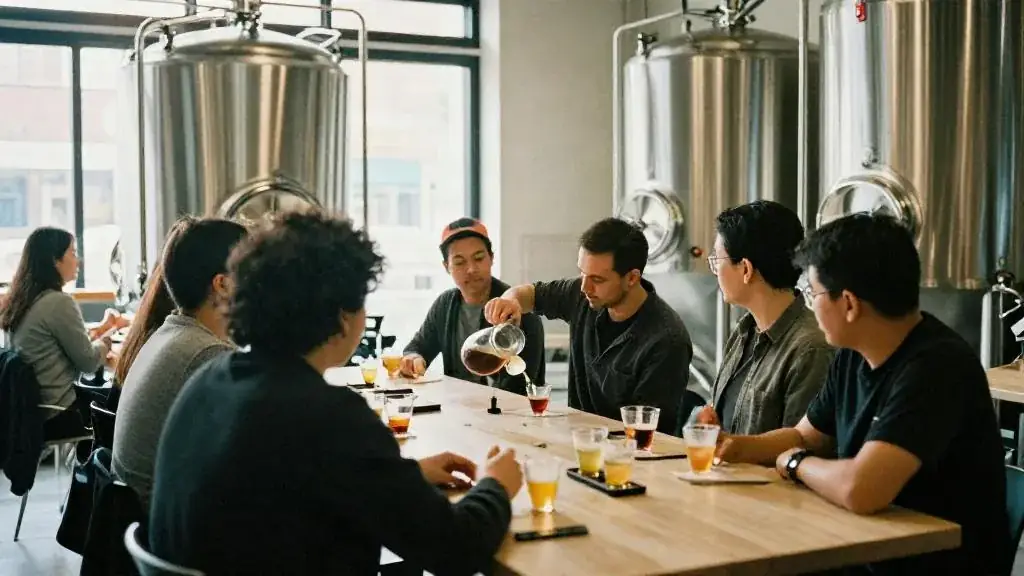
Dozens across the GTA have event rooms, from the Junction and Etobicoke to Leslieville, Hamilton and the Niagara benchlands.
The package is usually a tour, a tasting and food from an in-house kitchen or a food truck; they are licensed, so there is no permit to worry about and their Smart Serve staff pour.
Private dining rooms and restaurants.
For teams under 25, a private room with a long table is the whole event: a chef's demonstration or a family-style meal does the mixing.
Rooms are often free against a food and beverage minimum; King West, the Financial District, Yorkville, Leslieville, the Danforth and the suburban town centres all have them.
Studios, lofts and cooking schools.
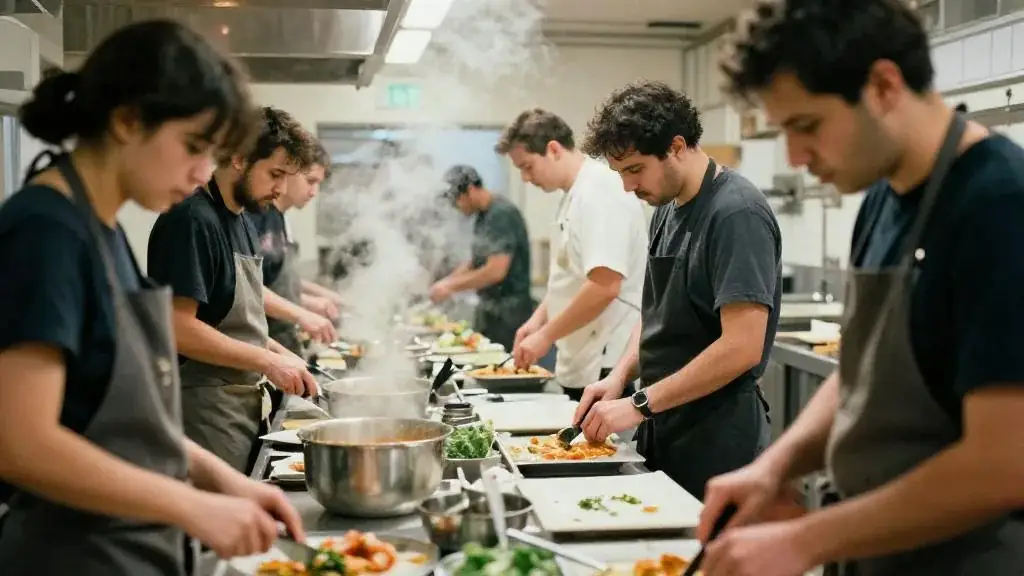
Cooking schools and culinary studios run team cook-offs with stations for 12 to 60; pottery, print and craft studios host two-hour workshops for 10 to 30; dance and circus studios have the sprung floors and ceiling height that circus-skills and movement workshops need.
For your own facilitator or performer, a loft or studio rental gives a blank room with a kitchen and a sound system.
Parks, ravines and conservation areas.
Toronto's ravine system, the waterfront parks, the Islands and the big regional parks are the free venue, with one rule: organizing a group activity (stations, equipment, catering, amplified sound, a tent) needs a Toronto Parks special event permit, and summer weekend dates go months ahead.
Tents over 60 square metres need a building permit in Ontario, must be at least 3 m from other structures and use flame-resistant certified fabric, so a field day for 150 is a production with permits, portable washrooms and a rain plan.
Hotels, conference centres and the office.
For an offsite that is mostly meeting with an activity attached, a hotel or conference-centre meeting room in the city, Markham, Vaughan or near the airport gives you AV, catering and a bar under one contract with one service charge; plan the room at 1.85 square metres per person for classroom-style, which is the Ontario Building Code figure, and check the venue capacity calculator before you promise a headcount.
The office itself works for workshops under 30 if you clear the furniture and bring in the food; it costs nothing and nobody has to travel, which is why attendance is highest and mood is lowest.
The full guide, with tables and checklists, continues below this video.
Activity venues
Toronto and the inner suburbs have more of these than any other Canadian city: axe throwing, climbing gyms, go-kart tracks, racing and golf simulators, bowling, board-game cafés, escape rooms, curling clubs, archery tag, ping-pong bars and bubble hockey halls. Most sell a per-person session with a food and drink add-on, are licensed, have a host on staff and handle groups of 20 to 80 without a planner. Clusters are in the Junction and Stockyards, Leslieville and the Port Lands, Liberty Village, and along the industrial strips in Etobicoke, Mississauga, Vaughan and Markham where the big-footprint venues sit. Ask about the step-free route and whether every element has a seated alternative; climbing walls and karts need a plan for the people who sit out.
Breweries, distilleries and cideries
Dozens across the GTA have event rooms, from the Junction and Etobicoke to Leslieville, Hamilton and the Niagara benchlands. The package is usually a tour, a tasting and food from an in-house kitchen or a food truck; they are licensed, so there is no permit to worry about and their Smart Serve staff pour. The format is social rather than active; pair it with a workshop in the room (a blind tasting, a cooking demo, a magic workshop) rather than relying on the tour alone. Offer a non-alcoholic flight so the people who do not drink are tasting something too.
Private dining rooms and restaurants
For teams under 25, a private room with a long table is the whole event: a chef’s demonstration or a family-style meal does the mixing. Rooms are often free against a food and beverage minimum; King West, the Financial District, Yorkville, Leslieville, the Danforth and the suburban town centres all have them. For 25 to 60, a restaurant buy-out on a weekday afternoon is often cheaper than a rented room plus catering.
Studios, lofts and cooking schools
Cooking schools and culinary studios run team cook-offs with stations for 12 to 60; pottery, print and craft studios host two-hour workshops for 10 to 30; dance and circus studios have the sprung floors and ceiling height that circus-skills and movement workshops need. For your own facilitator or performer, a loft or studio rental gives a blank room with a kitchen and a sound system. These are usually unlicensed: if you want a bar, it is a Special Occasion Permit applied for at least ten days ahead, Smart Serve servers and liquor bought under the permit, or a dry event with excellent coffee.
Parks, ravines and conservation areas
Toronto’s ravine system, the waterfront parks, the Islands and the big regional parks are the free venue, with one rule: organizing a group activity (stations, equipment, catering, amplified sound, a tent) needs a Toronto Parks special event permit, and summer weekend dates go months ahead. Tents over 60 m² need a building permit in Ontario, must be at least 3 m from other structures and use flame-resistant certified fabric, so a field day for 150 is a production with permits, portable washrooms and a rain plan. Conservation areas in Halton, Peel, York and Durham rent group picnic areas and pavilions with simpler booking, often with parking and washrooms included; they suit scavenger hunts, field days and anything with a hike. Weekday permits are easier than weekend ones everywhere.
Hotels, conference centres and the office
For an offsite that is mostly meeting with an activity attached, a hotel or conference-centre meeting room in the city, Markham, Vaughan or near the airport gives you AV, catering and a bar under one contract with one service charge; plan the room at 1.85 m² per person for classroom-style, which is the OBC figure, and check the venue capacity calculator before you promise a headcount. The office itself works for workshops under 30 if you clear the furniture and bring in the food; it costs nothing and nobody has to travel, which is why attendance is highest and mood is lowest.

Offsite retreats within two hours
Blue Mountain and Collingwood for ski and summer activities; Muskoka resorts for the lake; Niagara-on-the-Lake and the Twenty Valley for wineries; Prince Edward County for a slower version; Kitchener-Waterloo, where Bingemans runs team events year-round at scale; and the resorts around Lake Simcoe and the Kawarthas. Transport is the hidden line: a coach for 50 from downtown runs roughly $900–$1,600 round trip and gets everyone there together and sober on the way home. Overnight accommodation and transport home are excluded from the CRA $150 calculation, which matters for how you structure a retreat budget.
Questions to ask any venue
- Is the venue licensed, or do we need a Special Occasion Permit?
- What is the step-free route from accessible parking or transit, and where are the accessible washrooms?
- What is the capacity for our room set, and is there a quiet space?
- Is there a host on staff, and what does the per-person price include?
- What is the minimum spend, and does it include the service charge and HST?
- What is the weather plan, and who pays if we cancel for it?
Browse Toronto, Mississauga, Vaughan, Niagara and Muskoka venues, and high-ceiling rooms for circus-skills workshops. The venue matchmaker narrows the list by headcount and format.
Related guides, venues and vendors

Related articles & tools
Team Building
Articles, tools and Academy lessons for team building in Toronto and the GTA, in the order planners use them.
Read more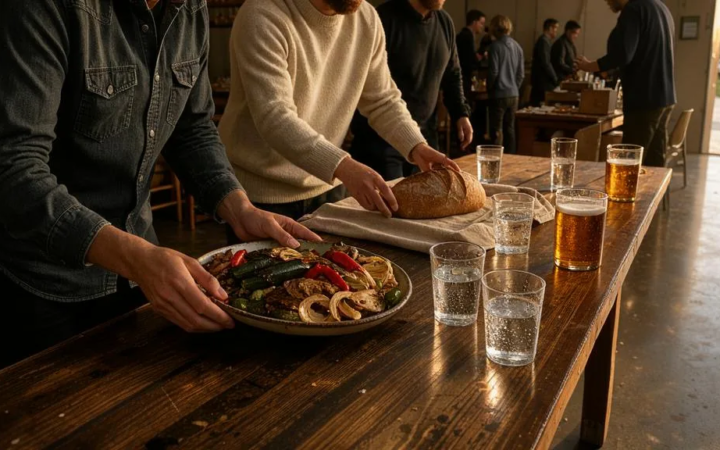
Team building food & drink
Team Building
The shared meal that makes team building work, dietary planning, and an alcohol policy that follows Ontario rules without spoiling the afternoon.
Read more
Team Building
Event hub
Team building that doesn't feel forced: formats by team size, GTA venues and activities, and how to measure whether it worked.
Read more