The etiquette of team building is mostly about consent: to participate, to be touched, to be photographed, to drink, and to be measured. Get those right and the rest is hospitality.
Read the transcript
Team building etiquette and FAQs.
The etiquette of team building is mostly about consent: to participate, to be touched, to be photographed, to drink, and to be measured.
Get those right and the rest is hospitality.
Participation is optional, and that has to be true.
Attendance at a work event during work hours is a reasonable expectation; participation in a particular activity is not.
Say on the invitation what the activity involves, offer a private way to sit out any element, and build the day so that sitting out is invisible: a scorer, a judge, a photographer, a station that is seated.
Inclusivity and AODA.
The Accessibility for Ontarians with Disabilities Act sets customer service and information standards that apply to organizations, and its practical checklist is the one to run against any venue and format: a step-free route from accessible parking or transit to the room; accessible washrooms; reserved seating with companion seats; captions or ASL on request; service animals allowed; accessible registration; a quiet space; and dietary and sensory needs collected on the RSVP.
Beyond the Act: avoid formats that depend on strength, speed, hearing or sight alone; provide a seated version of every station; keep volume at a level that allows conversation; and make the non-alcoholic option as good as the bar.
Physical contact and consent.
Improv, partner acrobatics and self-defence all involve touch.
Choose providers who ask before any contact, who demonstrate on a willing instructor rather than a participant, who make every partner exercise optional with a solo alternative, and who keep managers out of physical pairings with their direct reports.
Managers.
Managers participate on mixed teams, do not captain, do not judge, do not give a speech longer than two minutes, and leave the bar after one visible drink.
The best team-building days are the ones where the most senior person was terrible at juggling in public.
Remote and hybrid colleagues.
If half the team is remote, either bring them in (transport and accommodation are excluded from the CRA 150 dollars calculation, which helps) or choose a format with a real remote track: a cooking class where kits are shipped, a magic workshop on video with cards posted ahead, a trivia show with remote teams.
A camera pointed at a room full of people having a nice time is worse than nothing.
Measuring whether it worked.
Two questions, a week later, anonymously: "Did you talk to someone you don't usually?" and "Would you do it again?" Above 70 percent yes on both, repeat the format.
Below, change the format before the venue.
The full guide, with tables and checklists, continues below this video.
Participation is optional, and that has to be true
Attendance at a work event during work hours is a reasonable expectation; participation in a particular activity is not. Say on the invitation what the activity involves, offer a private way to sit out any element, and build the day so that sitting out is invisible: a scorer, a judge, a photographer, a station that is seated. Never call on individuals, never ask “who hasn’t gone yet”, and never make the meal conditional on the activity.
Inclusivity and AODA
The Accessibility for Ontarians with Disabilities Act sets customer service and information standards that apply to organizations, and its practical checklist is the one to run against any venue and format: a step-free route from accessible parking or transit to the room; accessible washrooms; reserved seating with companion seats; captions or ASL on request; service animals allowed; accessible registration; a quiet space; and dietary and sensory needs collected on the RSVP. Beyond the Act: avoid formats that depend on strength, speed, hearing or sight alone; provide a seated version of every station; keep volume at a level that allows conversation; and make the non-alcoholic option as good as the bar. Ask about religious observances and prayer times when picking the date and the schedule, and keep the dress code to “something you can move in”.
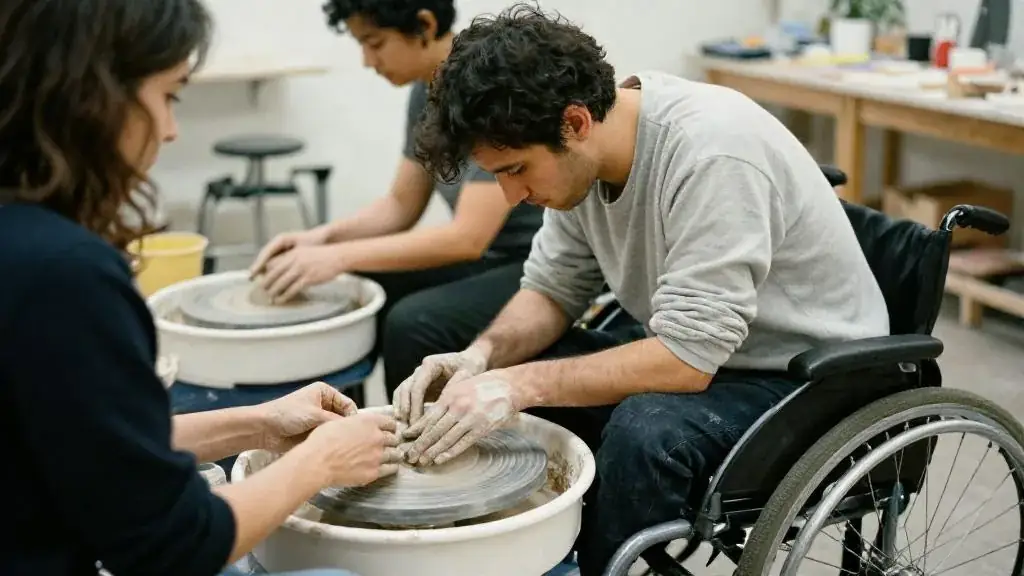
Physical contact and consent
Improv, partner acrobatics and self-defence all involve touch. Choose providers who ask before any contact, who demonstrate on a willing instructor rather than a participant, who make every partner exercise optional with a solo alternative, and who keep managers out of physical pairings with their direct reports. For self-defence, a qualified instructor, mats and a clear statement that every drill is optional are non-negotiable.
Photos and privacy
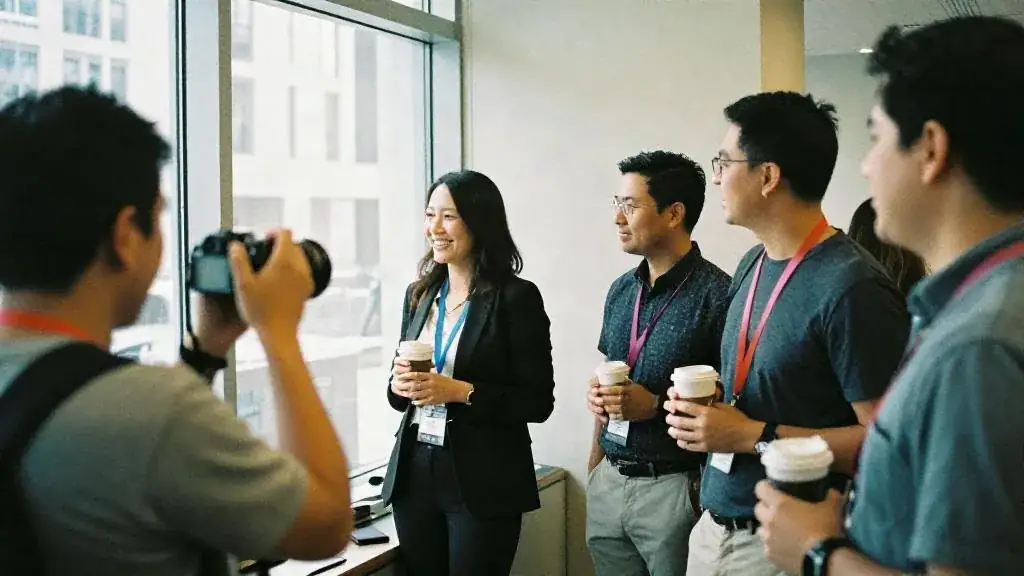
PIPEDA governs personal information collected by private-sector organizations in Canada, and photographs are personal information. Give notice on the invitation and with a sign at the door, say where the photos will be used (internal channel, website, social media), and honour opt-outs with a coloured lanyard or a word to the photographer. Do not post photos of people drinking. Delete the survey responses when you have the numbers.
Managers
Managers participate on mixed teams, do not captain, do not judge, do not give a speech longer than two minutes, and leave the bar after one visible drink. The best team-building days are the ones where the most senior person was terrible at juggling in public.
Remote and hybrid colleagues
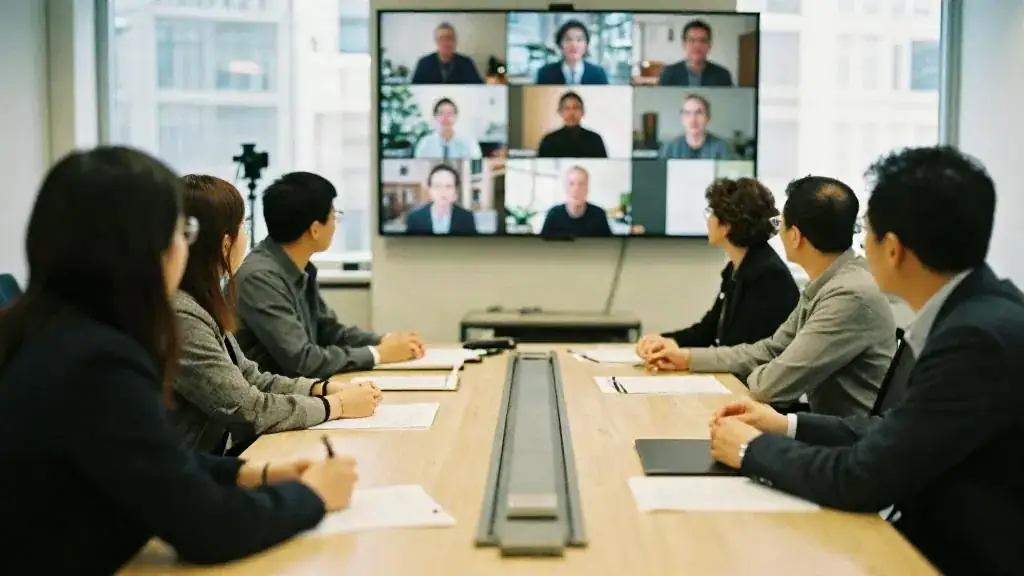
If half the team is remote, either bring them in (transport and accommodation are excluded from the CRA $150 calculation, which helps) or choose a format with a real remote track: a cooking class where kits are shipped, a magic workshop on video with cards posted ahead, a trivia show with remote teams. A camera pointed at a room full of people having a nice time is worse than nothing.
Measuring whether it worked
Two questions, a week later, anonymously: “Did you talk to someone you don’t usually?” and “Would you do it again?” Above 70% yes on both, repeat the format. Below, change the format before the venue. Add one open question if you want ideas for next time. Record cost per head and attendance in the ROI calculator, and use the post-event survey template for the longer version if HR wants more.
Frequently asked questions
Can we make team building mandatory?
Attendance during work hours is a reasonable expectation; participation in a specific activity should always be optional, with a private way to sit out that nobody notices.
Is team building a taxable benefit in Canada?
An employer-provided social event is non-taxable when it is open to all employees and costs $150 or less per person including taxes, up to six events a year; above $150 the whole amount is taxable. Training-style days fall under different rules; ask your accountant.
How long should a team-building event be?
Two to three hours of activity plus a meal for a workshop; a half day for a hosted event; a full day only for an offsite with a morning session. Longer is not better.
Do we need a permit to serve drinks at a team event?
Not in a licensed venue. In an unlicensed space (office, studio, park pavilion) you need an AGCO Special Occasion Permit, applied for at least 10 days ahead for a private event, with Smart Serve-certified servers and liquor bought under the permit.
Can we hold team building in a Toronto park?
Yes, with a Toronto Parks special event permit for any organized group activity; apply months ahead for summer weekends. Conservation areas in the surrounding regions rent group areas with simpler booking.
How do we include people who cannot do physical activities?
Choose formats with seated versions of every station, make opting out private, and run the AODA checklist on the venue: step-free route, accessible washrooms, quiet space, companion seating.
Should we tip the host or instructors?
Where gratuity is not already on the invoice, yes: in our experience $50–$100 per instructor is normal, and a written review and a rebooking matter more to them.
What size groups do workshops take?
Most GTA workshop providers have a minimum of roughly 10–15 people and run comfortably to 30 per instructor; larger groups split into stations with a host to rotate them.
How do we measure whether team building worked?
Two anonymous questions a week later: did you talk to someone you don’t usually, and would you do it again. Above 70% yes on both is a format worth repeating.
Related guides, venues and vendors

Team building budget guide: GTA price ranges
Team Building
What team building costs in Toronto per head and per line: workshops, hosted events, venues, food, drink, transport, facilitators, with the CRA…
Read more
Team building planning timeline
Team Building
From the first conversation to the follow-up survey: a working timeline for a GTA team-building day, with longer lead times for large…
Read more
Team building food & drink
Team Building
The shared meal that makes team building work, dietary planning, and an alcohol policy that follows Ontario rules without spoiling the afternoon.
Read more