At a gala, the dinner is the frame for the program, not the main event. Course timing decides when you can speak, when the act can perform and whether the ask lands before 9 p.m. Plan the menu around the run of show, not the other way round.
Read the transcript
Gala food and drink.
At a gala, the dinner is the frame for the program, not the main event.
Course timing decides when you can speak, when the act can perform and whether the ask lands before 9 p.m.
Service style.
Plated, three courses: the standard for galas. Roughly 60 to 75 minutes of service for 200 guests in a hotel ballroom, plus speech breaks.
Plated duo or pre-set first course: putting the first course on the table before guests sit saves 15 to 20 minutes. Useful if the program is long.
Timing, worked on the Harbour Gala.
The banquet captain must have this table.
Tell the kitchen that service pauses during the speeches and the ask; servers moving in the aisles during a paddle raise cost money.
Bar.
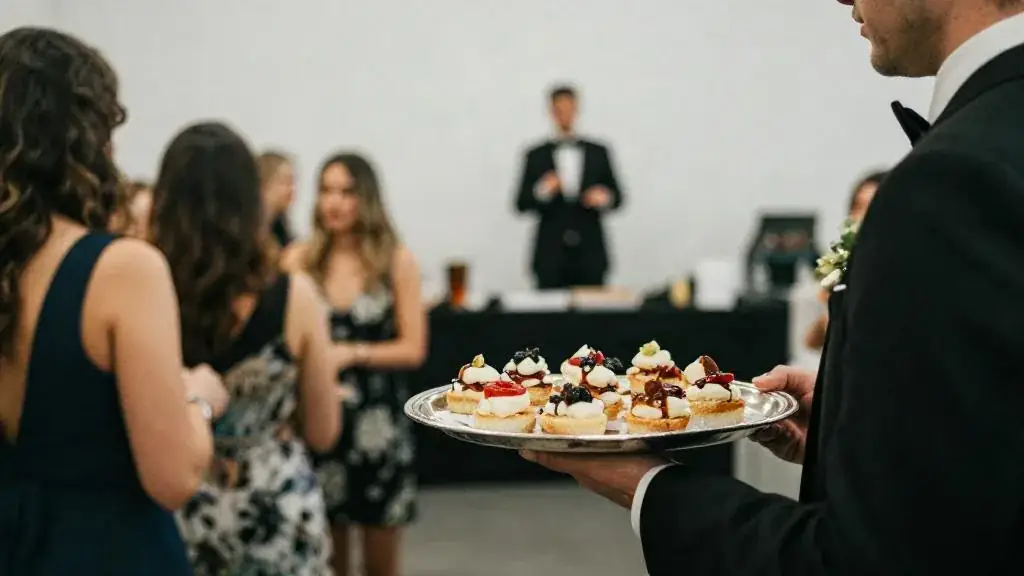
A hosted bar during cocktails and wine with dinner is the norm for Toronto galas. A cash bar at a ticketed fundraiser reads as poor hospitality.
Ask a sponsor to underwrite the wine; it is a visible moment and moves a large line off the cost side.
The service charge and HST.
Hotels and banquet halls commonly add an 18 percent service charge on food and beverage, and the service charge is itself taxable; HST is 13 percent.
The Harbour Gala's 18,000 dollars food and beverage minimum therefore cost roughly 24,000 dollars all-in.
Dietary planning.
Table captains are the weak link.
Collect guest names and dietary needs from every captain by the date the hotel needs final numbers, code them (V, VG, GF, H, K, NUT, DF) on the seating plan, and give the banquet captain a table-by-table list.
Award nights and late programs.
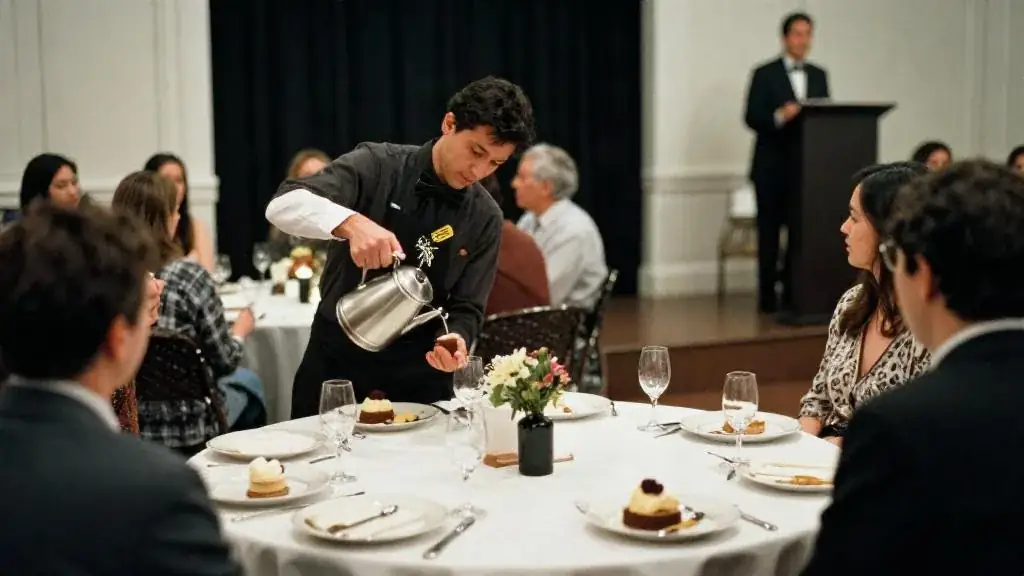
If the program after dinner is long, as on an award night with many categories, serve coffee and a late dessert or a small savoury bite at the start of the awards block so guests are not leaving to find food.
Keep the bar open at a lower pace and offer good non-alcoholic options; a growing share of Toronto gala guests choose them, and a zero-proof cocktail on the menu is a small cost.
The full guide, with tables and checklists, continues below this video.
Service style
- Plated, three courses: the standard for galas. Roughly 60–75 minutes of service for 200 guests in a hotel ballroom, plus speech breaks. Every guest is seated, which is what you want for the ask.
- Plated duo or pre-set first course: putting the first course on the table before guests sit saves 15–20 minutes. Useful if the program is long.
- Food stations: livelier, but the room never fully sits, and a paddle raise in a standing room is much harder. Better for an award night with a short program or a cocktail-format gala.
- Cocktail reception only: works for a younger audience and a short ask; plan 12–15 pieces per guest if it replaces dinner.
Timing, worked on the Harbour Gala
| Time | Food and drink | Program |
|---|---|---|
| 6:00 | Bar opens, passed canapés | Two strolling magicians, silent auction open |
| 7:00 | Doors to ballroom; wine poured at table | Magicians continue through the 25-minute gap |
| 7:25 | First course served | Chair’s welcome after clearing |
| 7:55 | Main course | Beneficiary story and video between courses |
| 8:35 | Dessert pre-set or served; coffee | Mentalist set |
| 8:55 | Service paused; servers out of the aisles | Paddle raise, before 9 p.m. |
The banquet captain must have this table. Tell the kitchen that service pauses during the speeches and the ask; servers moving in the aisles during a paddle raise cost money.
Bar
- A hosted bar during cocktails and wine with dinner is the norm for Toronto galas. A cash bar at a ticketed fundraiser reads as poor hospitality.
- Ask a sponsor to underwrite the wine; it is a visible moment and moves a large line off the cost side.
- Close the bar or switch to coffee and soft drinks an hour before the end. Use the bar and alcohol calculator to size the order.
The service charge and HST
Hotels and banquet halls commonly add an 18% service charge on food and beverage, and the service charge is itself taxable; HST is 13%. The Harbour Gala’s $18,000 F&B minimum therefore cost roughly $24,000 all-in. Ask whether the service charge reaches the staff. If it does not, a separate thank-you for the banquet team is a kind gesture, not an obligation.

Dietary planning
Table captains are the weak link. Collect guest names and dietary needs from every captain by the date the hotel needs final numbers, code them (V, VG, GF, H, K, NUT, DF) on the seating plan, and give the banquet captain a table-by-table list. Offer one vegetarian main as standard rather than as a special order. Check the food quantity calculator for cocktail-hour quantities.
Award nights and late programs
If the program after dinner is long, as on an award night with many categories, serve coffee and a late dessert or a small savoury bite at the start of the awards block so guests are not leaving to find food. Keep the bar open at a lower pace and offer good non-alcoholic options; a growing share of Toronto gala guests choose them, and a zero-proof cocktail on the menu is a small cost.
Alcohol rules for fundraisers
- At a licensed venue such as a hotel or banquet hall, the venue serves under its own licence and you need no permit.
- At an unlicensed venue, such as a gallery or a community space, you need an AGCO Special Occasion Permit. A ticketed fundraiser open to the public is a public event: apply at least 30 days ahead, with municipal notification. A private event permit needs at least 10 days. Fees are $50 per day for a no-sale permit and $150 per day for a sale permit.
- Under a permit, Smart Serve training is recommended for everyone serving (not required under a permit), liquor must be bought from the LCBO, the Beer Store or a winery under the permit, receipts stay on site, and the permit is posted. Service hours are 9 a.m. to 2 a.m. (3 a.m. on New Year’s Eve), last call 1:45.
- Donated wine is a common sponsor offer. At a licensed venue, ask about corkage; under an SOP, confirm with the AGCO how donated product can be used before you accept it.
Related guides, venues and vendors
RBC Convention Centre Winnipeg
Winnipeg · 300+ guests
Winnipeg's downtown convention centre.
Read more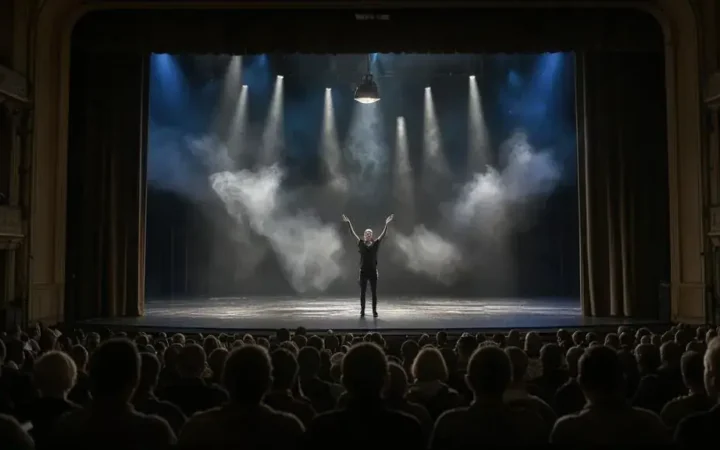
Hiring an illusionist in Toronto: what a stage illusion act needs
September 14, 2026 · 4 min read
Smoke, light and impossible visuals from a Toronto illusionist whose act plays like a piece of theatre set to music.
Read more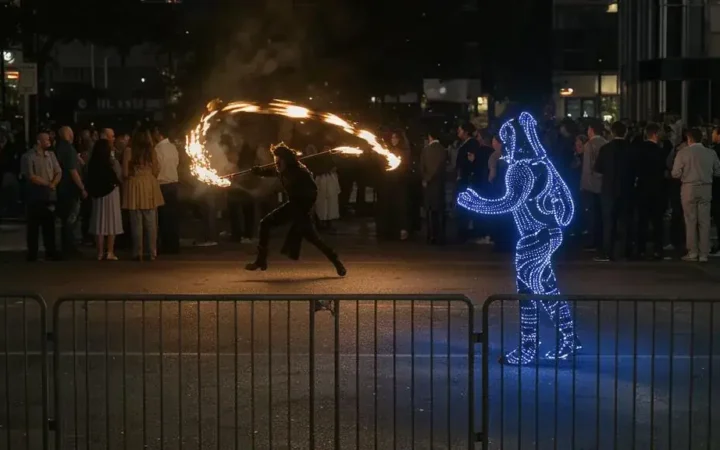
Fire, LED & event-model company (GTA)
Dancers, Entertainment, Fire, LED & Glow Acts, Roaming Acts
Independent Toronto company supplying fire performers, LED glow shows, showgirl revues and event models, produced as a show for launches, estate parties,…
Read more