Commercial general liability, event liability, COIs, additional insured, and host liquor liability.
Read the transcript
Insurance: yours, theirs and the venue's.
Commercial general liability, event liability, COIs, additional insured, and host liquor liability.
Three policies, three jobs.
Insurance confuses new planners because three different policies are in play at once, and each covers a different person.
Your own policy covers you.
Insurance for a planning business.
Commercial general liability (CGL) is the base policy for your company.
It responds to claims of bodily injury or property damage arising from your operations, which is what a venue will ask you to prove before you are allowed to run an event in their building.
Event liability, COIs and additional insured.
Event liability insurance is a short-term policy for a single event, bought by the host when the host does not already carry coverage.
A private client throwing a 50th birthday in a rented hall is the classic buyer.
Host liquor liability.
If alcohol is served at an event, the host can be held responsible for harm done by an intoxicated guest, including after they leave.
That is why a venue with its own liquor licence runs its own bar and carries its own liquor liability, and why a dry hall will insist that whoever brings in alcohol under a Special Occasion Permit carries coverage too.
Worked example: the Harbour Gala.
The foundation is a registered charity with its own CGL policy.
The hotel has a liquor licence, runs the bar, and carries its own liquor liability, so no SOP and no host liquor extension are needed for this event.
That is the lesson. The worksheet and the quiz are just below this video.
What you will be able to do
- Choose insurance for a planning business
- Collect COIs correctly
- Understand host liquor liability
Three policies, three jobs
Insurance confuses new planners because three different policies are in play at once, and each covers a different person. Your own policy covers you. Each vendor’s policy covers them. The venue’s policy covers the building. The client, if they are a charity or company, usually has a fourth. Your job is not to insure the whole event yourself. It is to confirm that every gap is covered by somebody, and to collect the paper that proves it.

This is not insurance advice. Coverage wording changes, and the right limits depend on your business. Spend an hour with a commercial broker who writes event and hospitality policies; they will ask better questions than any checklist.
Insurance for a planning business
Commercial general liability (CGL) is the base policy for your company. It responds to claims of bodily injury or property damage arising from your operations, which is what a venue will ask you to prove before you are allowed to run an event in their building. Venues commonly ask for a certificate showing $2 million or $5 million in coverage; ask each venue what they require rather than guessing. Many add a professional liability (errors and omissions) policy, which responds to claims that your advice or planning caused a financial loss, for example a double-booked date. Ask your broker whether that fits your scale of work.
If you own equipment, add property coverage. If you employ staff, you have WSIB and employment obligations that sit outside insurance entirely; confirm those with an accountant.
Event liability, COIs and additional insured
Event liability insurance is a short-term policy for a single event, bought by the host when the host does not already carry coverage. A private client throwing a 50th birthday in a rented hall is the classic buyer. Typical GTA range, 2026: a one-day liability policy with $2–5M in coverage runs about $150–$400. Venues increasingly make it a condition of the rental.
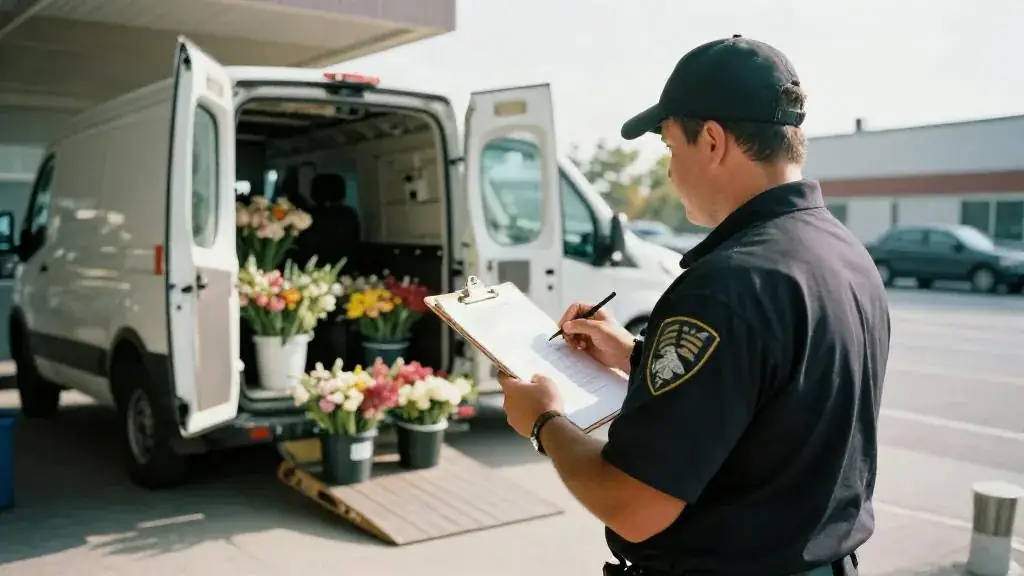
A certificate of insurance (COI) is a one-page document issued by an insurer or broker that states a policy exists, its limits and its dates. It does not change the policy; it proves it. The phrase “additional insured” is what makes it useful to someone else: when a vendor names your client or the venue as an additional insured, that party can claim under the vendor’s policy for incidents arising from the vendor’s work. Venues ask for it because it keeps their own claims record clean.
| Who | What you collect | Named as additional insured | Deadline |
|---|---|---|---|
| Caterer (off-site events) | COI for CGL, food handler certification | Client and venue | 30 days before |
| Rental company, tent installer | COI for CGL; vehicle coverage if they drive on site | Client and venue | 30 days before |
| Entertainers (magicians, DJ, band) | COI for CGL | Client and venue if required | 30 days before |
| Aerial acts and riggers | COI for CGL plus the rigger’s own coverage; rigging point engineer letter | Client and venue, always | 45 days before, because venues review these slowly |
| Bartending service | COI including liquor liability; Smart Serve certificates for every server | Client and venue | 30 days before |
| Security company | COI; provincial licensing of the company and guards | Client and venue | 30 days before |
Put the certificate request in every vendor contract, with the exact wording the venue wants for the additional insured line. Chase them from the /tools/vendor-contact-sheet/ so you can see who is outstanding at a glance.
Host liquor liability
If alcohol is served at an event, the host can be held responsible for harm done by an intoxicated guest, including after they leave. That is why a venue with its own liquor licence runs its own bar and carries its own liquor liability, and why a dry hall will insist that whoever brings in alcohol under a Special Occasion Permit carries coverage too. Host liquor liability is the extension that responds to those claims. Some CGL policies include it for incidental events; many exclude it. Ask the question in those words: “Does this policy include host liquor liability for events where alcohol is served under an SOP?”
Insurance is the backstop, not the plan. The plan is a compliant bar: Smart Serve certified servers, service that stops when a guest is intoxicated, water and food available, and a safe ride home arranged for anyone who needs one. The next lesson covers the permit; this lesson’s point is that the host’s exposure does not end when the bar closes.
Worked example: the Harbour Gala
The foundation is a registered charity with its own CGL policy. The hotel has a liquor licence, runs the bar, and carries its own liquor liability, so no SOP and no host liquor extension are needed for this event. The hotel asks for two things: a certificate from the foundation naming the hotel as additional insured, and certificates from any outside vendor who loads equipment into the ballroom.
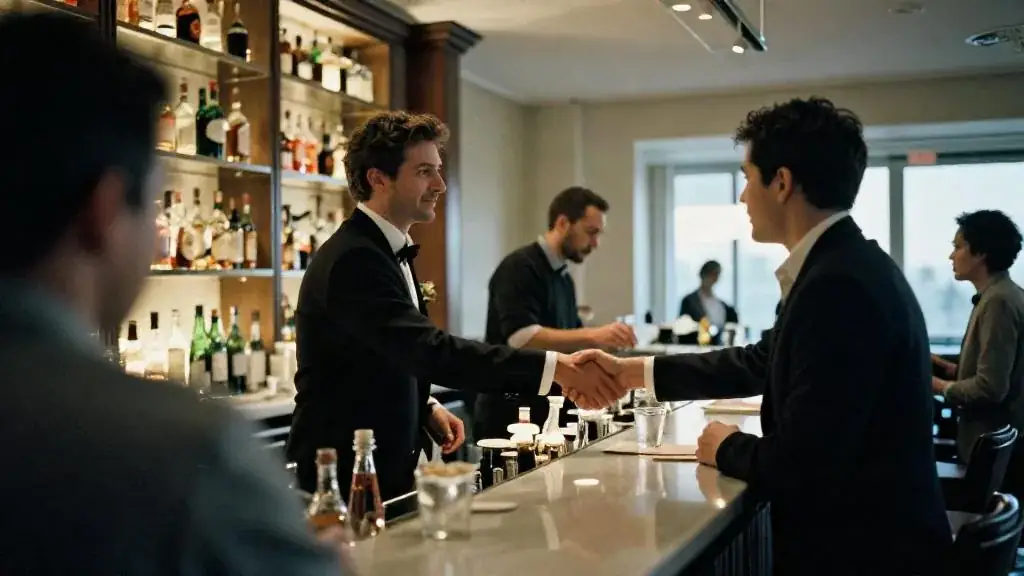
That means the florist, the AV company bringing the paddle-raise screens, the mentalist (who brings a small case and a wireless microphone) and the two strolling magicians (who bring nothing larger than a deck of cards). You ask all four anyway, because the hotel’s banquet manager will ask you on the day. The AV company sends a $5M certificate the same afternoon. The mentalist sends a $2M certificate the next week. One magician has never been asked and does not carry a policy; you tell him that a one-day event policy is a typical $150–$400 and that most GTA venues now expect it, and he buys one. Your own CGL certificate goes to the foundation, who files it with the hotel. Total time: three emails and two reminders, tracked on the vendor sheet.
Common mistakes
- Collecting certificates after the event. The point is to know before load-in who is uninsured.
- Accepting a certificate with the wrong dates. Check that the policy period covers the event date, including an overnight strike.
- Assuming the venue’s insurance covers your vendors. It covers the building and the venue’s own staff, nothing else.
- Assuming your CGL includes liquor. Ask, in writing, before you accept an event with a self-run bar.
- Carrying every risk yourself because it felt faster than chasing paper. One claim ends a small planning business.
Worksheet
Download the worksheet, complete it for your own event (or the running gala example), and keep it in your course binder. It takes about 10 minutes.

Check your understanding
Related guides, venues and vendors
Real-time problems: the fifteen most common
Module 10: Event Day · 15 min
Power trips, rain, no-shows, drunk guests, medical incidents, double-booked rooms, missing cake. The fix for each, in the order you do it.
Read more
Venue contracts and minimums
Module 4: Venues · 15 min
Minimum spend, attrition, cancellation schedules, exclusivity, insurance, overtime and force majeure. Clause by clause, with the red flags.
Read more
Registration, check-in and seating
Module 7: Logistics & Operations · 15 min
RSVP tools, cut-offs, name tags, QR check-in, seating charts with dietary codes, and the 10% who show up unannounced.
Read more