A document sent to venues or vendors describing the event and asking for a priced proposal.
Read the transcript
RFP (Request for Proposal).
A document sent to venues or vendors describing the event and asking for a priced proposal.
How it works in practice.
An RFP works when every respondent is answering the same question.
That means you give the facts that drive price and leave out adjectives.
How to handle it.
Write a one-paragraph event summary: purpose, audience, date and alternates, guest count.
List space needs by function: reception, dinner, breakouts, green room, storage, load-in access.
In Ontario and the GTA.
Ask every Ontario respondent to quote before and after 13 percent HST and to show any service charge as its own line.
Vendors here habitually quote before tax, so a quote that looks cheaper may simply be missing a line.
More detail, examples and common mistakes are on this page, below the video.
How it works in practice
An RFP works when every respondent is answering the same question. That means you give the facts that drive price and leave out adjectives. A venue cannot price “an elegant evening”. It can price 200 guests, seated dinner, Thursday 18:00–23:00, rounds of 10, a stage for a 30-minute act and a bar until 00:30.
The RFP also tells vendors how serious you are. A clear decision date, a budget range and a named contact get you a proper proposal. A vague request gets a brochure.
How to handle it
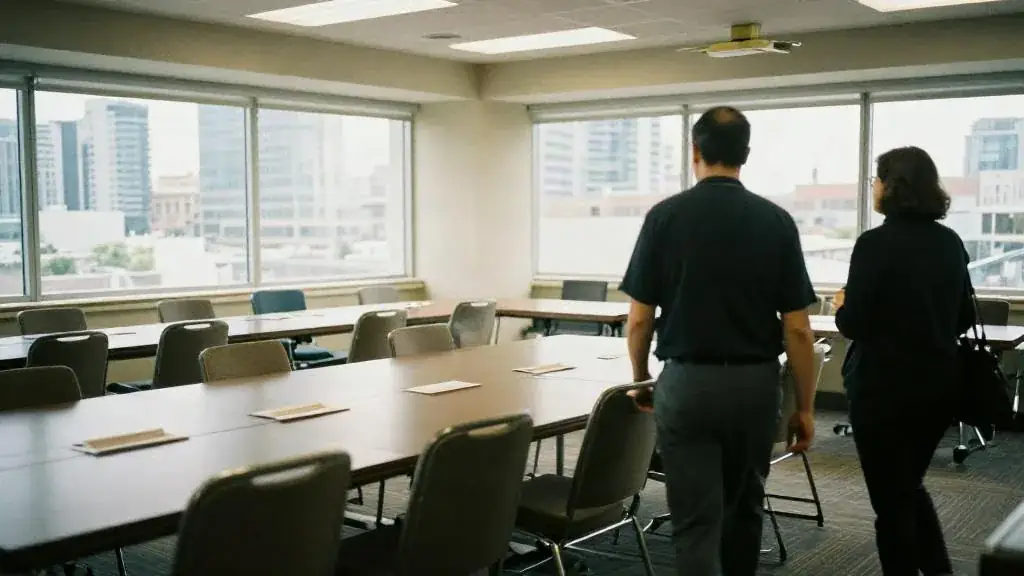
- Write a one-paragraph event summary: purpose, audience, date and alternates, guest count.
- List space needs by function: reception, dinner, breakouts, green room, storage, load-in access.
- Give capacities in the layout you will use (theatre, classroom, rounds), not just a headcount.
- List F&B by meal and bar type, plus any known dietary or cultural requirements.
- List AV and production needs, or state that you are bringing your own production company.
- Ask for a fixed response format: rental or F&B minimum, per-plate pricing, service charge, HST, deposit schedule, attrition and cancellation terms.
- State the response deadline, the decision date and who decides.
In Ontario and the GTA
Ask every Ontario respondent to quote before and after 13% HST and to show any service charge as its own line. Vendors here habitually quote before tax, so a quote that looks cheaper may simply be missing a line. For entertainment RFPs, ask whether the performer’s fee includes sound, travel inside the GTA and parking downtown; those are frequent surprises.
Questions to ask

- Is the date held while we decide, and for how long?
- What is the deposit, and when does it become non-refundable?
- Which items in this proposal are estimates and which are fixed?
- Are there other events in adjoining rooms on the same night?
Related tools
The event proposal template doubles as an RFP skeleton, and the vendor contact sheet keeps track of who you sent it to and when they replied. Lay the answers side by side in the event budget sheet so totals are compared on the same basis.
Why it matters
A good RFP gets comparable quotes; a vague one gets ten different answers you cannot compare.
Example
An RFP for a 300-person conference lists dates, theatre and classroom capacities, breakout rooms, AV needs, catering per day and the decision date.
Common mistakes
- Omitting the budget range, so vendors guess
- No decision date, so proposals drift
- Asking for a creative concept without a brief
Related guides, venues and vendors
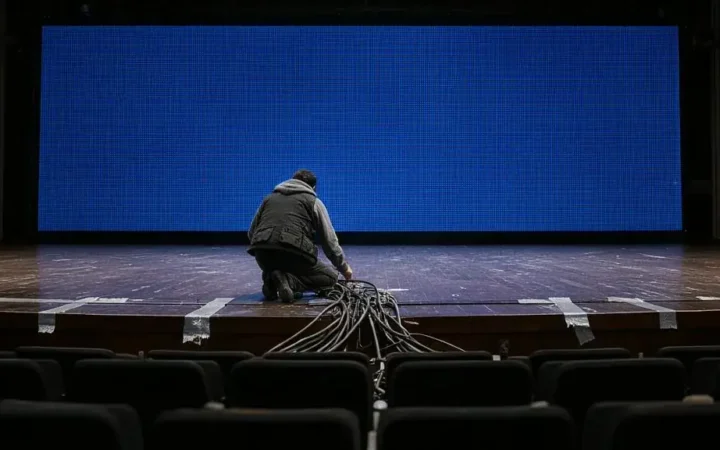
LED wall
Production & AV
A modular display built from LED panels, brighter and more flexible than projection.
Read more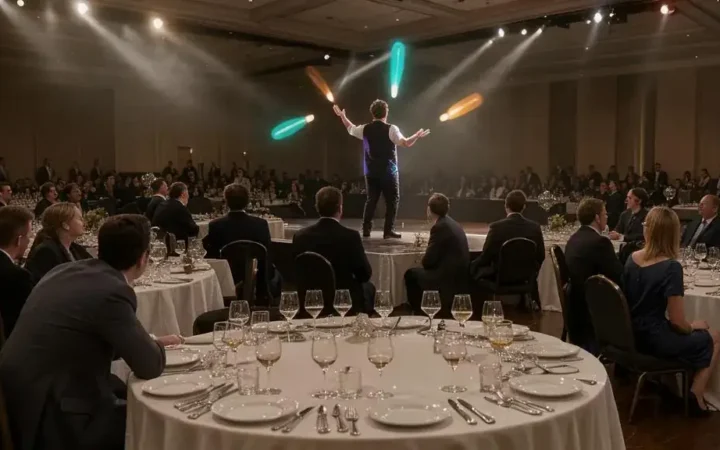
Opener
Entertainment
A short act that starts a program and sets the energy.
Read more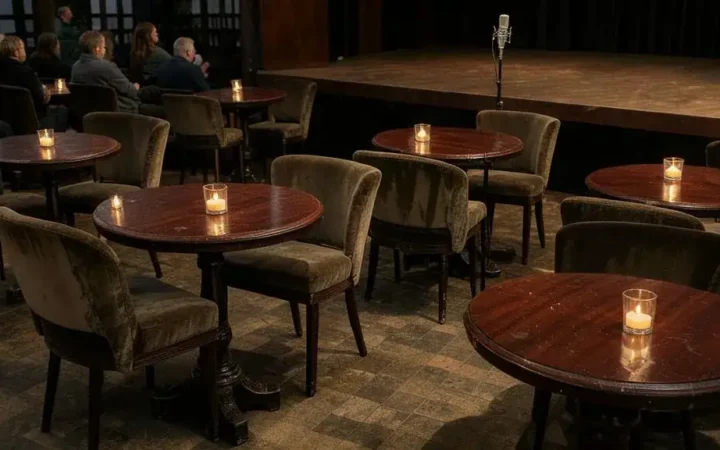
Cabaret seating
Venue & Layout
Rounds with chairs on the front two-thirds, usually 6 per table, for shows with food.
Read more