A one-page document describing what the event should feel like, who it is for and what cannot be compromised, shared with every vendor.
Read the transcript
Creative brief.
A one-page document describing what the event should feel like, who it is for and what cannot be compromised, shared with every vendor.
How it works in practice.
A creative brief is short on purpose.
One page, sometimes two, that answers five questions: who the guests are, what they should feel when they walk in, what it should look and sound like, what cannot be compromised, and what the spending tier is.
How to handle it.
Draft it from your kickoff meeting notes, in the client's words where possible.
Include the palette as named colours with reference images, not just "warm tones".
Questions to ask.
Of the client: what is the one photo you want from this night?
Of the client: what did you dislike at the last event like this you attended?
More detail, examples and common mistakes are on this page, below the video.
How it works in practice
A creative brief is short on purpose. One page, sometimes two, that answers five questions: who the guests are, what they should feel when they walk in, what it should look and sound like, what cannot be compromised, and what the spending tier is. It is not a mood board, though it can link to one. It is not a proposal, which is written to win the client. The brief is written after the client has said yes, and it is written for vendors.
The non-negotiables section does the most work. “No purple” or “the sponsor logo appears in every photo moment” or “nothing scented near the head table” saves a revision round with every vendor who reads it. So does a line on what the event is not: “not a nightclub”, “not a wedding look”.
How to handle it

- Draft it from your kickoff meeting notes, in the client’s words where possible.
- Include the palette as named colours with reference images, not just “warm tones”.
- State the audience plainly: age range, how well they know each other, how formal.
- Give a budget tier rather than numbers for each vendor, so quotes come back in the right range.
- Have the client sign off, then send it with every RFP and every booking.
- Re-send it when anything changes and add a version date.
Questions to ask
- Of the client: what is the one photo you want from this night?
- Of the client: what did you dislike at the last event like this you attended?
- Of decor and lighting vendors: what would you change in this brief to make it buildable on this budget?
- Of entertainers: does the act fit the tone, and can the costume follow the palette?
The brief feeds the backdrop, the lighting colour and the music. When the florist and the DJ have read the same page, the room looks like one event.
Related tools
The party theme generator can help you name a direction, and the vendor contact sheet tracks who has received the current version.

Why it matters
It stops the florist and the DJ from designing two different events.
Example
A brief for a 1920s gala: palette, tone, non-negotiables, audience, budget tier.
Common mistakes
- Keeping the brief private
- More than one page
Related guides, venues and vendors
Comp ratio
Business & Legal
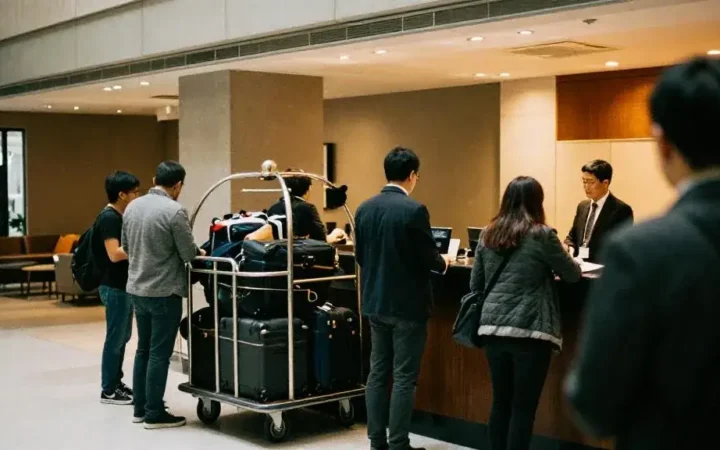
The number of complimentary rooms or tickets a venue grants per number booked.
Read more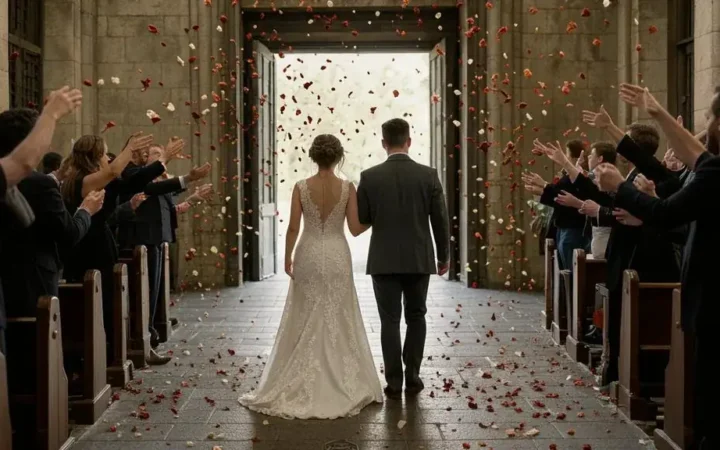
Recessional
Weddings & Cultural
The exit of the couple and wedding party at the end of a ceremony.
Read more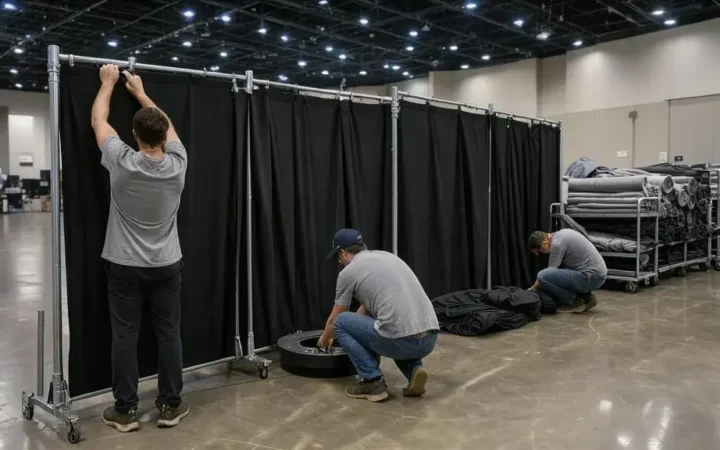
Pipe and drape
Production & AV
Adjustable metal uprights and bases with fabric panels, used to create walls, backdrops and hide storage.
Read more