What sponsors buy (access, data, visibility), tiered packages, activation ideas and the deck template.
Read the transcript
Sponsorship: packages that get signed.
What sponsors buy (access, data, visibility), tiered packages, activation ideas and the deck template.
What sponsors actually buy.
Sponsors do not buy logos; they buy access to a room they want, data about who was in it, and visibility that their customers notice.
A package that offers only "logo on the screen" sells poorly.
Building the tiers.
Prices are typical for a 200 to 400 seat GTA gala; a corporate conference or festival sets them from audience size and the data it can offer.
Keep the number of tiers small and the presenting tier exclusive.
Activation ideas that sponsors renew for.
A sponsored moment the room enjoys: the entertainment ("the mentalist set is presented by…"), the dessert bar, the photo wall.
A hosted experience for the sponsor's guests: a pre-reception with the keynote, a reserved lounge.
The sales calendar.
Twelve weeks out: packages finalized, deck built from the sponsorship deck template, target list of 30 companies.
Ten weeks: personal asks by the chair and committee (not a mass email) to the top ten.
Worked example.
The Harbour Gala sold a presenting sponsorship to a regional bank for 20,000 dollars (two tables, a two-minute welcome from a vice-president, the mentalist set in its name), two gold at 8,000 dollars (a law firm and a construction company) and eleven table sponsors.
The fulfilment report with photos went out within a week; all three top sponsors renewed in writing before year-end.
That is the lesson. The worksheet and the quiz are just below this video.
What you will be able to do
- Build a sponsorship package
- Price tiers
- Deliver and report on sponsorship
What sponsors actually buy
Sponsors do not buy logos; they buy access to a room they want, data about who was in it, and visibility that their customers notice. A package that offers only “logo on the screen” sells poorly. A package that offers the sponsor’s executive two minutes on stage, a table beside the keynote and the attendee list (with consent) sells.

Building the tiers
| Tier | Typical gala price | What it includes |
|---|---|---|
| Presenting (one) | $15,000–$25,000 | Name in the event title, two-minute welcome, two tables, logo everywhere, first right of renewal |
| Gold (two to three) | $7,500–$10,000 | One table, named element (the reception, the entertainment, the wine), stage mention, social posts |
| Silver (four to six) | $3,000–$5,000 | Half-table or four seats, logo on program and screens, one social post |
| Table sponsor (many) | $3,500–$4,500 for ten seats | Table signage, program listing |
| In-kind | Value of goods | Wine, AV, print, florals; recognized at the tier their value matches |
Prices are typical for a 200–400 seat GTA gala; a corporate conference or festival sets them from audience size and the data it can offer. Keep the number of tiers small and the presenting tier exclusive.
Activation ideas that sponsors renew for
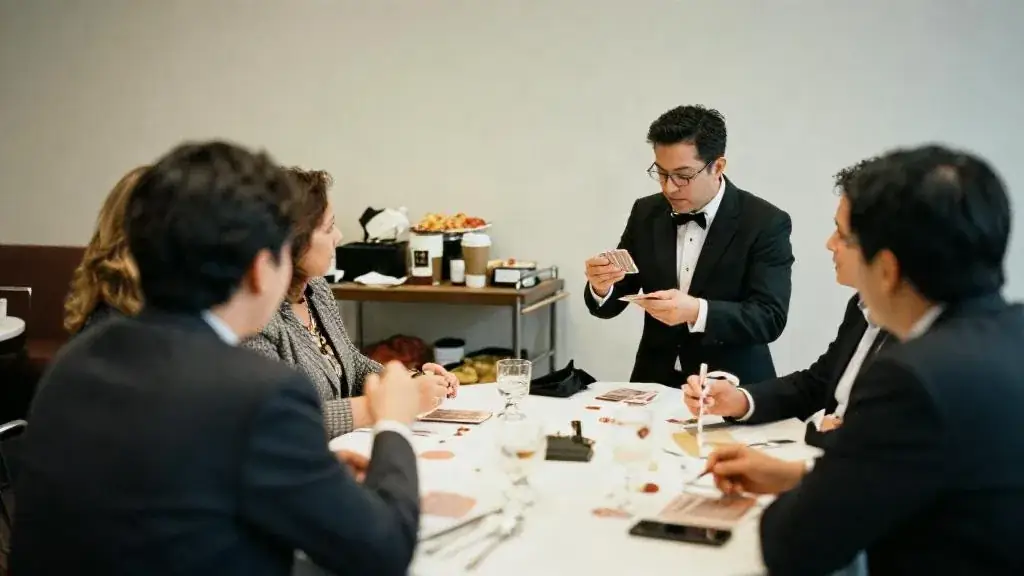
- A sponsored moment the room enjoys: the entertainment (“the mentalist set is presented by…”), the dessert bar, the photo wall.
- A hosted experience for the sponsor’s guests: a pre-reception with the keynote, a reserved lounge.
- Something people take home with the sponsor’s name on it that they actually keep.
- Data: a post-event report with attendance, impressions, survey quotes and photos of their activation. This report is the single most effective renewal tool.
The sales calendar
- Twelve weeks out: packages finalized, deck built from the sponsorship deck template, target list of 30 companies.
- Ten weeks: personal asks by the chair and committee (not a mass email) to the top ten.
- Eight weeks: follow-up meetings; presenting sponsor closed.
- Six weeks: silver and table sponsors; invitations go out carrying sponsor names.
- Two weeks: fulfilment checklist per sponsor: logo files, table names, script mentions, social posts.
- One week after: thank-you and the fulfilment report.
Worked example
The Harbour Gala sold a presenting sponsorship to a regional bank for $20,000 (two tables, a two-minute welcome from a vice-president, the mentalist set in its name), two gold at $8,000 (a law firm and a construction company) and eleven table sponsors. The fulfilment report with photos went out within a week; all three top sponsors renewed in writing before year-end.
Common mistakes
- Logo-only packages.
- A mass email instead of a personal ask from someone the sponsor knows.
- Promising the attendee list without consent language at registration.
- No fulfilment checklist, so a logo is missing from the screen and the sponsor notices.
- No post-event report.
Ontario and Canadian rules that apply
Sponsorship and donation are different transactions, and the difference matters to both sides. When a company pays a charity in return for advertising and recognition, it is generally buying promotion, not making a gift, so the charity should not promise an official donation receipt for a sponsorship. The CRA sets these rules, and a charity’s accountant should confirm how each package is treated, including whether HST applies to the sponsorship invoice. Get this settled before the deck goes out, because “Is this receiptable?” is often a sponsor’s first question.

The attendee list is the most valuable thing in many packages and the easiest to mishandle. Under PIPEDA, personal information collected for one purpose cannot be handed to a sponsor for marketing without consent. Put a clear, optional consent line on the registration form (“Share my contact details with the event’s sponsors”) and give sponsors only the names of those who agreed. When a sponsor then emails those guests, CASL applies to the sponsor’s messages, and the consent has to support it.
Beverage alcohol sponsors bring their own rules. Liquor advertising in Ontario is regulated by the AGCO, and there are limits on how alcohol may be promoted at licensed events and under a Special Occasion Permit. If a winery, brewery or spirits brand wants naming rights or a branded bar, check the current AGCO advertising standards and the venue’s licence before you sell the package.
Under the AODA, sponsor signage and screens should not block accessible routes, and printed materials should be available in accessible formats on request.
The sponsorship agreement
A signed package is not a contract until the details are written down. A one- or two-page agreement protects both parties and becomes your fulfilment checklist. It should cover:
- The sponsor’s legal name, the tier, the amount and whether HST is added.
- Every benefit, listed specifically: number of seats, stage mentions, logo placements, social posts, speaking time and its length.
- Deadlines for logo files, copy, guest names and any in-kind goods.
- Payment schedule and what happens if payment is late.
- Approval rights over how the sponsor’s brand is used, and the organizer’s right to decline content that does not suit the event.
- Cancellation, postponement and refund terms, and the right of first refusal for next year.
GTA practice notes
Corporate budgets in the GTA are commonly set months ahead, often in the autumn for the following year, so an ask for a spring gala that arrives in February may already be too late. Build a relationship calendar that reaches sponsors before their budgets close, even if the formal package follows later.
Local beats large. A regional employer, a professional firm with clients in the room or a business on the same street as the venue often renews more reliably than a national brand with a distant marketing team. The GTA’s community, cultural and professional associations are also strong partners for events aimed at their members, and they may sponsor in kind with promotion to their own lists.
Value in-kind sponsorship honestly. Recognize wine, AV or florals at the amount you would otherwise have paid, not at retail list price, and record it in the budget so the event’s true cost is visible.
Questions sponsors will ask
Prepare written answers before the first meeting. Who was in the room last year, by sector and seniority? How many people will see our name, and how will you measure it? Can we speak, and for how long? Will we receive guest contact details, and with what consent? Is any part of this receiptable? What did last year’s sponsors get, and did they renew? What happens if the event is cancelled? Use the sponsorship deck template to put these answers on the slides, so the conversation starts from evidence rather than adjectives.
How this connects to the next lesson
Media coverage is one of the strongest benefits you can offer a sponsor, and one of the hardest to promise. The next lesson, on PR and media, shows how to find the story that earns coverage. When a story runs, the sponsor’s name in it is worth more than a logo on a screen; when it does not, your fulfilment report still needs to stand on its own, so never sell coverage as a guaranteed benefit.
Worksheet
Download the worksheet, complete it for your own event (or the running gala example), and keep it in your course binder. It takes about 12 minutes.

Check your understanding
Related guides, venues and vendors

Guest journey mapping
Module 6: Design & Guest Experience · 15 min
Eight beats from invitation to the ride home. Find the moments guests remember, fix the ones they complain about.
Read more
Fire, pyro, candles and performers
Module 8: Legal, Safety & Risk (Ontario) · 15 min
Open flame rules, pyrotechnic permits, fire performer requirements, extinguishers, fire watch and venue approvals.
Read more
Module 6 workshop: design the guest experience
Module 6: Design & Guest Experience · 15 min
For the gala, design arrival, cocktail hour, dinner, program and departure with lighting cues, décor priorities and accessibility built in.
Read more