Which outlets cover events in Toronto, how to pitch, media passes, and what makes a story.
Read the transcript
PR and media for GTA events.
Which outlets cover events in Toronto, how to pitch, media passes, and what makes a story.
Who covers events in Toronto.
Event coverage in the GTA comes from a handful of places: the city's daily papers and their event listings; local television morning shows (which book live segments weeks ahead and love a performer who can do something in three minutes); lifestyle and city blogs and their newsletters; community and ethnic media, which are often the most responsive for cultural and neighbourhood events; trade publications for industry events; and the organizers' own channels, which usually reach more of the right people than any of the above.
What makes a story.
An event is not news.
These are: a first (the first time a thing has happened in the city), a number (a record raised, a thousand guests), a person (a notable speaker, a performer with a story), a picture (an aerialist over a crowd, a 40-foot cake), a cause that is in the news that week, or a how-to the outlet's readers want (what to book for a holiday party, what a wedding costs this year).
The pitch.
Who, what, when, where, and the hook in the first line.
Sent to a named journalist or producer who has covered something similar, not to a general inbox.
Media on the night.
Offer a media pass with a named contact who meets them at the door, a shot list with times (the arrival, the moment, the performer), a place to stand that does not block guests, and a fact sheet with correct spellings and the number they will need in the story (the total, the attendance).
A short interview with the chair or the performer, pre-arranged, gets you quoted.
Performers as PR.
A performer who has done television knows what a three-minute segment needs and will often bring their own press contacts.
The Directory lists press appearances on performer profiles; it is a reasonable filter when choosing a headliner for an event that wants coverage.
That is the lesson. The worksheet and the quiz are just below this video.
What you will be able to do
- Write a media pitch
- Manage media on site
- Measure coverage
Who covers events in Toronto
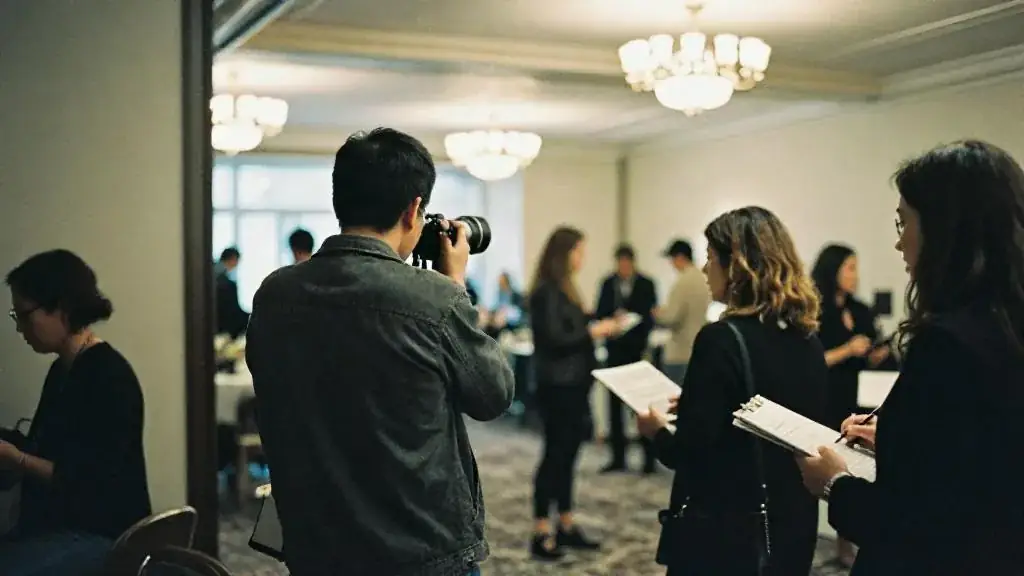
Event coverage in the GTA comes from a handful of places: the city’s daily papers and their event listings; local television morning shows (which book live segments weeks ahead and love a performer who can do something in three minutes); lifestyle and city blogs and their newsletters; community and ethnic media, which are often the most responsive for cultural and neighbourhood events; trade publications for industry events; and the organizers’ own channels, which usually reach more of the right people than any of the above.
What makes a story
An event is not news. These are: a first (the first time a thing has happened in the city), a number (a record raised, a thousand guests), a person (a notable speaker, a performer with a story), a picture (an aerialist over a crowd, a 40-foot cake), a cause that is in the news that week, or a how-to the outlet’s readers want (what to book for a holiday party, what a wedding costs this year). Find the story inside the event before you write a word.
The pitch

- One paragraph. Who, what, when, where, and the hook in the first line.
- Sent to a named journalist or producer who has covered something similar, not to a general inbox.
- With one strong image attached or linked, credited, and a note that more are available.
- Three to four weeks ahead for print and television listings; one week for blogs; the day before for a photo desk.
- Follow up once, by phone if you have the number, two days later.
Media on the night
Offer a media pass with a named contact who meets them at the door, a shot list with times (the arrival, the moment, the performer), a place to stand that does not block guests, and a fact sheet with correct spellings and the number they will need in the story (the total, the attendance). A short interview with the chair or the performer, pre-arranged, gets you quoted.
Performers as PR
A performer who has done television knows what a three-minute segment needs and will often bring their own press contacts. The Directory lists press appearances on performer profiles; it is a reasonable filter when choosing a headliner for an event that wants coverage.
Measuring it
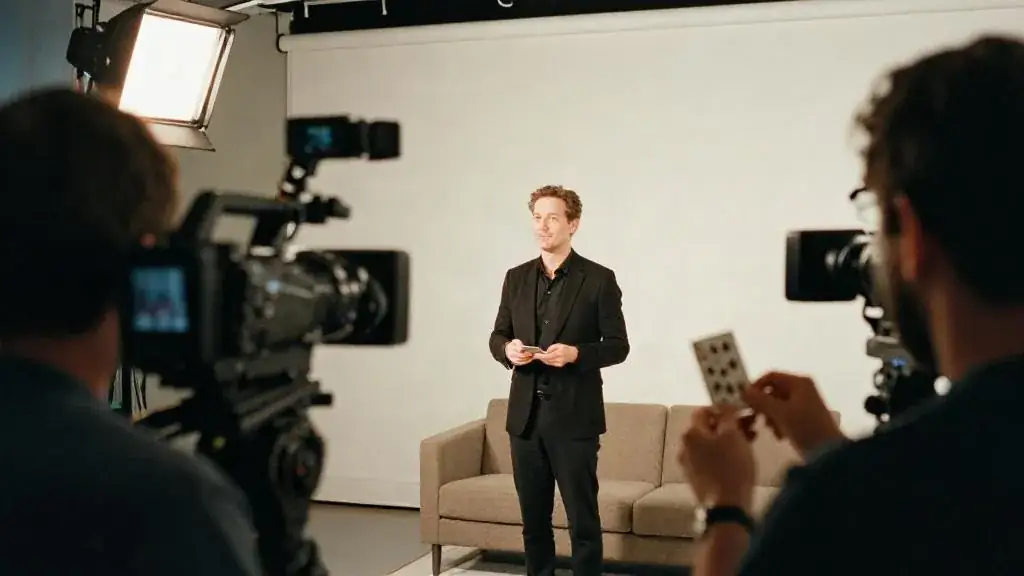
Count pieces, estimated reach, and (most useful) ticket sales or registrations in the 48 hours after each piece ran. Keep the clippings for the sponsorship report; sponsors read them.
Worked example
The Harbour Gala pitched two stories: the hospital’s new unit that the money would fund (to a health reporter, with the chief of the unit available for interview) and the mentalist’s set (to a morning show producer, with a 90-second studio demo offered the week before). The health story ran the morning of the event; the morning show booked the demo. Both appeared in the sponsorship report.
Common mistakes
- Pitching “our gala is happening” with no story.
- A press release to a general inbox the day before.
- No image.
- Nobody to meet the photographer at the door.
- Not keeping the clippings.
Ontario rules that apply
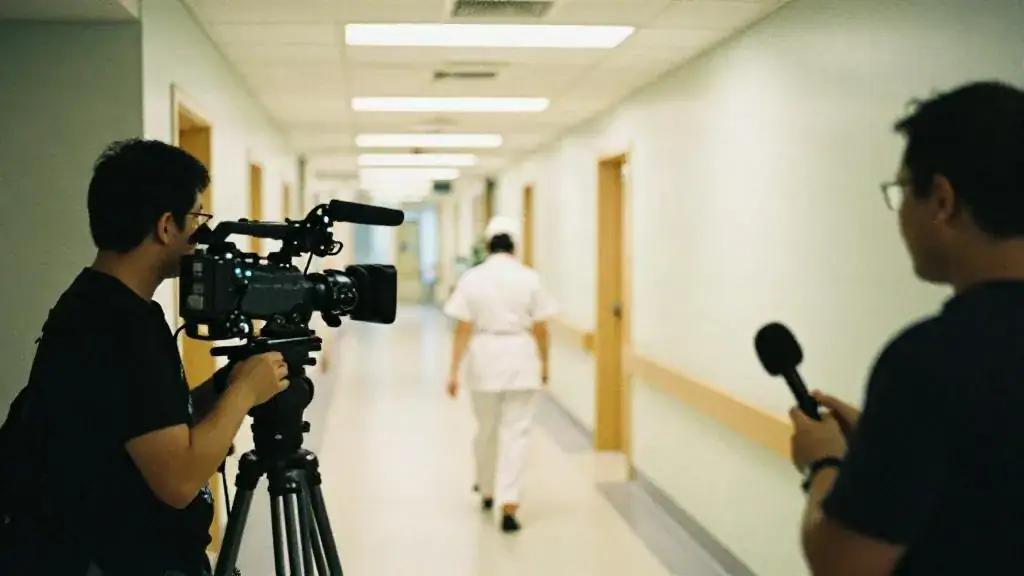
Media on site means cameras, and cameras raise the same consent questions as your own photographer, with less control over where the images end up. Tell guests at registration and on signage that media will be present. Brief journalists and camera operators on any guest who must not be filmed, and on any areas that are off limits. For events with children, a parent or guardian should agree in writing before a child is photographed for publication, and it is wise to keep children out of media shots unless consent is confirmed.
If your organization collects personal information to build a media list, or shares guest details with a reporter for a follow-up interview, PIPEDA principles apply: ask first, share only what is needed, and record the consent.
Your own video shoots in public places may need permission. Filming for promotion on a street, in a park or on transit property is different from news coverage. Check with the municipality before shooting in public space, and with the TTC or Metrolinx before filming on their property, because both require permission for commercial filming.
Claims in a press release are also advertising. A total raised, an attendance figure or a “first in Canada” should be true and verifiable. Under the federal Competition Act, misleading claims made to promote a business interest can create real trouble, and in practice a false number in one story will be quoted in every story after it.
The media kit
Have a short media kit ready before the first pitch, as a single web page or one shared folder, so that a producer who says yes can work without waiting for you.
- A one-page fact sheet: the event, date, venue, organizer, cause or purpose, expected attendance, and the contact who will answer the phone.
- Two or three high-resolution images, credited, with permission to publish, including one vertical image for social and broadcast.
- Short biographies of the people available for interview, with correct name spellings, titles and pronouns.
- Logos for the organizer and sponsors, and a line on how sponsors should be credited.
- Embargo terms if anything, such as the total raised or a surprise guest, should not be published before a set time.
GTA practice notes
Toronto is a busy news market, and events compete with everything else happening that week. Check the city calendar before choosing a pitch date: a major sporting final, a civic announcement or a large festival weekend can absorb every photographer in the city. Midweek mornings are often quieter news days than Fridays.
Community and language media serve large audiences across the GTA and are often more responsive than the dailies, particularly for cultural, faith-based and neighbourhood events. Pitch them in their language if you can, and offer a spokesperson who speaks it.
Think about how a crew will arrive. Television crews need a loading spot close to the door, a place to park the vehicle, and a clear route to the room. A downtown hotel’s loading dock may need a booking; tell the venue the crew is coming and give the crew a named contact and a mobile number.
When the story goes wrong
Most event coverage is friendly, but plan for the question you hope nobody asks. Write a short holding statement for the obvious risks: a cancelled headliner, a weather closure, a safety incident, a protest outside, or a sponsor in the news for the wrong reasons. Agree in advance who speaks for the event (one person, not the planner by default) and who signs off on any statement. If something happens, say what you know, what you are doing about it and when you will update, and do not guess. Record the incident in the risk register so it shapes the plan next year.
Questions to ask before you pitch
What is the one sentence that makes this news rather than an event? Who is the journalist who has covered something like it in the last year? Which image tells the story without words? Who is available for interview, and are they briefed? What number will we have, and at what time can we release it? Which sponsors will be named, and have they approved how? With those answers in hand, the pitch nearly writes itself, and the Module 9 workshop asks you to put it into a full launch plan.
Worksheet
Download the worksheet, complete it for your own event (or the running gala example), and keep it in your course binder. It takes about 10 minutes.
Check your understanding
Related guides, venues and vendors

Managing vendors on the day
Module 10: Event Day · 15 min
Arrival checks, the pre-event briefing, problem escalation, and paying balances on site.
Read more
Auctions, raffles and Ontario lottery rules
Specialist · Fundraisers · 15 min
AGCO lottery licensing for raffles, auction logistics and payment collection.
Read more
Contracts and liability basics
Module 8: Legal, Safety & Risk (Ontario) · 15 min
What a contract must contain, who is liable for what, and why your own client agreement needs a liability cap. Not legal…
Read more