For the gala from Module 3, select entertainment, caterer, AV and photo from the Directory, collect riders and COIs, and build the combined venue brief.
Read the transcript
Module 5 workshop: book a full vendor team.
For the gala from Module 3, select entertainment, caterer, AV and photo from the Directory, collect riders and COIs, and build the combined venue brief.
The exercise.
Book the full vendor team for the Harbour Gala at the 40,000 dollars envelope from Module 3, using the Directory, the riders and the contract checklist.
The output is a vendor contact sheet, a folder of signed contracts and COIs, and a short memo to the committee explaining each choice and its alternative.
Step 1: order of booking.
Venue (done; the hotel contract is signed).
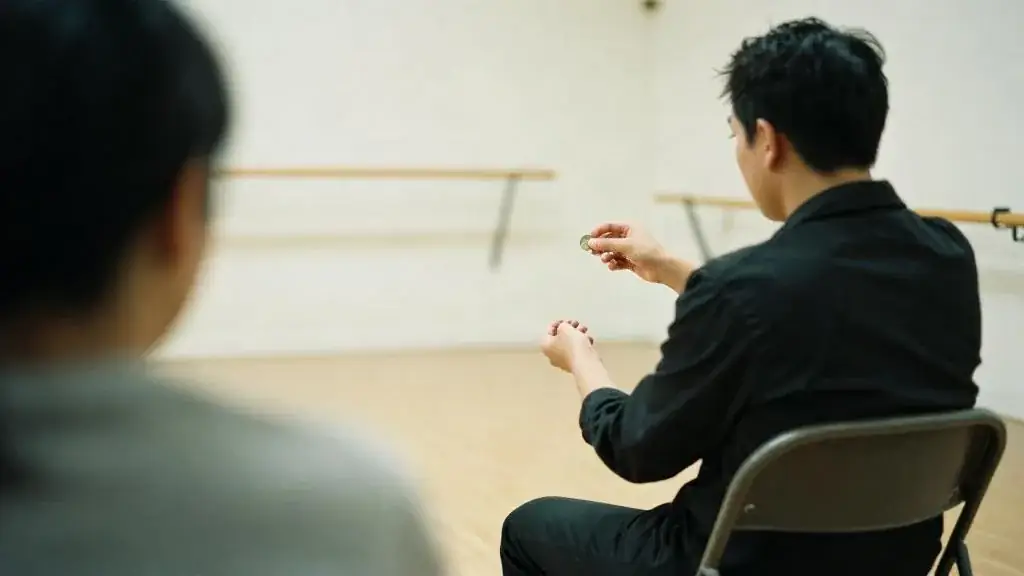
Entertainment that depends on the room: the mentalist, because the set needs a stage, a lapel mic and a specific slot before the ask.
Step 2: shortlist from the Directory.
Filter mentalists and magicians by Toronto, by corporate and gala event types, and by "insurance on file".
Shortlist three for each role.
Step 3: the comparison.
Step 4: riders and COIs.
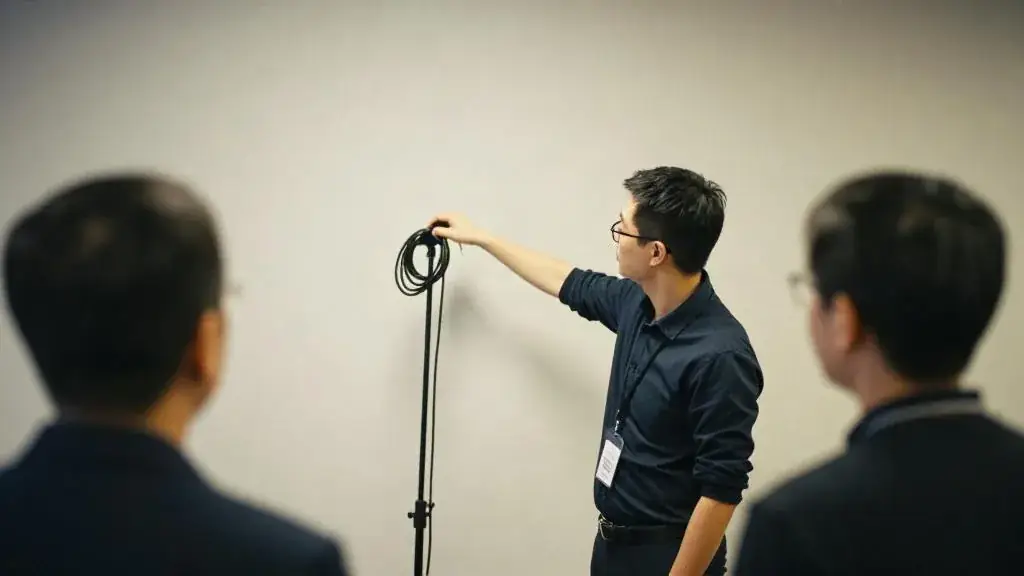
Forward the mentalist's rider to the AV company and the hotel the day it arrives.
Collect COIs naming the hotel as additional insured with each signed contract.
That is the lesson. The worksheet and the quiz are just below this video.
What you will be able to do
- Select a vendor team against the brief
- Build a combined technical brief
- Create the COI and contract tracker
The exercise
Book the full vendor team for the Harbour Gala at the $40,000 envelope from Module 3, using the Directory, the riders and the contract checklist. The output is a vendor contact sheet, a folder of signed contracts and COIs, and a short memo to the committee explaining each choice and its alternative.

Step 1: order of booking
- Venue (done; the hotel contract is signed).
- Entertainment that depends on the room: the mentalist, because the set needs a stage, a lapel mic and a specific slot before the ask.
- AV, briefed with the rider and the hotel’s inclusions.
- Photographer.
- Strolling magicians (two, from the same agency so substitution is simple).
- Décor and florals.
- Print and signage.
Step 2: shortlist from the Directory
Filter mentalists and magicians by Toronto, by corporate and gala event types, and by “insurance on file”. Shortlist three for each role. Note that listings owned by the site founder are marked with a disclosure and are not ranked ahead of others; treat them as one option among three.
Step 3: the comparison
| Role | Option A | Option B | Option C | Choice and reason |
|---|---|---|---|---|
| Mentalist, 25 min before the ask | Agency act, $2,800 incl. travel, rider: lapel mic, riser, house lights down | Independent, $1,900, rider: handheld only, no lighting needs | Comedy magician stage show, $2,400 | B: fits the budget and the slot; references from two foundations; COI on file |
| Strolling magicians, 90 min | Agency, two performers $1,200 | Two independents, $600 each | One performer $650 | A: one contract, built-in substitution, one COI |
| AV | Hotel in-house, $3,200 list | Outside company, $1,900 using hotel inclusions | Outside, $4,300 with extras | B: hotel allows outside AV with a $250 fee; still cheaper |
| Photography, 6 hours | $2,400 with second shooter | $1,600 solo, 48-hour turnaround | $900, student | B: a gala needs fast delivery for stewardship emails more than a second angle |
Step 4: riders and COIs
Forward the mentalist’s rider to the AV company and the hotel the day it arrives. Collect COIs naming the hotel as additional insured with each signed contract. Log receipt on the contact sheet.
Step 5: the committee memo
One page: each role, the choice, the price all-in, the alternative and why it lost, and any disclosure (none in this example). Committees approve in minutes when they can see the alternative.
What this teaches
The vendor team is a set of decisions with reasons, written down. When the chair asks in October why the photographer is not the one her cousin used, the memo answers her. Complete the worksheet for an event of your own: three options per role, one choice, one reason.
Ontario checks before anything is signed
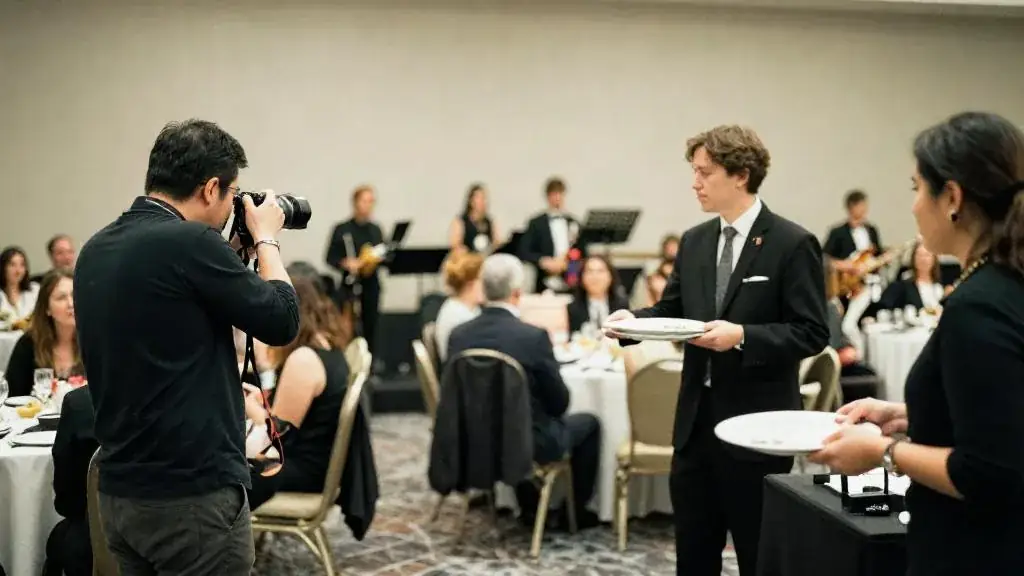
A vendor team that looks right on paper can still fail a venue’s load-in or a client’s audit. Before the committee memo goes out, run every chosen vendor through the same short set of Ontario checks. Do it on the tracker, one column per check, so that a gap is visible at a glance.
- HST. Is the vendor registered? If so, their HST number appears on the quote and 13 percent is shown on its own line. If not, a note says why (often a small supplier below the CRA’s $30,000 threshold).
- Insurance. A COI with the hotel named as additional insured, in the wording the hotel’s event manager supplied, with policy dates that cover the gala.
- Certifications. Smart Serve for anyone the client supplies to pour (the hotel’s bartenders are the hotel’s responsibility); any rigging or fire approvals for acts that need them.
- Accessibility. The AV quote includes what the AODA review of the program called for: a reachable lectern mic, captions on the mission video, level access to the stage.
- Privacy. The photographer’s contract says how guest images will be used and stored, so the foundation can meet its PIPEDA obligations and honour guests who ask not to be photographed.
None of these checks takes long once you know where to look. All of them take far longer when the hotel asks for them on the morning of the event.
A worked timeline for the gala
The Harbour Gala is in November. Working back from the date shows why the booking order in this workshop matters. The venue was signed the previous winter. Entertainment was confirmed in July, because the mentalist’s slot and rider shape the AV brief, and good acts for a November weeknight start to disappear once the corporate holiday season begins booking. The AV company received the rider and the hotel’s inclusions in August and returned a quote within two weeks; the site visit with the hotel’s event manager took place in September.
The photographer and the strolling magicians were booked by early September. Décor, florals and print followed in late September and October, once the room layout and the sponsor list were stable. Every contract and COI was on file a month before the event, which left the final four weeks for the run of show, the seating chart and the vendor briefing rather than paperwork.
Your own event will have a different calendar, but the logic holds: book what is scarce and what shapes other vendors first, and leave what can adapt until later.
Common mistakes in this exercise
The most common is choosing on price alone. Option C in the comparison is often cheapest because something is missing: a second shooter, set-up time, travel, insurance. Before you choose, make sure all three options answer the same brief, with HST and service charges included.
The second is forgetting the people who connect vendors to each other. A mentalist’s rider that reaches the AV company but not the hotel means nobody books the riser. A caterer who does not know that two magicians and a photographer need vendor meals will not have them. The combined technical brief exists to stop these gaps; send it to everyone, not only to the AV company.
The third is writing a memo that defends a choice without naming the alternative. Committees trust a planner who shows the option that lost and says why. They grow suspicious of one who presents a single name, especially if the planner has any connection to that vendor. If you do, disclose it in the memo in plain words.
How this connects to the next module
With the vendor team booked, Module 6 turns to what guests see and feel: décor, lighting, the guest journey, the menu and accessibility. The decisions you made here set the limits for that work. The AV quote fixes what lighting is possible, the caterer’s service style shapes the table, and the entertainment program sets the rhythm of the evening. Start with Décor that photographs: where money shows, and keep your vendor contact sheet current as you go. If the accessibility check above raised questions, the lesson on accessibility by design answers them.
Worksheet
Download the worksheet, complete it for your own event (or the running gala example), and keep it in your course binder. It takes about 21 minutes.
Check your understanding
Related guides, venues and vendors
Entertainers, activities and safety
Specialist · Kids' Parties · 15 min
Magicians, circus skills, balloon artists, face painters; vetting, police checks and allergy planning.
Read more
Choosing a format and platform
Specialist · Virtual & Hybrid · 15 min
Virtual, hybrid, hub-and-spoke; platform features that matter and the ones that do not.
Read more
Module 7 workshop: full production plan
Module 7: Logistics & Operations · 15 min
For the gala: master timeline, run of show, load-in schedule, transport plan, seating and staffing in one package.
Read more