Open, consumption and toonie bars; AGCO Special Occasion Permits; Smart Serve; last call and safe rides. The bar calculator in practice.
Read the transcript
Bar: packages, permits and Smart Serve.
Open, consumption and toonie bars; AGCO Special Occasion Permits; Smart Serve; last call and safe rides.
The bar calculator in practice.
Three bar models.
A common compromise: hosted wine and beer with dinner, a two-hour hosted bar, then cash.
The bar calculator estimates quantities and cost for each model.
When you need a Special Occasion Permit.
If the venue holds a liquor licence (a hotel, restaurant, banquet hall or licensed event space), its licence covers the event and you do not need a permit.
If it does not (a loft without a licence, a gallery, a park, a private hall, an office, a tent), alcohol can only be served under an AGCO Special Occasion Permit.
Running the bar well.
One bartender per 50 to 75 guests for a hosted bar; one per 100 for wine and beer only. A single bar for 200 guests at the end of a speech produces a ten-minute line; two bars or a satellite wine station fixes it.
Last call 30 minutes before the end and the bar closed 15 minutes before; announce it from the stage.
Worked example.
The Harbour Gala is in a licensed hotel, so no permit is needed.
The committee chose a two-hour hosted bar through cocktails and the first course, then a cash bar, with wine poured at the tables through dinner.
Common mistakes.
Assuming a loft is licensed; applying for the SOP with nine days to go.
No cap on a consumption bar and a 7,000 dollars invoice.
That is the lesson. The worksheet and the quiz are just below this video.
What you will be able to do
- Choose a bar model
- Know when an SOP is required
- Plan responsible service
Three bar models
| Model | How it is priced | Good for | Risk |
|---|---|---|---|
| Open (hosted) bar | Per person per hour (hotels commonly tier it) or on consumption with a cap | Weddings, galas, holiday parties where the host wants nobody paying | Cost; over-service |
| Consumption bar | Host pays for what is poured, often with a running tally and a stop-point | Corporate events with a budget ceiling | Needs a cap and someone watching the tally |
| Cash or toonie bar | Guests pay, or pay a token amount with the host covering the rest | Fundraisers, community events, large casual parties | Guests resent a full cash bar at a wedding; a toonie bar reads as generous |
A common compromise: hosted wine and beer with dinner, a two-hour hosted bar, then cash. The bar calculator estimates quantities and cost for each model.
When you need a Special Occasion Permit
If the venue holds a liquor licence (a hotel, restaurant, banquet hall or licensed event space), its licence covers the event and you do not need a permit. If it does not (a loft without a licence, a gallery, a park, a private hall, an office, a tent), alcohol can only be served under an AGCO Special Occasion Permit. The rules that matter:
- Timing. Apply at least 10 days before a private event (invited guests only, no advertising) and at least 30 days before a public event. Public events need a municipal resolution declaring the event of municipal significance, and events of 5,000 or more people a day need 60 days’ notice.
- Fees. $50 a day for a no-sale private event; $150 a day where alcohol is sold.
- Buying the liquor. Under the permit from the LCBO, the Beer Store or an Ontario winery or brewery; keep the receipts on site for inspection; the permit is posted at the event.
- Hours. Service between 11 a.m. and 2 a.m., last call at 1:45.
- Who pours. Smart Serve training is recommended for everyone serving, though the AGCO does not require it under a permit, which is a roughly four-hour online course. That includes volunteers at a fundraiser.
This is a summary, not legal advice; the AGCO website carries the current application and conditions. Build the permit dates into the master timeline so the 10 or 30 days are never a surprise.
Running the bar well
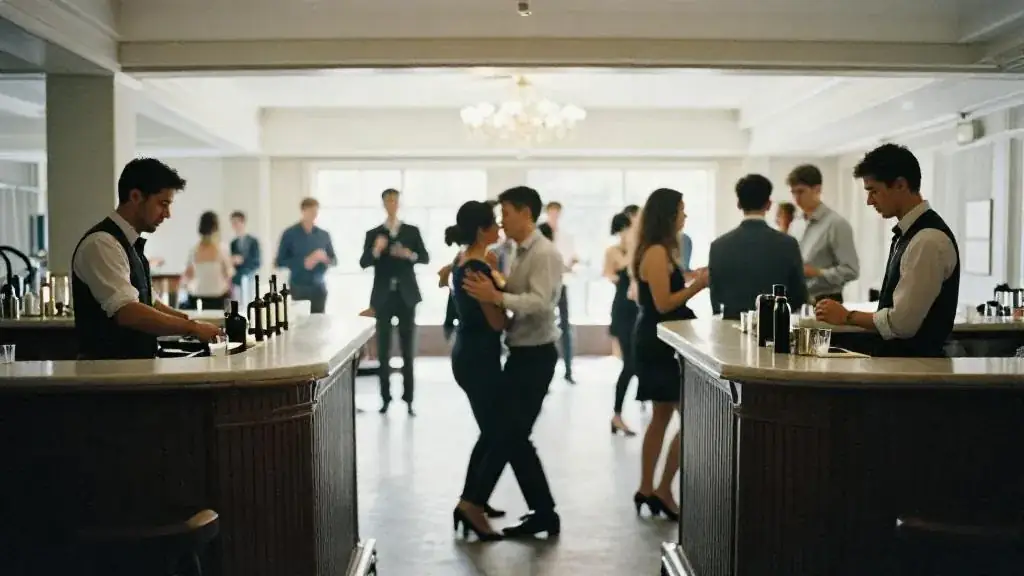
- One bartender per 50–75 guests for a hosted bar; one per 100 for wine and beer only. A single bar for 200 guests at the end of a speech produces a ten-minute line; two bars or a satellite wine station fixes it.
- Last call 30 minutes before the end and the bar closed 15 minutes before; announce it from the stage.
- Water, pop and a non-alcoholic cocktail on every bar, visible, free.
- Safe rides: a rideshare code, a shuttle, or a taxi stand arranged with the venue; print it on the program.
- Host liquor liability: the host and the planner can carry liability for an intoxicated guest. Event liability insurance for a one-day event with $2–5 million coverage typically runs $150–$400 and most unlicensed venues require it.
Worked example
The Harbour Gala is in a licensed hotel, so no permit is needed. The committee chose a two-hour hosted bar through cocktails and the first course, then a cash bar, with wine poured at the tables through dinner. The calculator put 200 guests at about 2.5 drinks each in the hosted window; the hotel capped the consumption tally at $3,400 all-in and the bartenders had the cap in writing. The MC called last call at 10:30 for an 11 p.m. end.
Common mistakes
- Assuming a loft is licensed; applying for the SOP with nine days to go.
- Volunteers pouring without Smart Serve.
- One bar for 200.
- No cap on a consumption bar and a $7,000 invoice.
- Forgetting that a service charge applies to the bar too.
More Ontario rules behind the bar
The legal drinking age in Ontario is 19, and the people pouring are expected to check. At a wedding or a family party where cousins of every age mix, that means a clear policy agreed in advance: who checks ID, what counts as acceptable identification, and what bartenders do when a guest looks young and has no card. Put the policy in the bartender briefing, not in a hallway conversation on the night.
Smart Serve training teaches servers to refuse service to anyone who is intoxicated, and a planner should back them up. Agree with the client before the event that bartenders have the final word, and tell the MC and the host family. A bartender who is overruled by the father of the bride is a liability for everyone in the room, including you.
Under an AGCO Special Occasion Permit, the permit holder is responsible for the event’s compliance, not the venue. If your client holds the permit, make sure they understand that in writing, and that someone sober and named is the permit holder’s representative on site. The AGCO site has the current conditions; read them with your client rather than summarising from memory.
Numbers to know
Canada uses a standard drink to compare beer, wine and spirits. One standard drink is roughly 341 ml (12 oz) of 5 percent beer, 142 ml (5 oz) of 12 percent wine, or 43 ml (1.5 oz) of 40 percent spirits. From that you can plan stock without guessing.
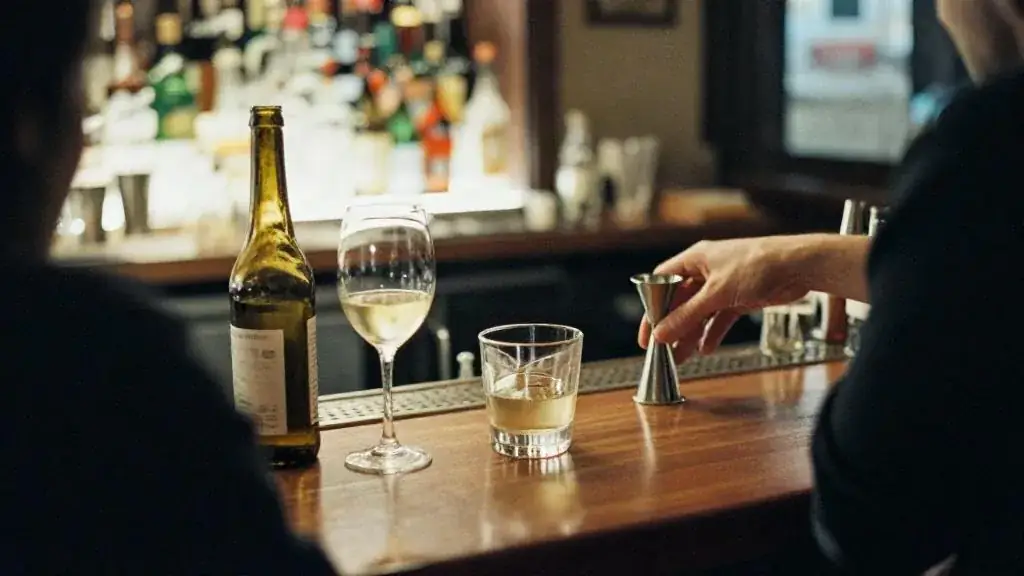
- A 750 ml bottle of wine pours about five 5 oz glasses; two to three bottles per table of ten is a common starting point for a plated dinner.
- A 750 ml bottle of spirits gives about 17 single pours at 1.5 oz.
- A typical guest drinks more in the first hour than in any later hour; plan stock and staffing for the opening rush, not the average.
- Non-drinkers are not a rounding error. Plan a proper non-alcoholic cocktail as a menu item, with its own stock count, and adjust once you know the crowd.
- Ice is usually underestimated. Ask the bar provider how much they bring, and where it will be stored if the venue has no ice machine.
Run these through the bar and alcohol calculator, then compare the result to the bar provider’s estimate. If they differ by more than a few cases, ask why.
GTA practice notes
Getting guests home safely is part of bar planning in the GTA, where many events end after transit has thinned out. Check the TTC and GO schedules with Metrolinx for the event night, print the last convenient departure on the program, and give the MC a line to read at last call. Suburban venues in Vaughan, Markham or Oakville often mean guests drove; a shuttle to a central station or a rideshare credit costs less than one bad outcome.
Corkage comes up when a client wants to bring their own wine to a licensed venue. Some venues allow it for a per-bottle fee, others refuse; there is no standard. If they agree, the venue still controls service. Ask early, because a client who has already bought forty bottles of wine is a client who will be upset.
In unlicensed spaces, the bar provider and the insurance broker should both see the floor plan. A bar placed beside the only exit, or a cash bar with no secure place for the float, causes problems a permit does not solve.
Questions to ask
Ask the venue or bar provider who supplies the bartenders and whether every one holds current Smart Serve certification; what the per-person or consumption pricing includes (mixers, garnishes, glassware, ice); how the service charge and HST apply to the bar; how a consumption tally is reported during the night and who can authorize going past the cap; and what the policy is on shots, doubles and pre-poured welcome drinks.
Ask your client how they want to handle a guest who is refused service, whether speeches should happen before or after the hosted window closes, and who will be the sober contact for the bartenders. These answers belong in the run of show and the bartender briefing.
How this connects to the next lesson
The bar sets the energy in the room, and the AV sets whether anyone can hear the toasts over it. In the next lesson, on AV basics, you will place microphones and speakers around the same floor plan you used to position bars. Keep the bar locations marked, because a bar under a speaker becomes the loudest corner of the room. For the full permit process, see AGCO Special Occasion Permits in Module 8.
Worksheet
Download the worksheet, complete it for your own event (or the running gala example), and keep it in your course binder. It takes about 12 minutes.
Check your understanding
Related guides, venues and vendors

The master timeline
Module 7: Logistics & Operations · 15 min
Backward-planned milestones from the date, by scale. Use the timeline generator and learn how to re-plan when dates move.
Read more
Budgets and net proceeds
Specialist · Fundraisers · 15 min
Cost per attendee, break-even, and reporting net to the board.
Read more
Insurance: yours, theirs and the venue’s
Module 8: Legal, Safety & Risk (Ontario) · 15 min
Commercial general liability, event liability, COIs, additional insured, and host liquor liability.
Read more