The entertainer is the program. For ages 5–8 a 45-minute magician or circus-skills show is the single best line in the budget; for toddlers it is 20 minutes of bubbles; for 10-year-olds it is the activity venue, or a short act built for an audience that wants to be in on it.
Read the transcript
Kids' party entertainment ideas.
The entertainer is the program.
For ages 5 to 8 a 45-minute magician or circus-skills show is the single best line in the budget; for toddlers it is 20 minutes of bubbles; for 10-year-olds it is the activity venue, or a short act built for an audience that wants to be in on it.
By age.
No entertainer unless there are older cousins and siblings.
If there are, a 30-minute bubble artist or a music-and-movement leader keeps them busy while the adults eat and the birthday child is photographed.
Timing the show.
Free play or a craft for the first 20 minutes. Nobody arrives on time and a show that starts with six kids is a worse show.
One structured game at the 20-minute mark to gather the room.
Typical GTA prices, 2026.
Vetting a children's entertainer.
A performer at a kids' party is an adult stranger in a room with your child and twenty others.
Professionals expect to be asked for the following and are suspicious of clients who do not ask.
Finding one.
The Directory lists children's entertainers across the GTA by act type and area.
A few listings are owned by the site's founder; they carry a visible disclosure and receive no ranking preference.
Maya's 6th.
Eighteen kids, Sunday 1 to 3 p.m., an Etobicoke community centre room, 900. dollars
The magician was booked at 375 dollars for a 45-minute show with a balloon finish, arrived at 1:15, started at 1:45 after a game had gathered the room, made Maya the assistant for the last trick, and had every child holding a balloon animal by 2:30 while the pizza came out.
The full guide, with tables and checklists, continues below this video.
By age
First birthday
No entertainer unless there are older cousins and siblings. If there are, a 30-minute bubble artist or a music-and-movement leader keeps them busy while the adults eat and the birthday child is photographed. Keep it in the first half; the child will nap or melt down in the second.
Ages 2 to 4
Twenty to thirty minutes, gentle, participatory, with the parents in the room and on the floor. Puppet shows, bubble acts, music and movement, a soft character visit (ask the performer how they handle a terrified 2-year-old; the good ones have an answer). Nothing with loud sounds, nothing with a reveal that frightens, nothing longer than half an hour. One entertainer for up to about 15 children.
Ages 5 to 8
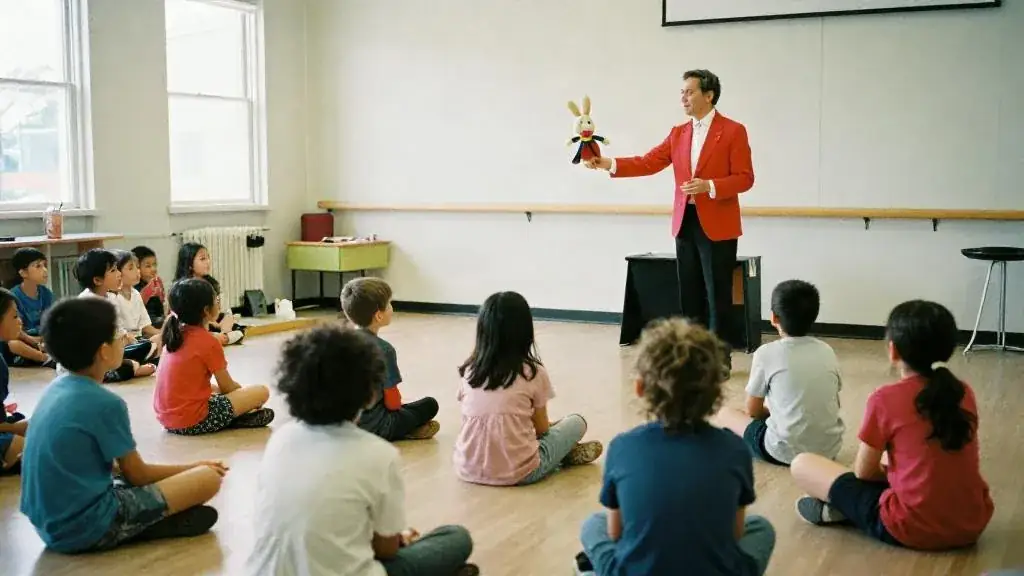
This is where children’s magicians, circus-skills performers, science shows and reptile or animal presenters earn their money. A 30- to 45-minute show at the 45- to 60-minute mark, with the birthday child as the star of a trick and every child doing something at least once. Circus-skills workshops (juggling scarves, plate spinning, a mini tightwire) add a hands-on segment that burns energy before the cake. Face painting and balloon twisting are add-ons that work during the free-play segment, not during the show. Fifteen to twenty-five children is normal; above 25, book a second performer or an assistant.
Ages 9 to 12
Shorter, cleverer, and the kids are co-conspirators. Comedy magic and mentalism built for the age, a street-magic set that moves around the room rather than a stage, a circus skills workshop with real skills (juggling balls, diabolo), a DJ for a dance-heavy group, a game-show host, a video-game truck in the driveway, a science show that explodes something. Keep any show to 30 minutes; the activity venue is usually the program and the entertainer is the garnish.
Timing the show
- Free play or a craft for the first 20 minutes. Nobody arrives on time and a show that starts with six kids is a worse show.
- One structured game at the 20-minute mark to gather the room.
- Show at 45–60 minutes for 30–45 minutes. The performer arrives 30 minutes before to set up; tell them where the power and the clear floor are.
- Food straight after the show, while they are still seated and calm; cake at 75–90 minutes.
- Balloons or face painting as a wind-down while parents collect.
Use the entertainment hours planner if you are combining a show with an add-on, and the entertainment finder to narrow acts by age and room.
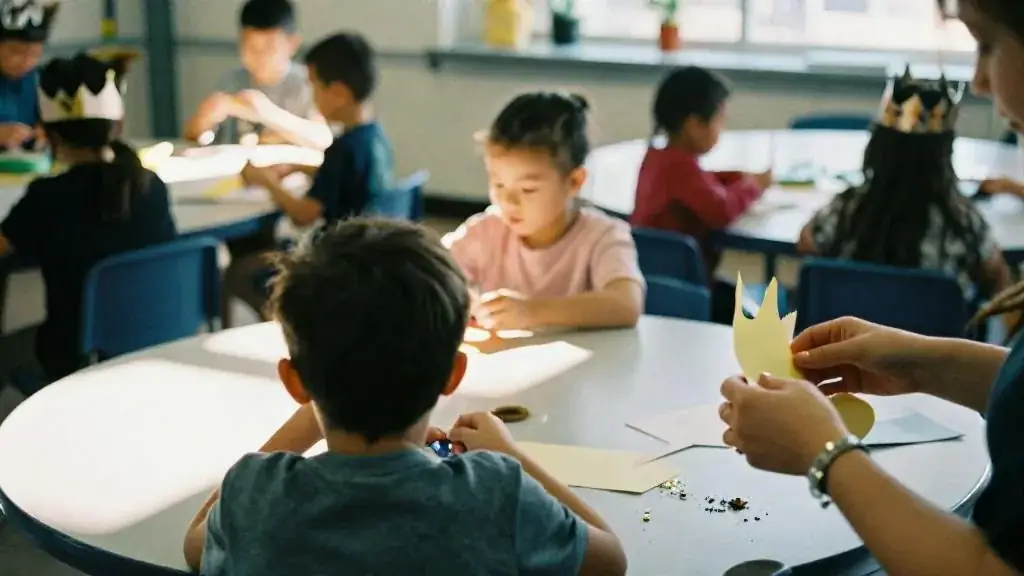
Typical GTA prices, 2026
| Act | Typical GTA range, before HST | Notes |
|---|---|---|
| Children’s magician, 45-minute show | $300–$500 | Often includes a balloon finish; weekend premium common |
| Circus-skills show or workshop, 45–60 minutes | $350–$600 | Workshops need floor space; some bring a mini tightwire |
| Character visit, 30–60 minutes | $150–$350 | Ask what the character does; some sing, some only pose |
| Bubble artist or puppet show, 30 minutes | $250–$400 | Best for ages 1–4 |
| Science, reptile or animal show, 45 minutes | $300–$500 | Check venue rules on animals |
| Face painter or balloon twister, per hour | $125–$200 | About 12–15 faces an hour |
| DJ or game-show host for 9–12s, 2 hours | $400–$900 | Below the adult DJ range ($900–$2,500) because the set-up is smaller |
| Bouncy castle or inflatable, day | $200–$450 | Operator insurance; venue or park permission |
Vetting a children’s entertainer
A performer at a kids’ party is an adult stranger in a room with your child and twenty others. Professionals expect to be asked for the following and are suspicious of clients who do not ask.
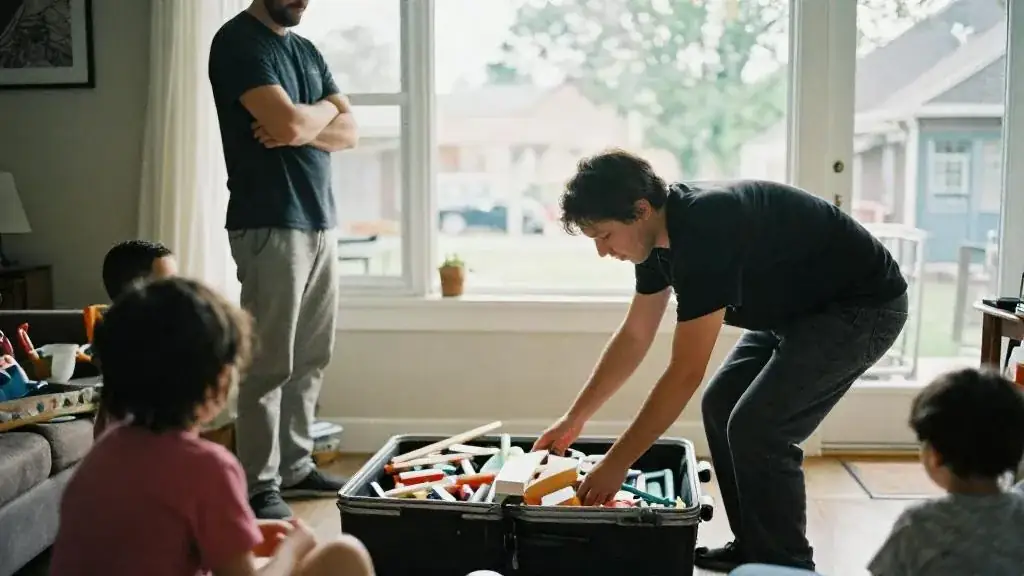
- A recent police record check. Ask for a vulnerable sector check where the performer works regularly with children; that is the level schools and daycares ask for. A private party hire is not legally required to have one, which is exactly why you should ask. A performer who says “I have never been asked” is telling you something about their other clients.
- Liability insurance. Working professionals carry it; venues often require a certificate. Ask for the certificate, not the assurance.
- References from a school, a library or a venue, not only from parents. Institutions ask harder questions.
- A parent in the room at all times. No professional minds; most require it. The entertainer is never alone with children, never takes a child to the washroom, never leaves with a child.
- An age-specific show. Ask what the act does for the exact age. A show that “works for 3 to 12” works for nobody in particular.
- A written confirmation with date, arrival time, show time, length, fee, HST, deposit and cancellation terms. The vendor contact sheet keeps the details with the rest of the party.
Finding one
The Directory lists children’s entertainers across the GTA by act type and area. A few listings are owned by the site’s founder; they carry a visible disclosure and receive no ranking preference. The Encyclopedia explains the formats: close-up magic, strolling act, and the difference between a children’s show and a family show, which matters when grandparents are in the room.
Maya’s 6th
Eighteen kids, Sunday 1–3 p.m., an Etobicoke community centre room, $900. The magician was booked at $375 for a 45-minute show with a balloon finish, arrived at 1:15, started at 1:45 after a game had gathered the room, made Maya the assistant for the last trick, and had every child holding a balloon animal by 2:30 while the pizza came out. The parents’ notes: the police check and insurance certificate arrived by email the same day they were requested; the performer asked for the room layout in advance and for a parent to sit at the front; and the show was the only 45 minutes of the party where nobody cried.
Related guides, venues and vendors
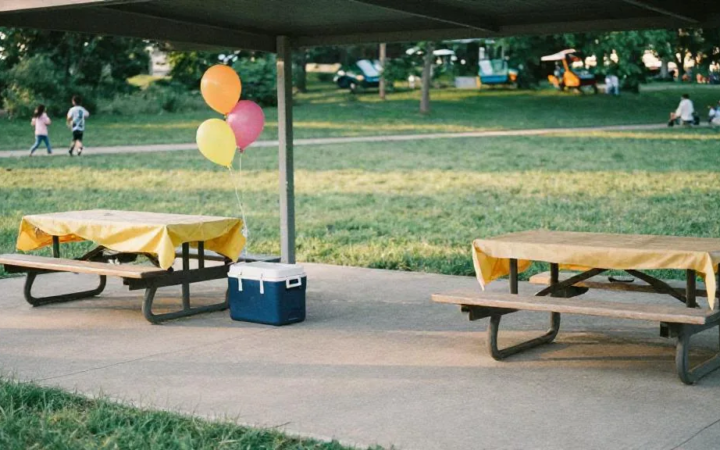
Kids’ party venue guide
Kids’ Birthdays
Where to hold a kids' birthday party in Toronto and the GTA: community centres, play cafés, activity venues, parks and home, by…
Read more
Kids’ party planning timeline
Kids’ Birthdays
Eight weeks out to the day after: what to book when for a kids' birthday party in the GTA, by age.
Read more
Kids’ party etiquette & FAQs
Kids’ Birthdays
The questions GTA parents ask about kids' birthday parties: whole-class invitations, siblings, drop-off ages, gifts, allergies, posting photos, tipping entertainers and what…
Read more